This California Metro Area Ranks Worst In America For Year-Round Fine Particle Air Pollution
Seven years in a row. That’s how long one metro area has held the title for the worst year-round particle pollution in the whole country.
The culprit is fine particle pollution, made up of particles many times smaller than the width of a human hair. It slips deep into the lungs and can even reach the bloodstream.
This corner of California sits in a natural bowl between two mountain ranges.
Trucks, tractors, oil fields, and wildfire smoke all add to the haze. Then the mountains hold it all in place like a lid on a pot.
But a bad ranking isn’t the whole story.
New trees are going into the ground, sensors are tracking pollution, and local communities are working toward a future where checking the air quality doesn’t have to be part of the morning routine.
A Seven-Year Losing Streak Nobody Wanted To Win
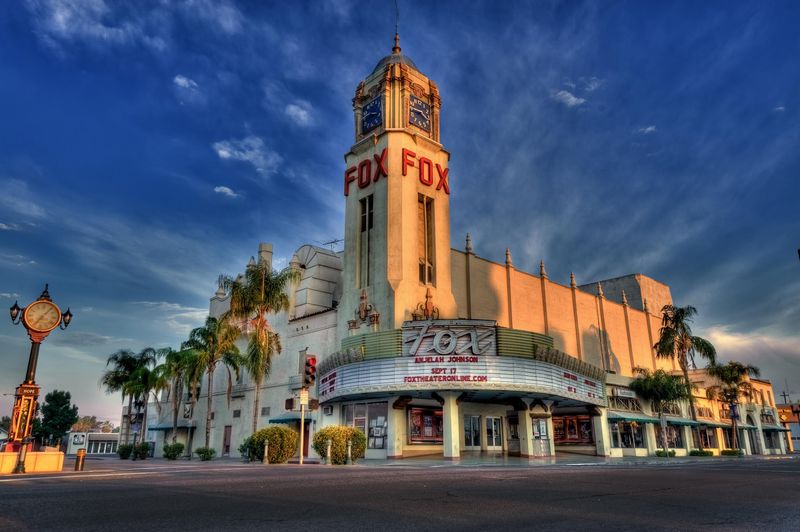
Some streaks deserve a trophy. The Bakersfield-Delano Metropolitan Area in Kern County has a streak that deserves an air purifier instead.
According to the American Lung Association’s State of the Air reports, this region has ranked worst in the nation for year-round particle pollution for seven straight years.
That includes the 2025 and 2026 reports, which looked at data from 2021 through 2024.
The bad news doesn’t stop with one category. The area also ranks third worst for high ozone days among all U.S. metro areas. It lands third worst for short-term, 24-hour particle pollution too.
So the air struggles on ordinary days and on extra-bad days. That’s a tough combo for any community. It means the problem isn’t a fluke or a single rough summer.
Year-round pollution measures the steady, everyday level of particles in the air. Think of it as the baseline you breathe while walking to school or mowing the lawn.
Short spikes matter, but this long-term level shapes health over years.
California has plenty of famous places. Few people expect this one to top a national list like this. Knowing the ranking is the first step toward changing it.
Meet The Tiny Troublemaker Called PM2.5
Scientists gave the villain a name that sounds like a robot. PM2.5 stands for particulate matter that measures 2.5 micrometers across or smaller.
How small is that? Roughly one-twentieth the width of a single human hair. You could line up a crowd of these specks across one strand and still have room left over.
It floats in the air without you noticing. You usually can’t see a single particle, even when the sky looks fine.
Size is exactly what makes it sneaky. Bigger dust gets caught in your nose or throat. These tiny bits slip past those defenses and travel deep into the lungs.
Some can even pass into the bloodstream. From there, they can affect much more than breathing. That’s why doctors and air experts watch PM2.5 so closely.
Here’s a useful habit for anyone living in the region. Check the daily air quality reading the same way you’d check the weather.
On bad days, plan outdoor activities for later or move them inside. Small choices like that can really add up over time.
Blame The Mountains For Putting A Lid On Things
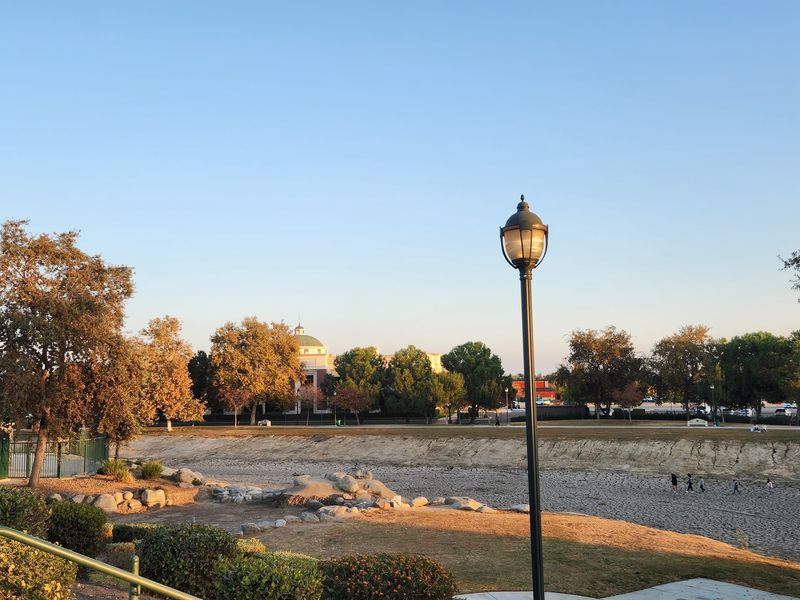
Geography plays a sneaky role in this story. The metro area sits in the southern end of California’s Central Valley, inside the San Joaquin Valley.
To the east rise the Sierra Nevada mountains. To the west stand the California Coast Ranges. Together they form a giant bowl around the valley floor.
A bowl is great for soup. It’s not so great for air.
Pollution drifts in and has trouble finding a way out.
Weather makes things even trickier. Inversion layers often form over the region. That happens when a layer of warmer air sits on top of cooler air near the ground.
The warm layer acts like a lid. Dry, dirty air gets trapped underneath and just hangs around. Without strong winds to clear it, the soot keeps building.
This is why the ranking isn’t only about how much pollution people create. The land itself holds on to it. A city with the same traffic but open coastline might score far better.
Understanding the bowl helps explain the haze. It also shows why cutting local pollution matters so much here.
Big Rigs, Highways, And A Whole Lot Of Diesel
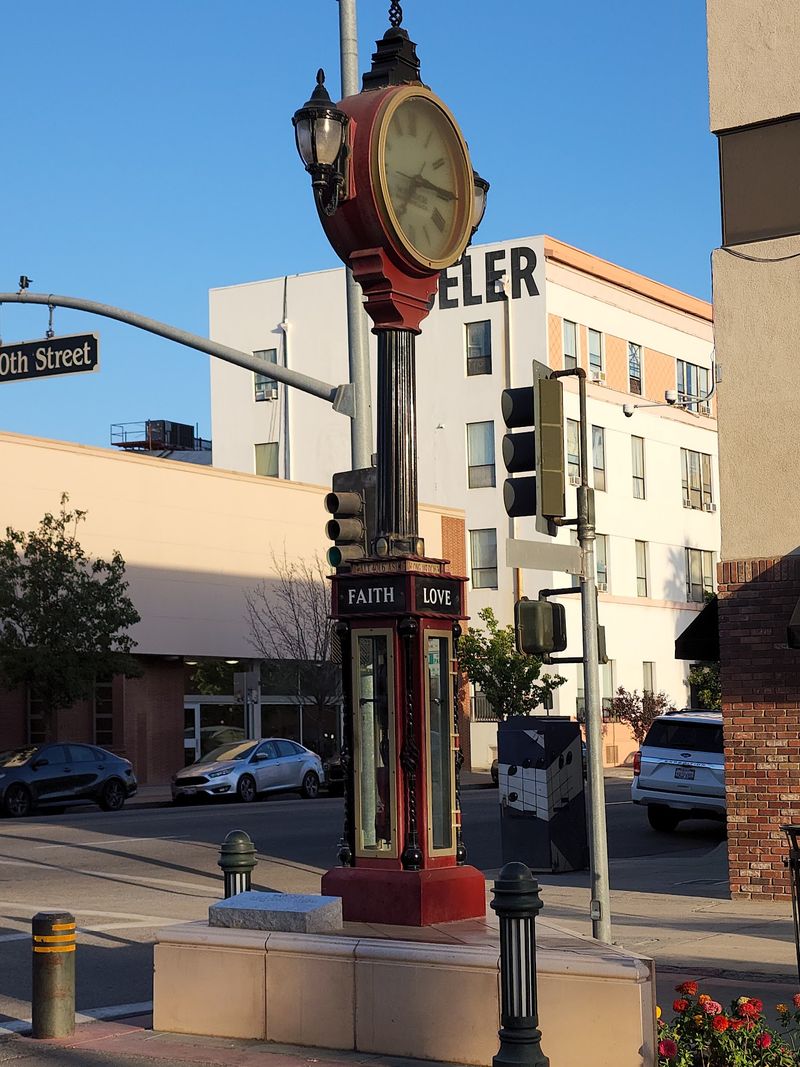
Two major roads carry a huge share of the load. Interstate 5 and Highway 99 both run through the region, moving goods up and down California.
Many of those goods ride in diesel trucks. Heavy truck traffic is one of the biggest sources of fine particles in the area. Each engine adds a little more soot to the valley bowl.
Now add everyday cars, delivery vans, and commuters. The traffic picture gets busy fast. All that exhaust has nowhere easy to escape.
Local planners have noticed. New industrial projects, like the Bakersfield Gateway development, include steps to cut pollution.
These include limiting truck idling and offering electrical hookups for refrigerated trucks.
Despite these pollution-control measures, the Bakersfield Gateway development is expected to increase local particulate pollution and greenhouse gas emissions.
Drivers can help in simple ways. Keeping a vehicle well maintained reduces extra emissions.
Combining errands into one trip cuts miles. Riding public transit when possible lightens the load on the roads and on everyone’s lungs.
Farms And Oil Fields Share The Spotlight
Kern County is famous for two big industries. One grows food, and the other pumps oil. Both add to the air problem.
Agriculture brings diesel-burning tractors and irrigation pumps. Pesticide spraying and fertilizers also release emissions. Those sources spread across wide stretches of farmland.
Then there’s the energy side. Oil and gas extraction, refineries, and factories all operate in the region.
Experts have described the area as an unlucky meeting point of many pollution sources. That phrase fits well. Any one of these industries alone might not top a national list.
Stack them together inside a mountain bowl, and the numbers climb.
These industries also provide jobs and products people depend on. That makes the challenge complicated.
The goal is cleaner equipment and smarter practices, not simply shutting everything down.
Newer tractors and pumps can burn cleaner than older ones. Electric options are growing too. Each upgrade chips away at the soot.
For families nearby, staying informed helps. Knowing when farm or industrial activity is heavy can guide choices about outdoor time on hazy days.
Smoke From Fireplaces And Wildfires Joins The Party
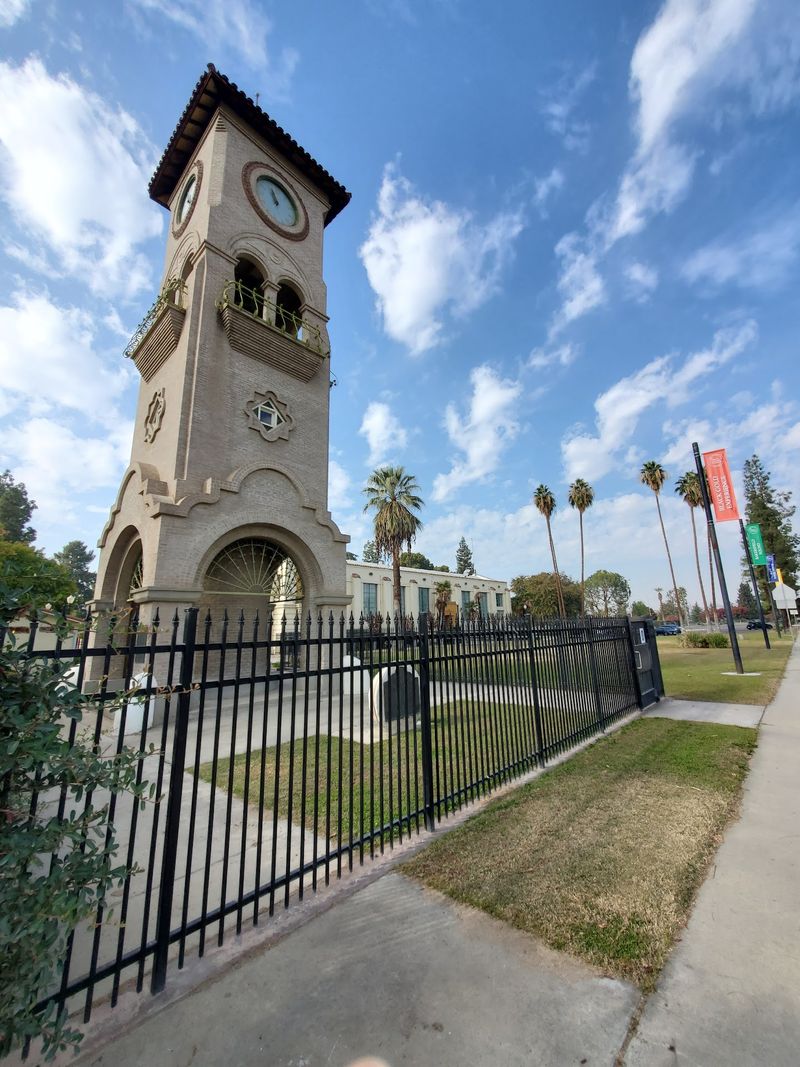
Cozy fires come with a cost. Wood-burning stoves and fireplaces release fine particles right into neighborhood air.
On a cold winter night, many homes may light up at once. With an inversion layer overhead, that smoke lingers close to the ground.
It’s one reason the air district added new restrictions on wood burning.
Wildfire smoke is an even bigger player. California fires can send thick plumes across hundreds of miles. When that smoke settles into the valley, particle levels jump.
The sky may turn orange or gray. The sun can look like a dull coin. Check local air quality alerts to determine when to limit outdoor activities, even if the sky looks clear.
Residents have options for cleaner habits. Switching to propane for barbecues is one suggestion from local guidance.
Electric lawn equipment helps too, since gas mowers and blowers add emissions.
During smoke events, keep windows closed when possible. A good indoor air filter can make a real difference in a bedroom or living room.
Checking daily burn rules before lighting a fireplace is also smart. A little planning keeps your home air fresher and helps the whole neighborhood.
Your Lungs, Heart, And Even Your Brain Notice
Around 70,000 people in the wider metro area have asthma. About 40,000 have cardiovascular disease, and roughly 27,000 live with chronic obstructive pulmonary disease, or COPD.
Those numbers show why this ranking matters. Fine particle pollution is linked to heart attacks, strokes, asthma attacks, and bronchitis.
It also leads to more hospital and emergency room visits.
Kids face special risks. Studies link heavy pollution to slower lung growth in children. Some may reach age 18 with smaller lungs than they would otherwise have.
Long-term exposure brings other concerns. It’s tied to worsening COPD and lung cancer. Research also connects it to a higher risk of Alzheimer’s disease.
Pregnant people face added risks as well. Particle pollution is linked to preterm birth and low birth weight.
Communities of color are hit harder by poor air quality. That makes fairness part of the conversation too.
Practical steps help. Keep inhalers handy and follow doctor plans.
Watch air alerts before sports practice. Talking with a doctor about local air conditions is always a smart move for anyone with breathing or heart concerns.
Southeast Bakersfield Is Planting A Greener Future

Twenty-two million dollars can buy a lot of trees. Bakersfield received that grant from California’s Transformative Climate Communities program.
The money funds an initiative called Southeast Strong. It focuses on southeast Bakersfield, a part of the city that needs cleaner air badly.
The plan mixes big ideas with everyday improvements. Community gardens give neighbors fresh food and green space. Solar installations cut the need for polluting power.
Tree planting is another key piece. Trees offer shade on hot valley days. They also make streets more pleasant for walking.
Speaking of walking, sidewalks and bike lanes are getting upgrades too. Safer routes make it easier to leave the car at home. Fewer short car trips mean less exhaust in the neighborhood.
I like how this approach treats air quality as a community project. It’s not just rules from far away. It’s gardens, shade, and safer streets people can actually use.
Residents anywhere in Kern County can borrow these ideas. Planting a tree in your yard helps.
So does biking to a nearby store. Small green choices stack up into something bigger.
Sensors, Meetings, And Rules Are Changing The Game
Block-by-block air data sounds like science fiction. In North Bakersfield, it’s happening through the California Statewide Mobile Monitoring Initiative.
The project is a partnership with Aclima and the California Air Resources Board. Advanced sensors collect detailed readings street by street.
Residents get clearer information, and leaders get better guidance on where to act.
Bigger agencies are involved too. The U.S. Environmental Protection Agency supports California’s efforts with rules, clean-vehicle programs, and enforcement.
Together, these steps aim to push PM2.5 levels down over time.
Locally, the San Joaquin Valley Air Pollution Control District leads the charge. Its plans include the new wood-burning limits.
The district’s Southern Region office sits at 34946 Flyover Court, Bakersfield, CA 93308.
Want a voice in the process? The district holds monthly public meetings. These include its Governing Board, Citizens’ Advisory Committee, and Environmental Justice Advisory Group.
Showing up matters more than many people think. Questions from residents help shape real decisions.
A seven-year streak won’t break overnight. With data, rules, and neighbors paying attention, the Bakersfield-Delano Metropolitan Area has a real shot at writing a cleaner next chapter.