About 3,300 People Live In This Idaho Prairie Town Where Grain Elevators Tower Over Main Street
A full-size Columbian mammoth stands in a city park here, and it has a real local backstory. Its relatives turned up in a nearby lake bed in 1994.
That alone would earn this Idaho town a spot on my list. Then you add a rodeo that dates back to 1912 and a ski hill run by the city itself.
I like how the skyline sets the tone before you even park. Grain elevators rise above the rooftops, and wheat fields roll out in every direction.
I believe small towns tell the best stories when farming, history, and mountains all crowd onto one map. This one does exactly that.
So how does a farm town end up with a mammoth for a mascot?
A Prairie Town Perched Above The Canyons
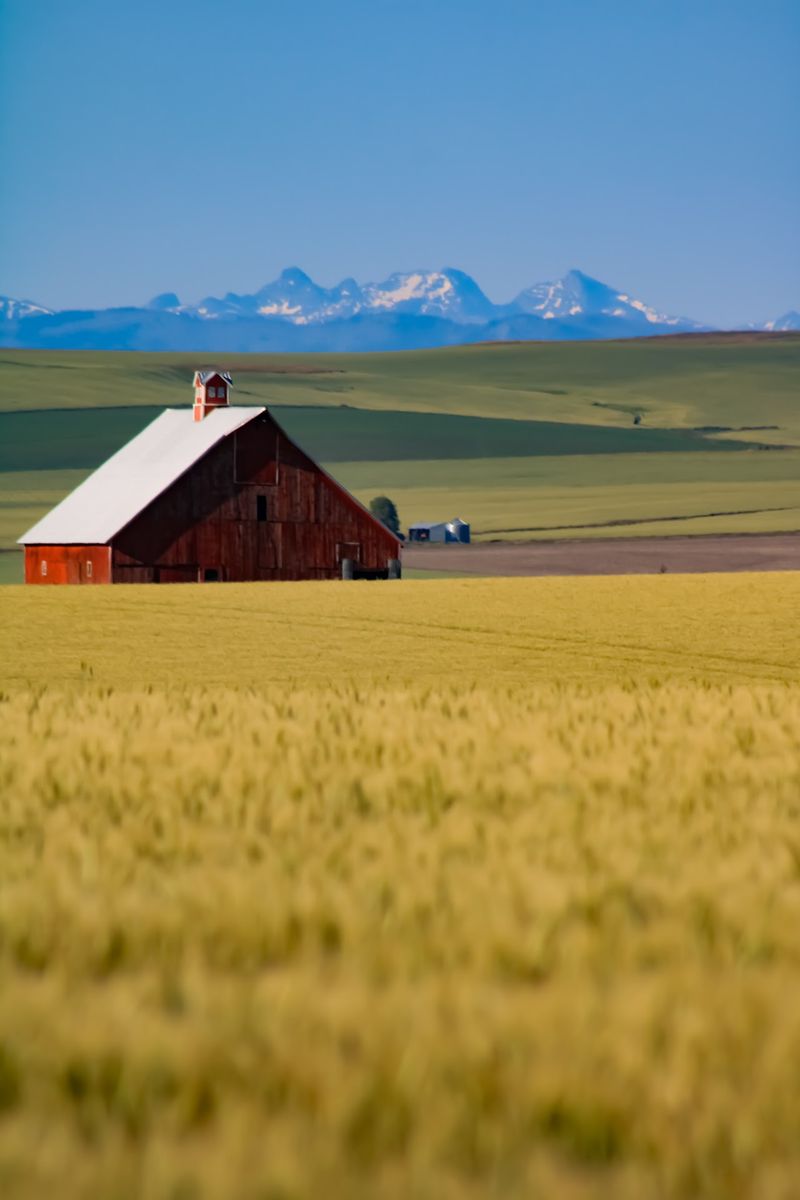
Grangeville sits right on the edge of the Camas Prairie in north central Idaho. It’s the largest city in Idaho County and also serves as the county seat.
That’s a bigger deal than it sounds. Idaho County stretches across a huge chunk of the state, reaching from prairie farmland deep into rugged backcountry.
The town counted 3,308 residents at the 2020 census. That’s up from 3,141 in 2010, so the place is growing at a steady, unhurried pace.
U.S. Highway 95 runs past town, linking it with Lewiston to the north and the Salmon River country to the south.
Most travelers on that route have rolled through at least once.
The setting does a lot of the talking. Flat, open farmland spreads out around town, while forested mountains and deep canyons wait just beyond the horizon.
I like that combination of wide-open prairie and wild country so close together. Few Idaho towns get to claim both views from the same Main Street.
Think of it as a farm town with a backstage pass to the mountains. That mix shapes nearly everything you’ll find here.
The Farm Hall Hiding Inside The Town Name
Farmers named this town, and they did it on purpose. The name comes from a Grange hall built here in 1874 by the Patrons of Husbandry.
The Grange was a national farmers’ organization. Members gathered to share know-how, socialize, and push for fair treatment from railroads and grain buyers.
So the hall became the anchor, and the settlement grew up around it. Grange plus ville, and there you have it.
I can’t imagine a more honest name for a prairie town. It tells you right away who built the place and what mattered to them.
That farming identity never really faded. Over a century later, agriculture still sets the rhythm of life on the surrounding Camas Prairie.
It’s a fun bit of trivia to toss out on a road trip. Most people drive past the city limit sign without realizing the name doubles as a history lesson.
Plenty of Idaho towns carry names from founders, mining claims, or railroad officials. This one carries the name of a meeting hall full of farmers, which feels just right.
How The County Seat Changed Addresses In 1902
Back in the 1800s, Grangeville wasn’t the boss of Idaho County. That title belonged to nearby Mount Idaho, a settlement just a few miles to the southeast.
Things shifted in 1902. The county seat moved to Grangeville, and the town has held onto that role ever since.
That change mattered for a growing prairie community. Courthouse business brought people, paperwork, and steady traffic into town on a regular basis.
Mount Idaho, meanwhile, gradually faded into a much quieter spot. Today it’s mostly a historical footnote that curious drivers look up after passing the sign.
It’s a classic Idaho storyline. One town rises, another slips back, and the map quietly rearranges itself around new roads and new opportunities.
A few years later, the arrival of the railroad would cement Grangeville’s lead even further. More on that shortly, because it’s the reason those tall elevators exist.
For now, just know that this town earned its spot as the county’s hub. It wasn’t handed over by accident, and that history still shows in its role today.
Grain Elevators That Own The Skyline
Skyscrapers? Not here.
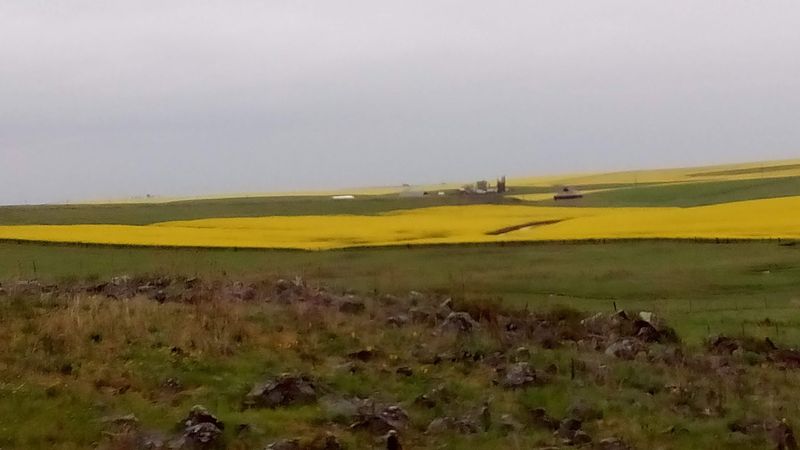
The tallest things around Grangeville are grain elevators, and they’ve been part of the view for generations.
Those towers trace back to the Camas Prairie Railroad. The line reached Grangeville in 1908, giving prairie farmers a way to ship their wheat to bigger markets.
Grangeville became the end of the line on that route. That made it a natural gathering point for grain coming in off surrounding farms.
Elevators followed the tracks, as they did all across the prairie. Each one stored and loaded grain so it could roll out by rail.
Rail service on that stretch has since ended, but the farming hasn’t. The elevators still stand as reminders of how wheat built this town.
I like how they work as a giant compass. Spot them from the highway, and you know exactly where downtown sits.
They also make a great photo subject at sunrise or sunset. The light hits those tall walls, and suddenly a farm building looks like a landmark.
Wheat Country As Far As You Can See
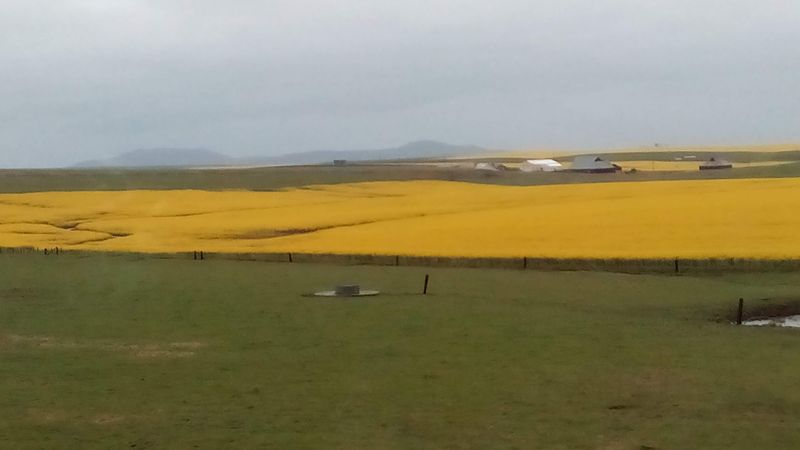
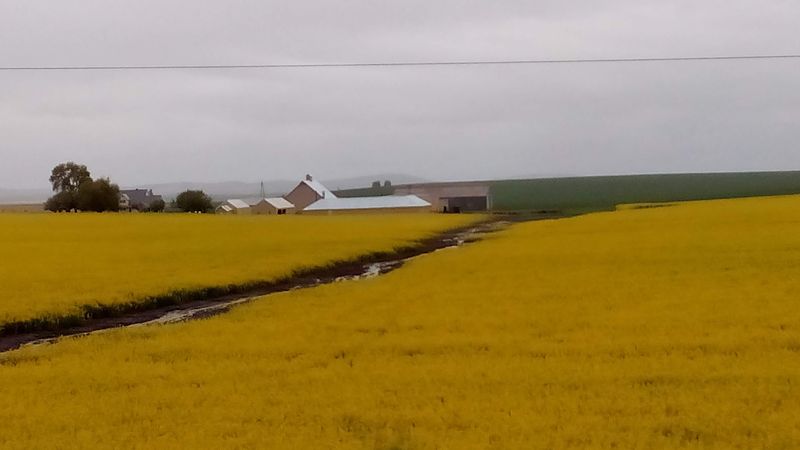
Drive any direction out of town, and the fields take over fast. The Camas Prairie is serious farm country, and Grangeville sits right in the middle of it.
Wheat has long been the headline crop here. The prairie’s farmland is the reason a railroad was built across it in the first place.
The name of the prairie has its own story. Camas is a flowering plant whose bulbs were an important traditional food for the Nez Perce people.
In late spring, camas blooms can tint low, wet ground a soft blue. It’s a lovely reminder that this land fed people long before modern farming arrived.
Summer brings a different palette. Green fields slowly turn gold, and harvest season fills the roads with big farm equipment moving at its own pace.
Give those machines plenty of room on rural roads. Nobody wins a race against a combine, and the farmer has somewhere important to be.
For photographers, the rolling hills make easy work of a good shot. Just pull over safely and enjoy the patchwork view.
Say Hello To The Mammoth In The Park
Kids spot it first, usually with a lot of pointing. A life-size Columbian mammoth replica stands in Eimers Park, right in Grangeville.
It’s a real head-turner. Few towns in Idaho can say a woolly-looking giant greets visitors near the main drag.
The replica isn’t random decoration, either. It celebrates an actual fossil discovery made just outside town in the 1990s.
That connection gives the statue real meaning. It turns a fun photo stop into a small lesson about the Ice Age animals that once roamed the prairie.
I love when a town leans into its quirkiest claim to fame. A mammoth is a pretty great mascot for a place built on big, open spaces.
Plan to stop for a few minutes and grab a picture. It’s the kind of roadside moment that makes a long drive on Highway 95 feel worthwhile.
Bring a snack and stretch your legs while you’re there. A park break with a prehistoric giant beats a gas station parking lot every time.
An Ice Age Surprise At Tolo Lake
In 1994, a routine lake project turned into a fossil hunt. Crews working at Tolo Lake, a few miles west of Grangeville, uncovered mammoth bones in the lakebed.
Scientists and volunteers got involved, and excavation work followed. The find drew attention far beyond the Camas Prairie.
Columbian mammoths were huge plant-eaters that lived during the Ice Age. Finding their remains here helped paint a picture of a very different prairie long ago.
That discovery is the reason for the replica in town. Grangeville took a scientific surprise and made it part of its identity.
Tolo Lake itself is a calm, open spot on the prairie. It’s a simple stop for anyone curious about where the story actually started.
Don’t expect a big visitor center or fossils lying around. The appeal is standing near the site and picturing giants wandering this same ground.
Honestly, that’s a fun thought on a quiet afternoon. A peaceful lake hides one of the wildest backstories in north central Idaho.
Local Stories Under One Roof At The Museum
History fans, here’s your stop. The Bicentennial Historical Museum in Grangeville collects stories from across Idaho County.
Exhibits focus on the people and places that shaped the region. Expect pioneer life, farming, mining, and the early days of the prairie towns.
It’s a great way to put everything else in context. The Grange hall, the county seat move, and the railroad all make more sense after a visit.
Small-town museums often hold surprising treasures donated by local families. That personal touch makes the displays feel close to home.
Opening times can be seasonal and limited, which is common for volunteer-supported museums. Check before driving so you don’t arrive to a locked door.
Give yourself time to read the labels and look closely. The best details are often tucked into old photographs and handwritten notes.
I believe a visit like this makes the rest of the trip richer. Every grain elevator and storefront suddenly carries a little more of its story when you head back outside.
Rodeo Weekend Takes Over Every Fourth Of July
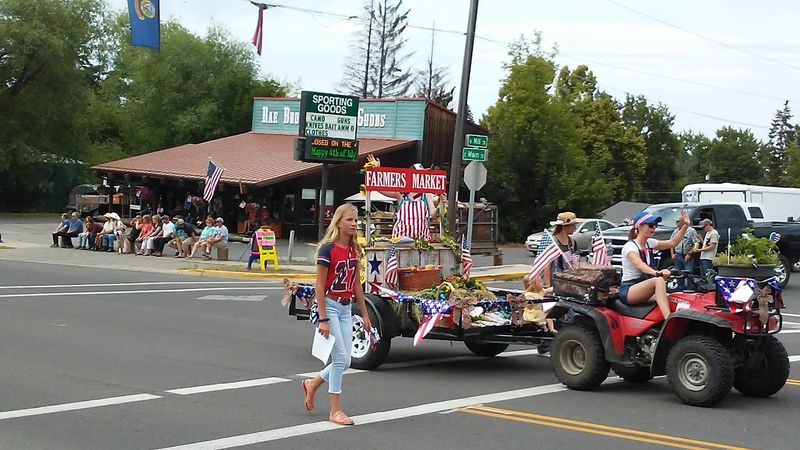
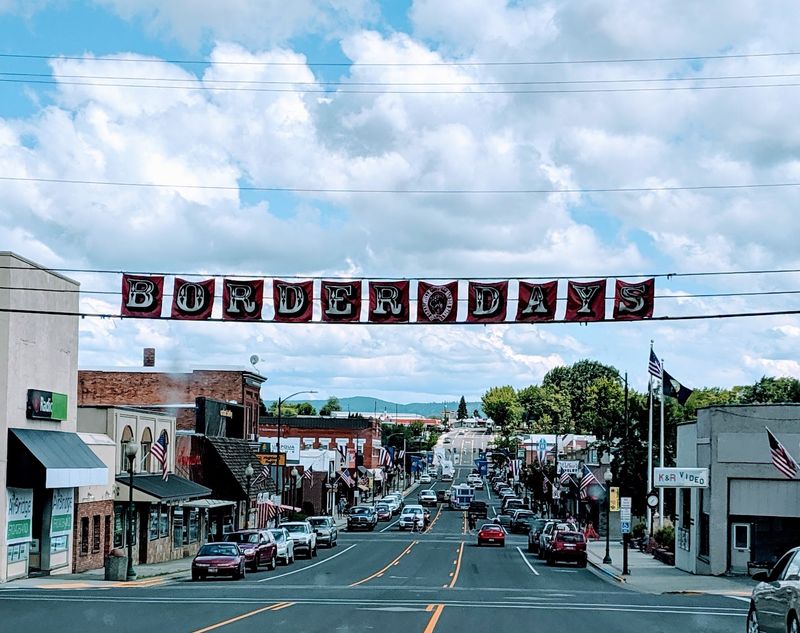
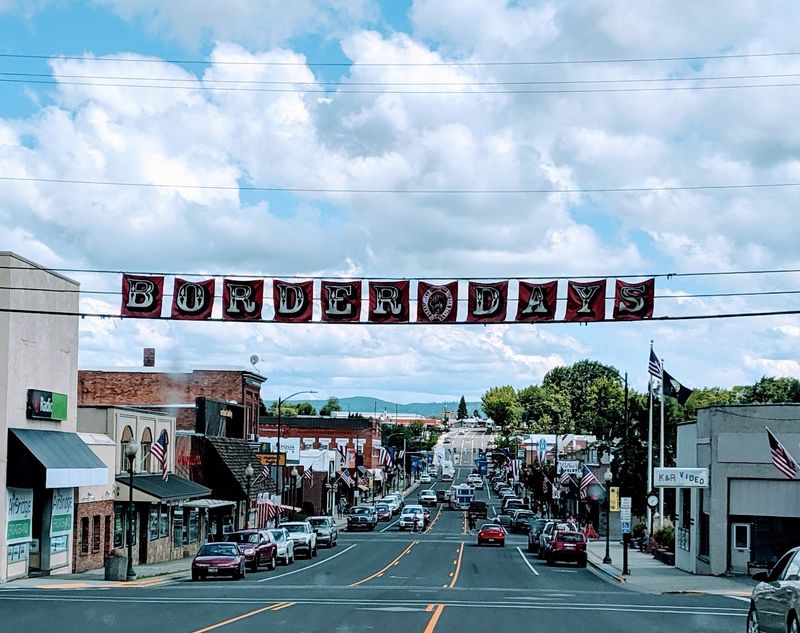
Mark your calendar for early July. Grangeville Border Days fills the Fourth of July weekend with rodeo action and small-town celebration.
The event dates back to 1912. It’s widely billed as the oldest rodeo in Idaho, which gives it serious bragging rights.
Rodeo performances anchor the weekend. Riders, ropers, and livestock bring the kind of energy that pulls the whole county into town.
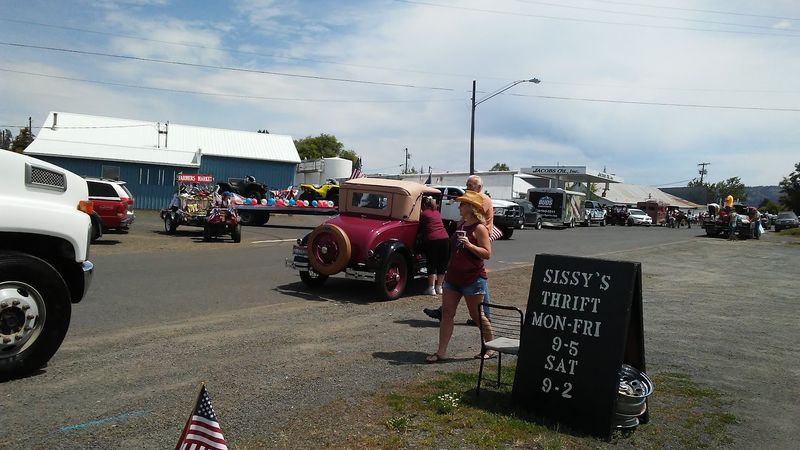
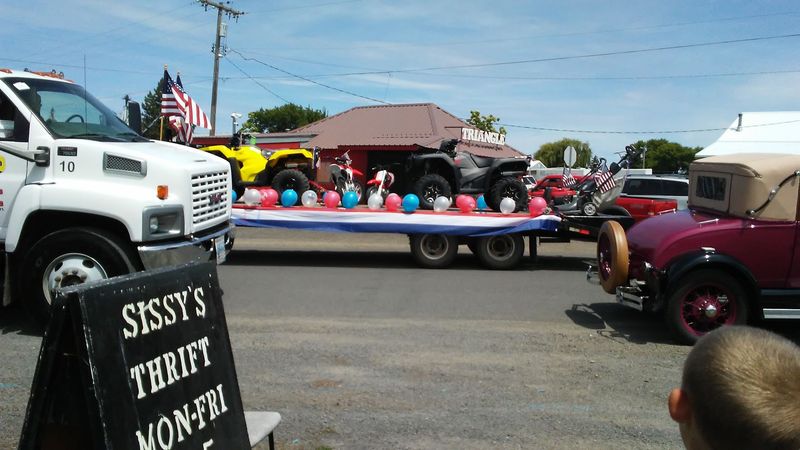
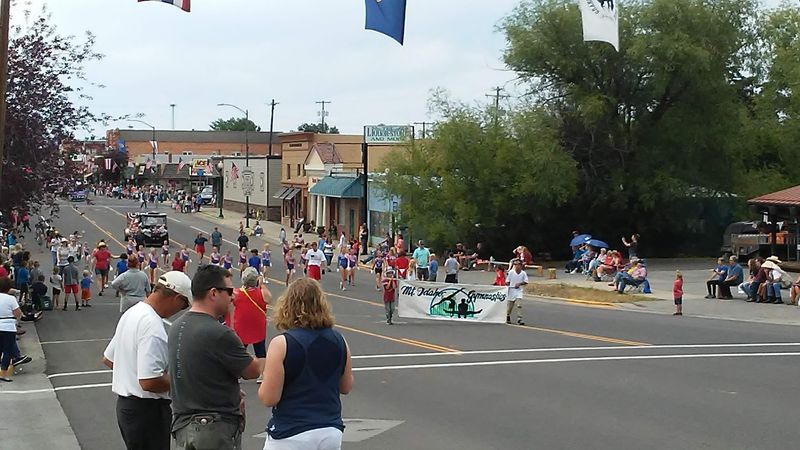
Parades, community activities, and holiday festivities round out the schedule. Downtown gets busier than usual, so plan your parking and lodging early.
This is the town at its liveliest. If you only visit once, Border Days gives you the fullest picture of local pride.
Schedules shift from year to year, so check the current lineup before you go. That way you won’t miss the events you care about most.
Pack sunscreen, a hat, and a little patience for crowds. Summer on the prairie can get warm, and a rodeo grandstand is no place for shade-seekers without a plan.
A Ski Hill With True Hometown Character
Winter doesn’t shut things down here. Snowhaven, a small ski and tubing area just outside Grangeville, keeps families busy when snow arrives.
It’s run by the City of Grangeville. That’s a rare setup, and it gives the hill a true community feel.
Don’t expect a mega resort with fancy lodges and long lift lines. Snowhaven keeps things small, simple, and friendly for beginners and local skiers.
Tubing adds an easy option for anyone who’d rather slide than carve. Kids especially seem built for that kind of winter fun.
Operating days depend on snow conditions and the season. Check before driving, since a small hill relies heavily on what the weather delivers.
Costs tend to be friendlier than the big-name resorts. That makes it a solid pick for budget-minded families looking for a winter day out.
I like that a town of this size keeps its own ski hill going. It says a lot about how much folks here value time outdoors, even in January.
Main Street Life In Grangeville, Idaho 83530
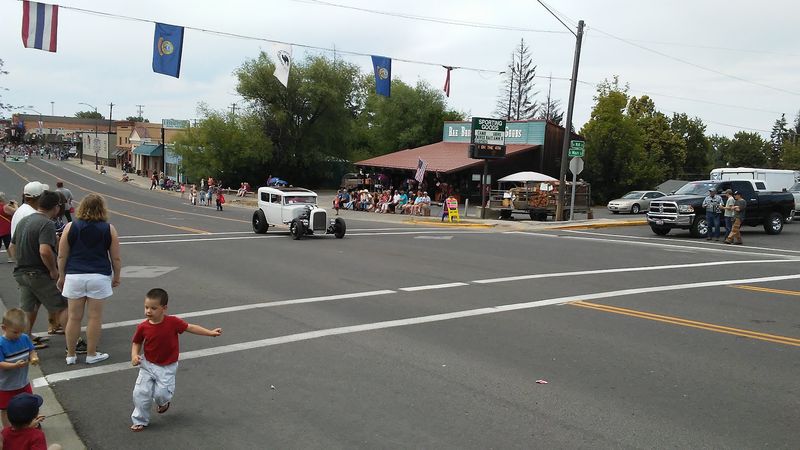
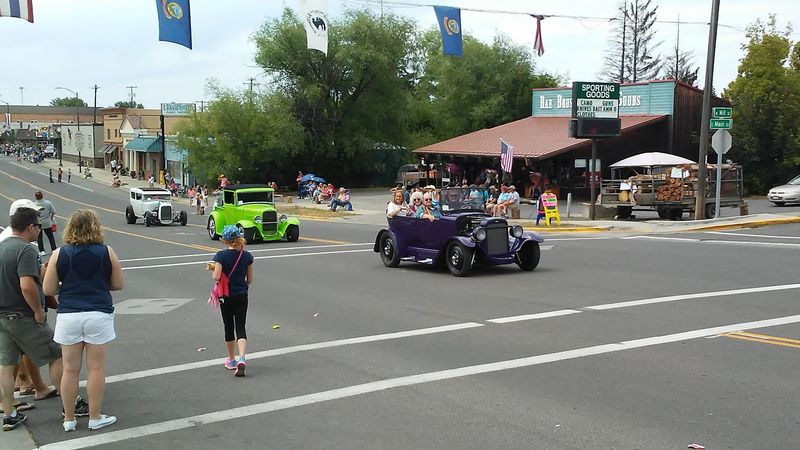
Downtown keeps things refreshingly practical. Main Street in Grangeville, Idaho 83530, mixes local shops, eateries, and services that serve a wide rural area.
Because it’s the county seat, the town draws people from surrounding farms and small communities. Errands, appointments, and supply runs all land here.
That gives downtown a working-town rhythm. It feels lived-in rather than polished for tourists, which is part of the appeal.
Older buildings line portions of the street, hinting at the town’s early twentieth-century growth. Look up now and then for details above the storefronts.
It’s a good place to fuel up before heading into the backcountry. Outfitters, hunters, and river travelers often pass through on their way south.
Take a slow walk and see what catches your eye. Small independent businesses come and go, so the lineup can change over time.
And yes, the elevators peek over the scene. Few Main Streets in Idaho have a backdrop that so clearly explains where the town came from.
Your Launch Point For Salmon River Country
South of town, the prairie suddenly drops away. U.S.
Highway 95 descends White Bird Hill toward the Salmon River canyon, and the views are dramatic.
The modern highway grade replaced an old, twisting road. That older route still survives as a scenic side trip for patient drivers.
The White Bird Battlefield site, part of Nez Perce National Historical Park, sits along this stretch. Interpretive signs share the history of the Nez Perce people and the 1877 conflict.
Keep going, and you reach Salmon River country. Rafting, fishing, and camping draw outdoor fans to this rugged corner of Idaho each summer.
National forest land surrounds the region too. Trails, backroads, and campgrounds give Grangeville a reputation as a handy jumping-off point.
Fill your tank and grab supplies before leaving town. Services get sparse quickly once you head deeper into the canyons.
That contrast is the real treat. In less than an hour, you can swap golden wheat fields for steep canyon walls and rushing water.
Smart Planning Before You Roll Into Town
Getting here is straightforward. Grangeville sits along U.S.
Highway 95, roughly between Lewiston to the north and Riggins to the south.
The drive from Lewiston climbs onto the Camas Prairie and passes small farm towns along the way. Allow time to enjoy the scenery instead of rushing.
Elevation sits a little over 3,300 feet. That means cooler nights and real winters, so pack layers outside of midsummer.
Winter travel on the White Bird grade and prairie roads can turn tricky. Check road conditions before setting out, especially during storms.
Lodging options exist in town, but big event weekends fill up fast. Border Days in July is the prime example, so book ahead.
Museum, ski hill, and seasonal attraction schedules can change. A quick check before driving saves disappointment and wasted gas.
Most outdoor stops, like the mammoth in the park, cost little or nothing to enjoy. That makes Grangeville an easy, budget-friendly day trip for Idaho families.
Why This Prairie Town Deserves A Stop
Some towns are just a place to buy gas. Grangeville gives you a reason to linger a while longer.
You get a name borrowed from a farmers’ hall and a skyline built by wheat. Then you add a mammoth, a historic rodeo, and a city-run ski hill.
That’s a lot of personality for a town of around 3,300 people. Every stop connects back to the land in some way.
I believe that’s what makes it memorable. The farming, the fossils, and the canyon country all tell parts of the same Camas Prairie story.
It works for history buffs, rodeo fans, families, and outdoor adventurers alike. Few small towns in Idaho cover that much ground so naturally.
Next time Highway 95 brings you through, slow down a bit. Visit the museum, say hello to the mammoth, and watch those grain elevators catch the evening light.
You might leave with a new favorite stop on the map. And you’ll definitely know the story behind that tall Main Street skyline.