Nebraska’s Easter Blizzard Of 1873 Caught Homesteaders In The Open And Its Stories Still Get Told
A farmer once found a black and white cow standing in his kitchen after a storm. The cow belonged to a neighbor who lived nine miles away.
That strange visitor came out of the Easter Sunday blizzard of 1873 in Nebraska. It began on April 13 and howled for three days.
Drifts piled 15 to 20 feet deep in some spots. Wind, snow and sleet hid the world.
Many homesteaders had already plowed and planted. They lived in thin shacks, dugouts and sod houses, and the spring had felt gentle.
Few people saw it coming, because the sky had seemed so friendly.
I love how these stories survived through letters and memories passed down. Some are funny, some are tense, and a few are hard to believe.
So how did families ride out three days of white chaos with a horse in a one-room sod house?
1. The Mild Spring That Fooled Everyone
Nebraska weather has pulled some tricks, but the spring of 1873 might be its sneakiest. The winter had been unusually mild, and the early spring felt even kinder.
Farmers trusted that pleasant stretch and got to work. Fields were plowed, and seed was already in the ground by mid-April.
You can understand the mood on those claims. Many homesteaders were brand new to the prairie, and they had no long memory of its moods.
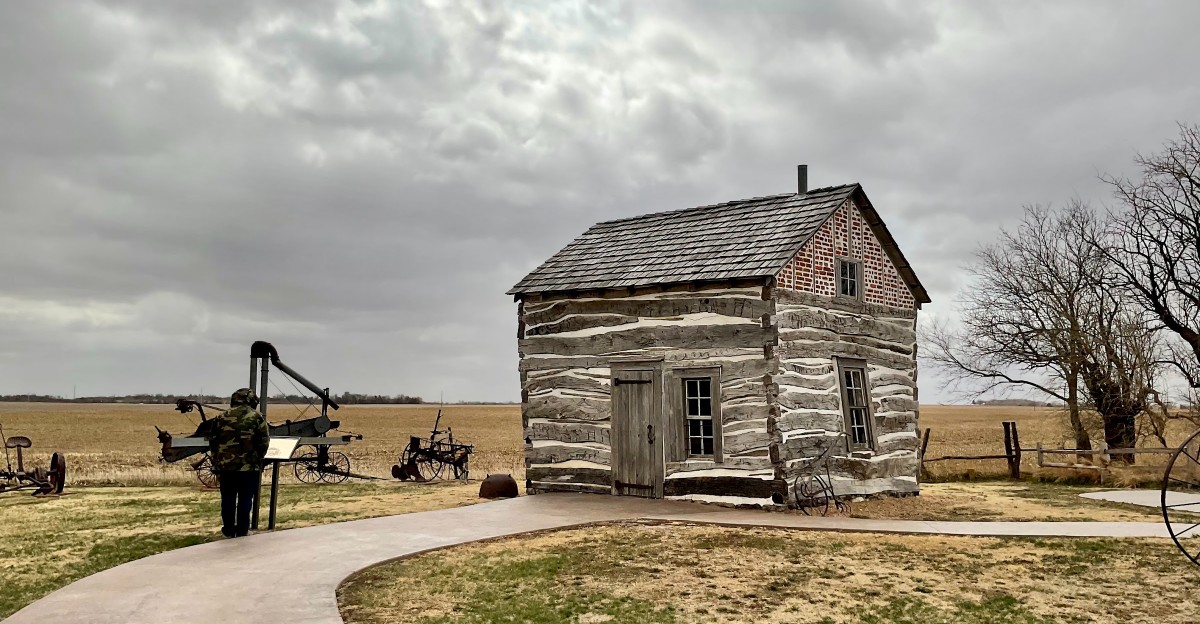
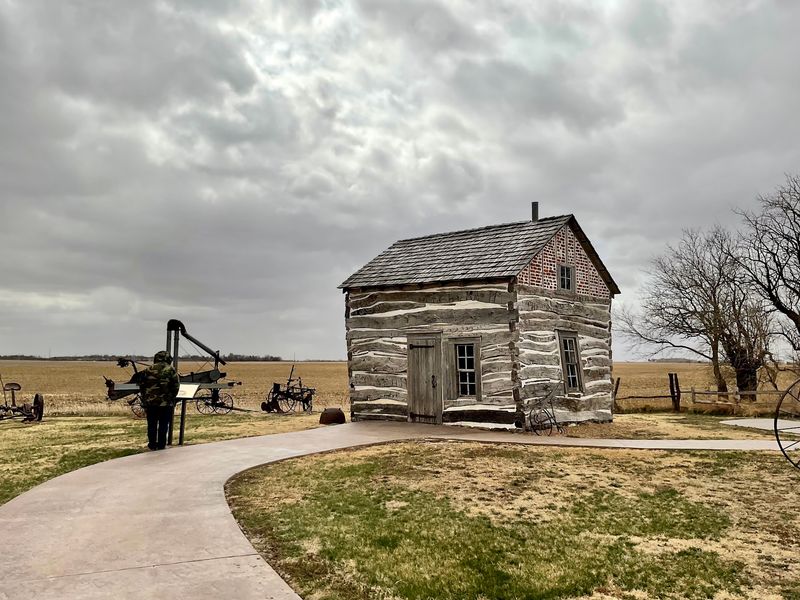
Their homes showed it, too. Plenty of families lived in flimsy shacks, dugouts cut into hillsides, or houses built fast with whatever was handy.
Those walls were fine for a breezy spring afternoon. They were not built for a storm that would roar for three straight days.
Livestock often stayed outside or in thin shelters, since grass was greening and nights felt mild. Hay and fuel supplies were low after a soft winter, because nobody saw a reason to stockpile.
So when Easter Sunday arrived on April 13, families were focused on planting, not survival. The sky was about to teach a hard lesson in a single afternoon.
Keep that calm picture in mind as you read on. The contrast is what makes the rest of these stories land.
2. Three Days Of Roaring Wind
Easter Sunday turned white in a hurry. The storm hit on April 13, 1873, and it didn’t quit until April 16 or 17, depending on which account you read.
High winds drove heavy snow and sleet across the open prairie. Visibility dropped so low that a barn a few yards away could vanish completely.
Snow found its way inside, too. It sifted through cracks in walls and around doors, coating floors and bedding in homes that looked sturdy enough on a sunny day.
Some houses disappeared under drifts entirely. Others lost their roofs when the wind ripped them right off.
Drifts reached 15 to 20 feet deep in certain areas. That’s taller than many of the claim shacks people were sheltering in.
Travelers caught out on the prairie had nowhere to hide. Some were not found until weeks later, after the drifts finally melted.
As many as twenty people in east-central Nebraska lost their lives, and thousands of cattle and other animals were lost across the region. Historians still count it among the most severe storms in the state’s recorded past.
Numbers only tell part of it, though. The personal stories are what keep this storm alive in family memory.
3. Snow In The Vest Pocket

Here’s a detail small enough to fit in a pocket, literally. Mrs. Ada Gray Bemis of York left behind one of the most vivid memories of the storm.
She recalled the blizzard’s frightful roaring voice. That phrase says a lot about what three days of nonstop wind sounded like inside a prairie home.
Her husband stepped outside only briefly during the storm. When he came back in, she found snow packed inside his vest pocket.
Think about how hard the wind had to push for that to happen. A vest pocket is snug against the body, yet the storm still stuffed it full in moments.
Stories like hers show why so many settlers stayed put once the snow began. A quick trip to the woodpile or barn could become a real gamble.
Her memory also gives you a sense of scale you can’t get from weather records. A pocket full of snow is easy to picture, and that makes it easy to share.
York County families still pass along accounts like this one. It’s a reminder that York was a young prairie town in 1873, full of people learning Nebraska the hard way.
4. The Cow In The Kitchen
Of all the storm stories, this one gets the biggest grin. After the blizzard cleared, a farmer found a black and white cow standing in his kitchen.
She had wandered in through an open door. Somewhere in the whiteout, that kitchen must have looked like the best shelter around.
Here’s the twist that makes it legendary. The cow belonged to a neighbor who lived nine miles away.
Nine miles is a long walk for anyone, let alone a cow pushed by gale winds and blowing snow. She drifted across open prairie with no fences or landmarks to stop her.
You have to admire her instincts, honestly. While many cattle were lost in the drifts, this one found a roof and a door.
The story also hints at how the land looked back then. Fences were scarce, so animals could travel huge distances once a storm got them moving.
Returning her must have been quite the conversation between neighbors. It probably took some explaining to prove whose cow had taken over the kitchen.
Nebraska farm families still love telling this one. Any story with a cow indoors tends to stick around.
5. A Horse Inside The Sod House

Roommates come in many shapes, and one homesteader picked a big one. During the storm, a settler brought his horse right into his one-room sod house.
That sounds wild today, but it made perfect sense on the prairie. A horse was transportation, farm labor and a large chunk of a family’s savings.
Losing it could set a homestead back for years. So the horse came inside, mud, size and all.
Sod houses had one big advantage here. Their thick earthen walls held up against wind far better than many thin wooden shacks did.
Still, a one-room home doesn’t leave much space for a full-grown horse. You can picture the family stepping around it for days while the wind screamed outside.
He wasn’t the only one making that choice. Families across the region brought livestock indoors to keep them alive, and they huddled close together for heat.
Stoves needed fuel, and supplies were thin after the mild winter. Shared body heat, even from a horse, mattered more than tidy floors.
It’s a practical, slightly chaotic picture of pioneer life. And it shows how quickly priorities shift when snow piles higher than the doorway.
6. Judge Letton’s Buried Stable
Long before he became a judge, Charles B. Letton was a young settler living near Fairbury.
His account of the storm is one of the most quoted descriptions around.
He described the air as a mass of moving snow. Not falling snow, moving snow, which tells you just how hard the wind was blowing.
When he finally reached his stable, he found something startling. His horses and cattle were buried in snow inside the building.
The drifts had filled the stable so high that the animals’ backs pressed against the flimsy roof. Snow had poured in through every gap it could find.
Picture digging through that to reach your stock. It must have taken real strength and patience, with no idea what he’d find underneath.
His story shows why so many animals were lost that week. Even sheltered livestock weren’t safe when the drifts kept climbing.
Letton went on to a long career in Nebraska law, serving on the state Supreme Court. Yet this spring storm stayed with him enough that he wrote it down.
Fairbury and Jefferson County still count his memory among their prized pioneer accounts. It’s history told by someone who stood right in it.
7. Ropes On The Doors
Sometimes the smartest tool on a homestead was a simple piece of rope. During the storm, some settlers reportedly tied ropes to their doors so they wouldn’t get lost.
That idea came from hard experience. People became disoriented walking short distances between houses and outbuildings, and some never made it back.
A rope gave you a path to follow when your eyes were useless. Hold on, keep moving, and you’d find the door again.
The Easter storm changed how many Nebraska families prepared. More of them learned to stock fuel and feed, and to build sturdier shelter for animals.
Adams County records name a Mr. Marshall as the county’s only known loss, though others went unnamed elsewhere. Sad accounts like a young mother named Kelley’s are still remembered too.
Those memories are why the stories keep getting told. County historical societies and family histories have kept them in circulation for more than 150 years.
Next April, when a warm spell tempts you to pack away the snow shovel, think of 1873. Nebraska springs can still surprise people.
And if you hear a story about a cow in somebody’s kitchen, now you’ll know exactly where it came from.