15 Stunning Places You Wouldn’t Expect To Find In North Carolina
Tucked between rolling mountains and coastal shores lies a collection of landscapes so unexpected they feel almost borrowed from other worlds. Ancient swamps that mirror Louisiana bayous rest just miles from alpine meadows that could pass for Colorado high country.
Hidden waterfalls cascade through gorges carved over millennia while pristine barrier islands stretch untouched along the Atlantic. North Carolina hides natural wonders in plain sight.
From sand dunes that rival desert landscapes to wilderness areas so remote they remain largely unexplored, the state reveals surprises around every bend. Many of these stunning places remain unknown even to longtime residents, tucked away in quiet corners where nature still holds the upper hand.
The diversity feels almost impossible for a single state, yet each destination offers proof that extraordinary beauty doesn’t always announce itself with fanfare.
1. McGalliard Falls, Valdese
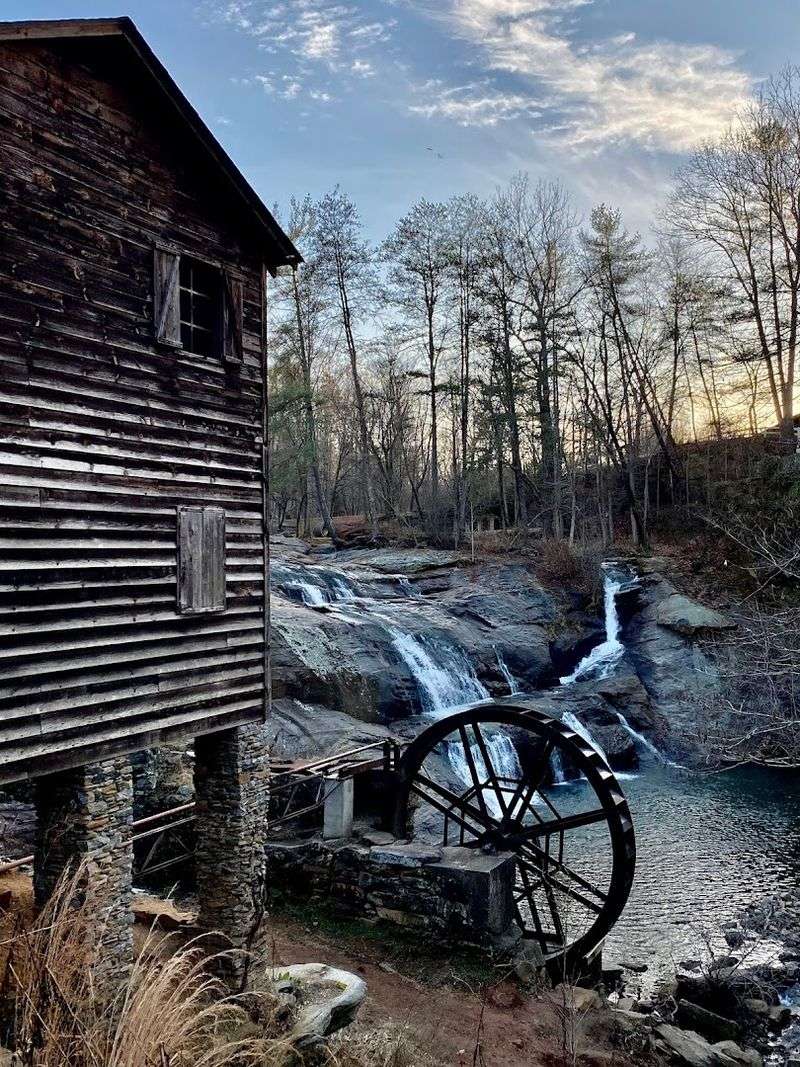
McGalliard Falls, at Church St NW, Valdese, drops forty feet into a clear pool surrounded by moss-covered boulders and towering hemlocks. The waterfall sits just outside Valdese, accessible via a short but steep trail that winds through dense woodland.
Most visitors arrive on weekday mornings when the path remains quiet and the light filters through the canopy in soft beams. The sound of rushing water grows louder as the trail descends, and the temperature drops noticeably near the base of the falls.
During spring runoff, the cascade widens considerably, sending mist across the viewing area and creating rainbows in the afternoon sun. Summer months bring lower water levels but also easier footing on the rocks near the pool.
The trail can become slippery after rain, so sturdy footwear helps maintain balance on the descent. Fall colors reflect beautifully in the water, while winter occasionally freezes portions of the cascade into dramatic ice formations that glisten in the cold air.
2. Rainbow Falls, Brevard
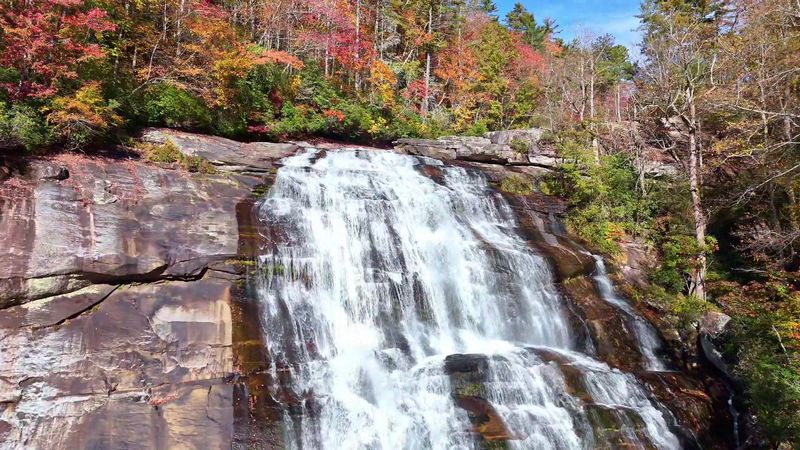
Rainbow Falls earns its name from the prismatic light show that appears in its mist on sunny afternoons. Located along the Horsepasture River in Pisgah National Forest, the falls drop about 200 feet in a series of cascades that create multiple viewing opportunities.
The hike to Rainbow Falls follows a moderately challenging trail that crosses streams and climbs through rhododendron thickets. Hikers typically need between one and two hours to reach the falls, depending on pace and photo stops along the way.
The best time to catch the rainbow effect happens between noon and early afternoon when the sun angle aligns perfectly with the spray. Water volume peaks during spring, making the falls more dramatic but also louder and mistier.
The surrounding forest provides shade for most of the hike, though the final approach opens up to reveal the full height of the cascade against a backdrop of ancient rock.
3. Douglas Falls, Barnardsville
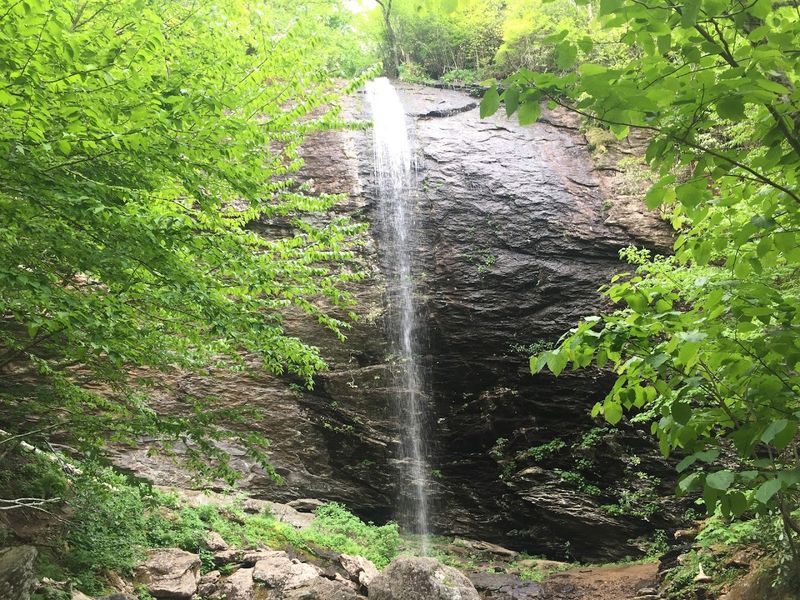
Douglas Falls, at State Rd 2173, Barnardsville, plunges seventy feet down a sheer rock face into a pool that stays cold even in midsummer. The waterfall sits within a small preserve accessed by a trail that begins near a residential area but quickly transitions into wilderness.
Reaching the falls requires about a mile of hiking through mixed hardwood forest, with the final section descending steeply toward the creek. The trail can be muddy during wet periods, and exposed roots require attention on the steeper portions.
At the base, flat rocks provide seating areas where visitors often pause to enjoy the view and the cooling effect of the spray. The falls maintain a steady flow year-round thanks to a reliable watershed, though spring brings the most impressive volume.
Afternoon light penetrates the canopy and illuminates the falling water, creating shifting patterns on the surrounding stone. The relatively short distance makes Douglas Falls popular with families, though the steep sections mean young children may need assistance.
4. Cedarock Park, Burlington
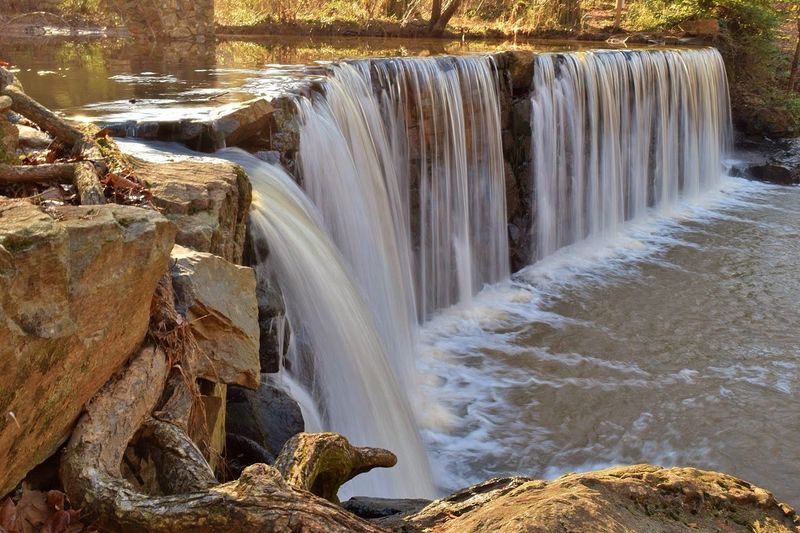
Cedarock Park is located at 4242 R Dean Coleman Rd, Burlington, and sprawls across more than 400 acres of preserved farmland, offering a rare glimpse into rural Piedmont life as it existed generations ago. The park maintains several historic structures, including a working grist mill and restored farm buildings that date back over a century.
Visitors can explore miles of trails that wind through fields, forests, and along creek banks where wildlife sightings happen regularly. The trail system accommodates various skill levels, from flat meadow paths suitable for strollers to more challenging woodland routes with gentle elevation changes.
The park’s fishing pond attracts anglers throughout the year, while the picnic areas near the historic buildings provide shaded spots for lunch breaks. Spring brings wildflowers to the meadows, and fall transforms the hardwood groves into displays of red and gold.
The park remains open during daylight hours, and the lack of entrance fees makes it accessible for repeated visits throughout the seasons.
5. Wayah Bald, Franklin
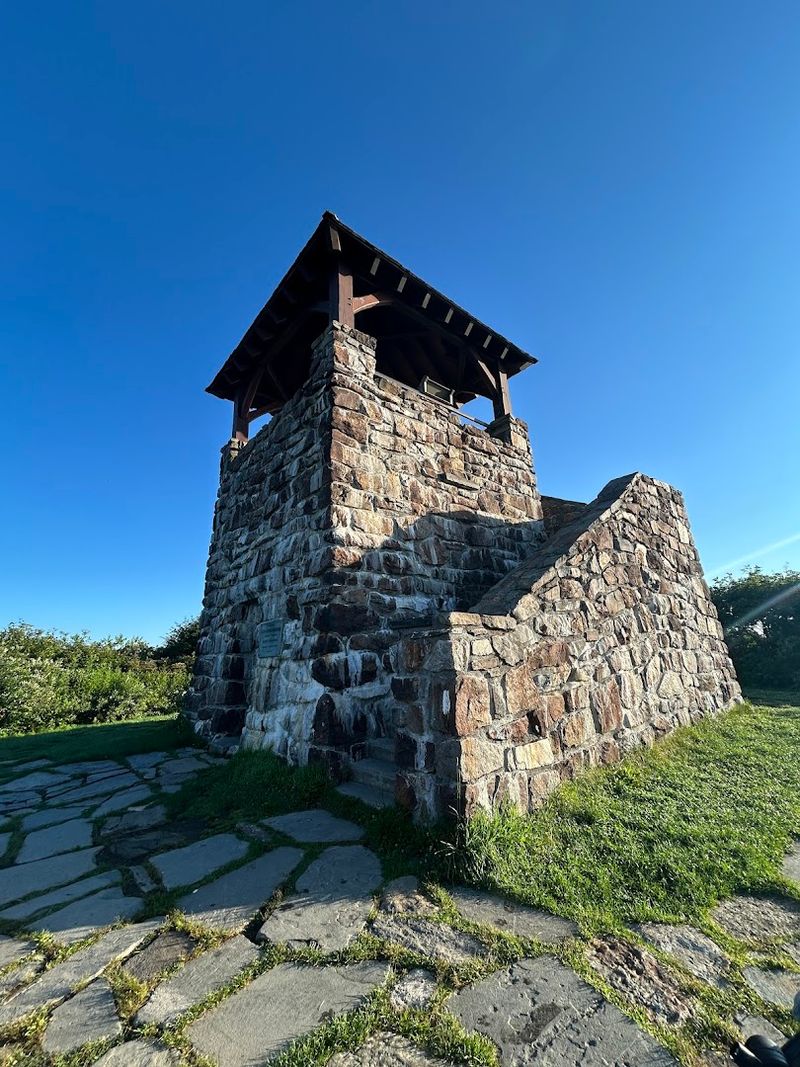
Located at 4419 Wayah Bald Rd, Franklin, Wayah Bald rises to 5,342 feet, offering 360-degree views from a stone observation tower built by the Civilian Conservation Corps in the 1930s. The summit sits along the Appalachian Trail, making it a popular stop for through-hikers and day visitors alike.
A paved road leads almost to the top, with a short walk remaining to reach the tower. The structure itself stands as a testament to Depression-era craftsmanship, with carefully fitted stones forming walls that have weathered decades of mountain weather.
From the tower platform, views extend across multiple mountain ranges, with peaks visible in Tennessee, Georgia, and North Carolina on clear days. Early morning visits often place observers above the clouds, creating an otherworldly landscape of white valleys and isolated summits.
The bald maintains its open character through periodic clearing, preserving sight lines that would otherwise be lost to encroaching forest. Sunset transforms the western horizon into layers of purple and gold that fade gradually into darkness.
6. Shackleford Banks, Cape Lookout
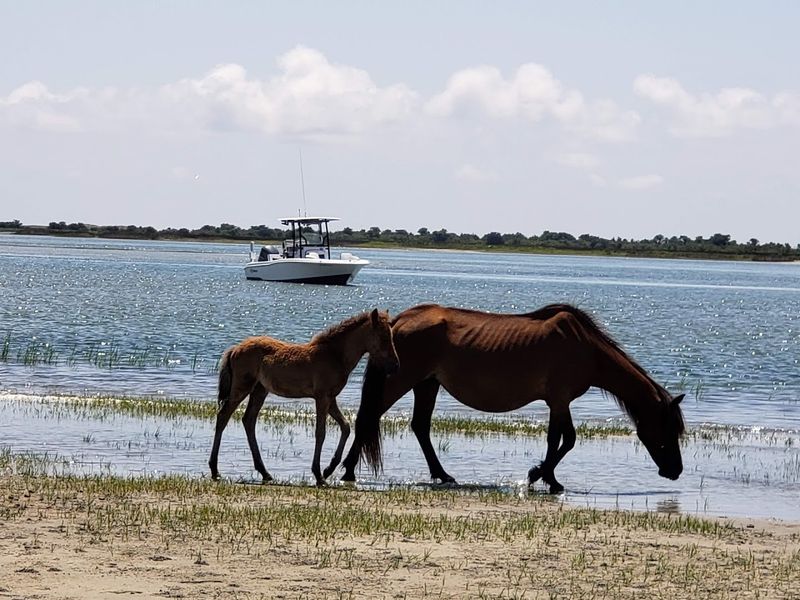
Shackleford Banks stretches nine miles along the Atlantic, accessible only by passenger ferry or private boat. The barrier island remains undeveloped, its beaches and dunes home to a herd of wild horses descended from colonial-era stock.
Visitors arrive via ferry from several mainland departure points, with the crossing taking about twenty minutes depending on conditions. Once on the island, miles of empty beach extend in both directions, interrupted only by occasional shells and driftwood.
The horses roam freely, grazing on dune grasses and beach vegetation while remaining surprisingly tolerant of human presence from a respectful distance. Park regulations require maintaining at least fifty feet from the animals, a rule that protects both horses and visitors.
Swimming conditions vary with weather and tide, and the lack of lifeguards means swimmers assume full responsibility for safety. Shell collectors find abundant specimens along the tide line, while birdwatchers spot numerous species in the dunes and maritime forest.
7. Merchants Millpond State Park, Gatesville
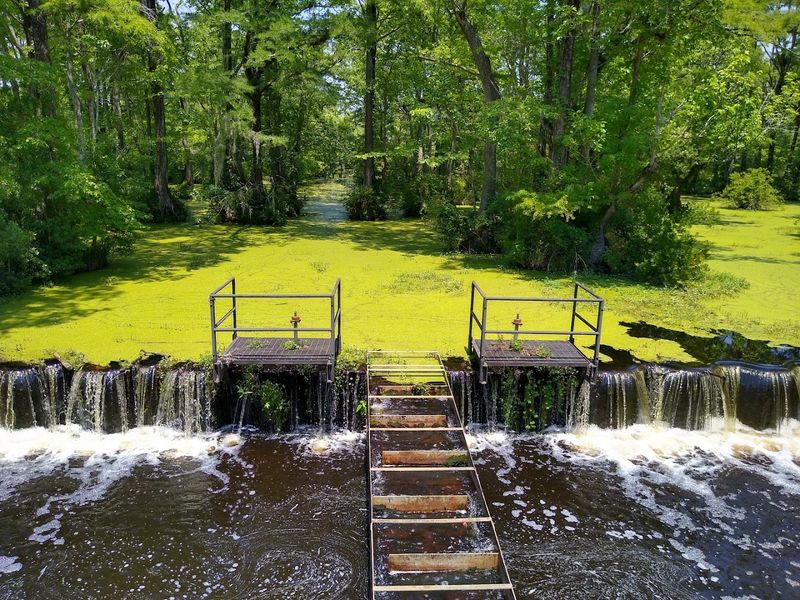
This state park is located at 176 Mill Pond Rd, Gatesville, and preserves a rare coastal plain ecosystem where ancient cypress trees rise from dark, tannin-stained water. The millpond itself dates to the early 1800s, though the surrounding swamp existed long before humans modified it for commerce.
Canoe trails wind through narrow channels beneath overhanging branches draped with Spanish moss. The water remains calm most days, making it accessible even for inexperienced paddlers willing to navigate the occasional tight turn.
Wildlife thrives in the swamp, with turtles basking on logs, herons stalking the shallows, and occasional glimpses of river otters playing in the channels. The park maintains a campground for those wanting to experience the swamp at dawn when mist rises from the water, and bird calls echo across the pond.
Hiking trails circle portions of the millpond, offering dry-land perspectives of the wetland ecosystem. Spring brings blooming water lilies, while fall colors appear more subtly in the cypress needles that turn bronze before dropping.
8. Jones Lake State Park, Elizabethtown
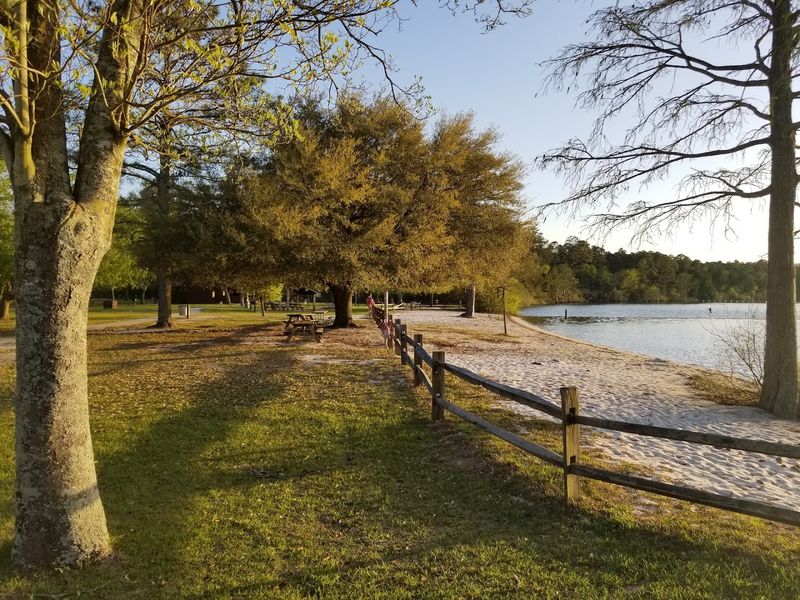
Jones Lake occupies a Carolina bay, at 4117 NC-242 N, Elizabethtown, one of the mysterious oval depressions that dot the coastal plain with origins still debated by geologists. The lake’s clear, tea-colored water comes from surrounding wetlands rather than streams, creating unique chemistry that supports specialized plant and animal life.
A sandy beach along one shore provides swimming access during warmer months, with the water remaining relatively shallow for several yards from shore. Bathhouses and picnic shelters cluster near the beach area, while trails lead away into the surrounding pine forests.
Canoes and kayaks launch easily from the shore, allowing exploration of the lake’s quieter coves where lilies bloom in summer. The water stays cool even in July thanks to depth and shade from surrounding trees.
Fishing produces bass and bream for patient anglers, while the nature trail circling portions of the lake offers interpretive signs explaining the Carolina bay phenomenon. Winter visits reveal the lake’s stark beauty when bare trees frame the water and waterfowl gather in rafts.
9. Gorges State Park, Sapphire
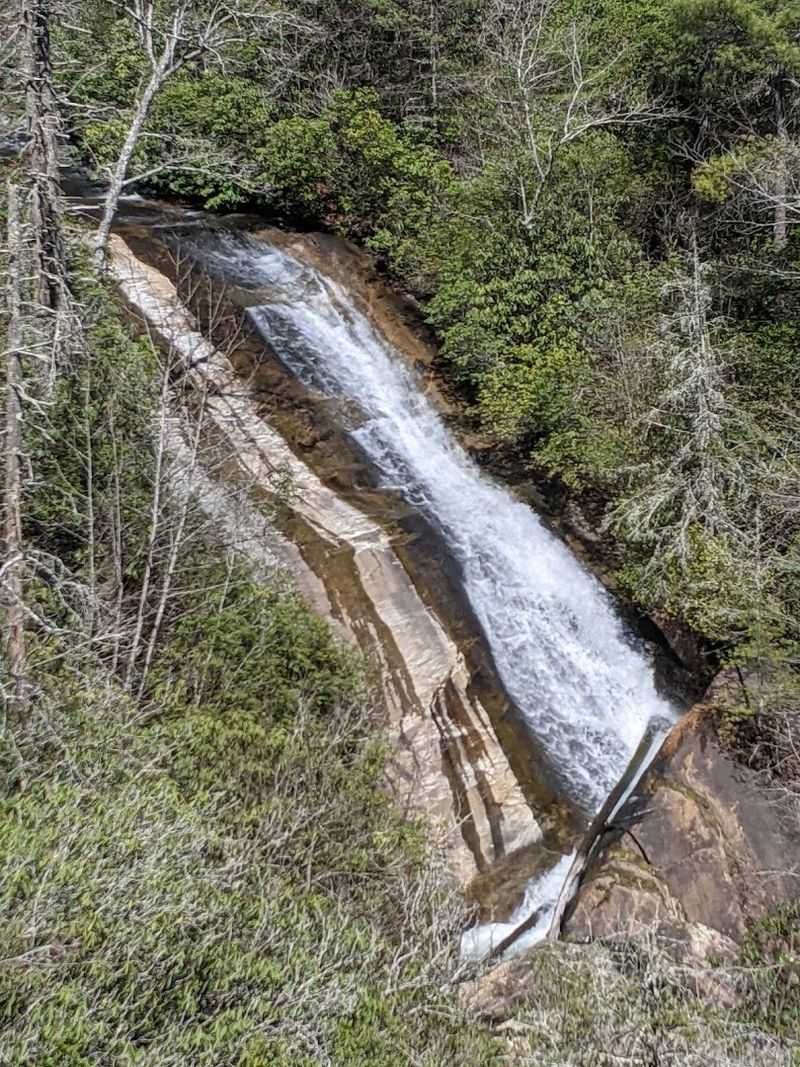
Gorges State Park, at 976 Grassy Ridge Rd, Sapphire, protects some of the wettest real estate in the eastern United States, where rainfall exceeds eighty inches annually. The resulting landscape features countless waterfalls, deep gorges, and temperate rainforest conditions rare outside the Pacific Northwest.
Trails range from easy streamside walks to strenuous climbs that gain over 1,000 feet in elevation. The most dramatic waterfalls require hiking to reach, though the effort rewards visitors with views of cascades that few people witness.
Mist hangs in the gorges most mornings, creating atmospheric conditions that shift with changing light. The constant moisture supports lush vegetation, including mosses, ferns, and flowering plants that thrive in the humidity.
Stream crossings on the trails can become challenging after heavy rain, and water levels in the gorges rise quickly during storms. The park’s remote location means cell service remains unreliable, so visitors should carry maps and plan accordingly.
Fall brings migrating hawks that ride thermals above the ridges, while spring fills the forest with wildflowers.
10. Pettigrew State Park, Creswell
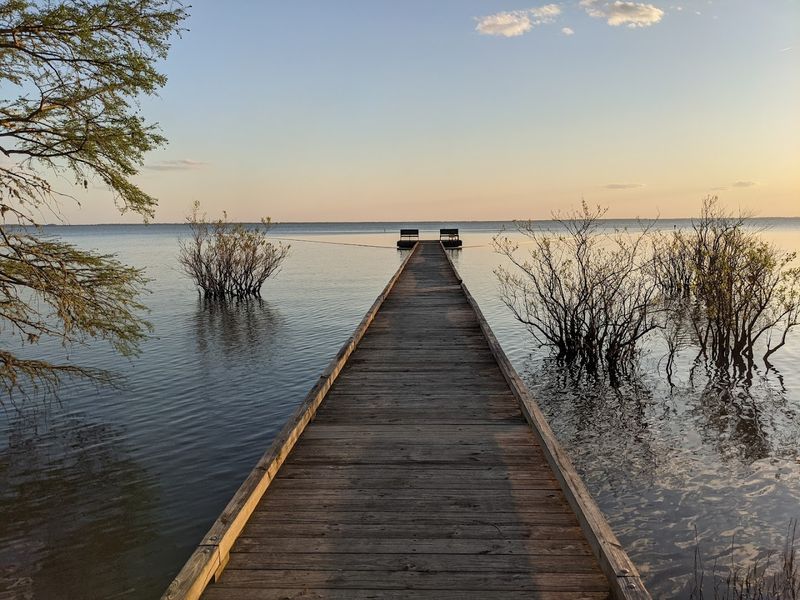
Pettigrew State Park borders Lake Phelps, a natural lake over 16,000 acres in size with an average depth of just four and a half feet. The lake formed thousands of years ago through processes still not completely understood, and its shallow, clear water creates conditions unlike deeper coastal lakes.
Ancient dugout canoes discovered in the lake date back over 4,000 years, evidence of the area’s long human history. A small museum at the park displays some of these artifacts and explains the archaeological significance of the site.
Boating on Lake Phelps requires attention to wind conditions, as the shallow water can become choppy quickly when breezes pick up. Fishing produces largemouth bass, catfish, and several panfish species.
Trails through the surrounding forest lead to observation points where bald cypress trees hundreds of years old stand along the shore. The park’s location, at 2252 Lake Shore Rd, Creswell, away from major population centers, means dark skies at night, making it popular with stargazers during clear weather.
Bird migrations bring thousands of waterfowl to the lake each winter.
11. Dismal Swamp State Park, South Mills
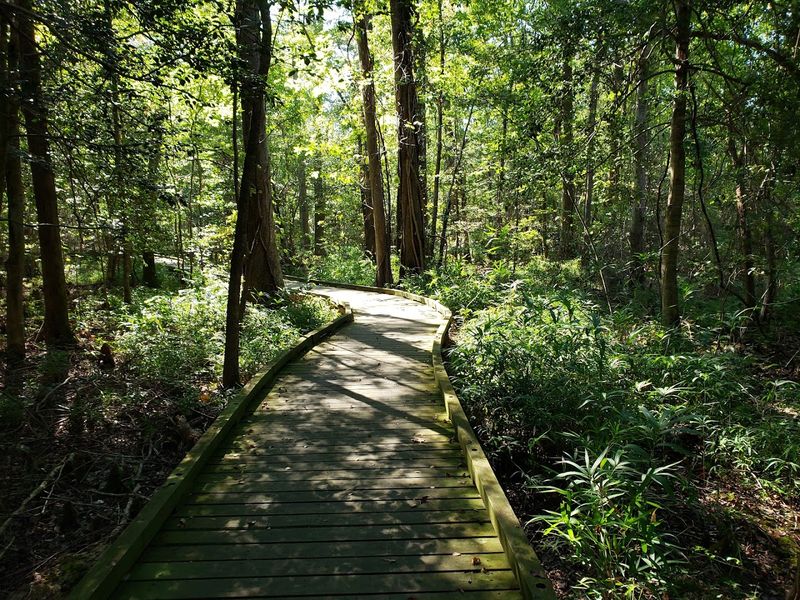
Dismal Swamp State Park provides access to the Great Dismal Swamp, a vast wetland that once covered over one million acres across North Carolina and Virginia. Today’s park at 2294 US-17, South Mills, preserves a remnant of this ecosystem, where black water flows slowly beneath dense forest canopy.
Trails include boardwalks that keep feet dry while crossing the wettest sections, and unpaved paths that follow slightly higher ground through the swamp. The landscape feels primeval, with sounds of civilization fading quickly once inside the tree line.
Paddlers can access the Dismal Swamp Canal, a historic waterway that forms part of the Intracoastal Waterway. The canal’s straight course and dark water create an unusual paddling experience quite different from natural waterways.
Wildlife includes black bears, bobcats, and numerous bird species that thrive in the swamp’s seclusion. Summer brings heat and humidity that can feel oppressive, while cooler months offer more comfortable exploration.
The swamp’s reputation for being dismal stems largely from early settlers’ perspectives rather than any inherent dreariness in the landscape.
12. Blue Ridge Heritage Trail, Asheville
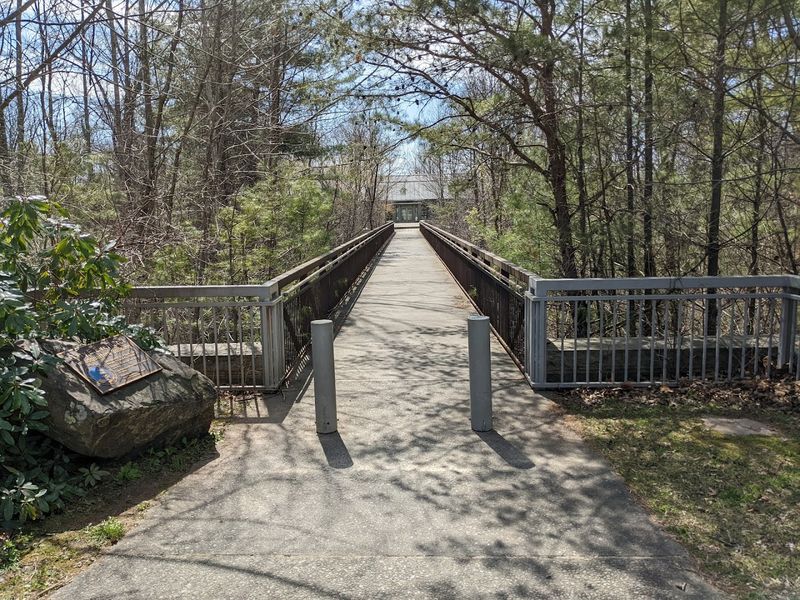
The Blue Ridge Heritage Trail, at 195 Hemphill Knob Rd, Asheville, connects historic sites, cultural landmarks, and scenic overlooks across Western North Carolina through a designated driving route. Rather than a single hiking trail, it forms a network of roads that link communities, museums, and natural areas significant to the region’s history.
Travelers can design their own routes along the trail, stopping at craft centers, historic homes, and overlooks that reveal the cultural landscape of Appalachia. Each stop offers different perspectives on how geography shaped settlement patterns and traditional lifeways.
The trail passes through small towns where traditional crafts continue, from pottery to weaving to instrument making. Seasonal festivals along the route celebrate mountain music, heritage foods, and agricultural traditions.
Fall foliage transforms the drive into a parade of color, while spring brings blooming dogwoods and redbuds to the roadsides. The flexible nature of the trail means visitors can spend a few hours or several days exploring, with numerous lodging and dining options in the communities along the way.
13. Linville Gorge, Morganton
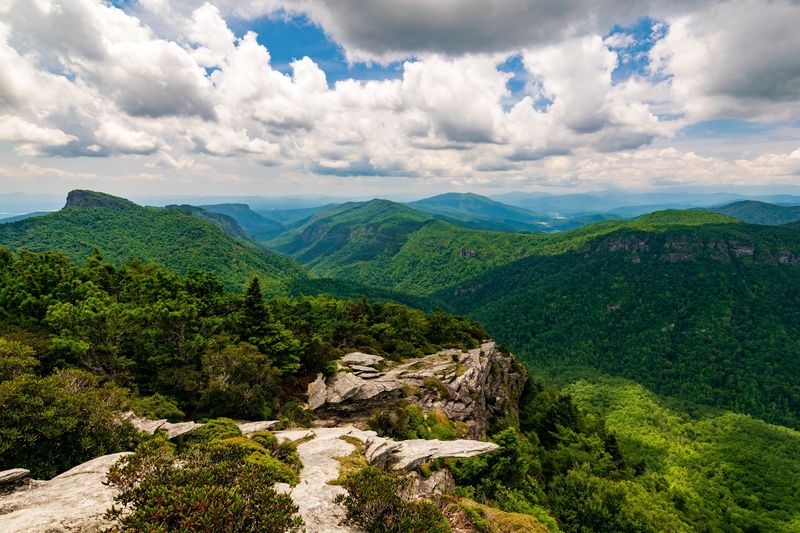
Linville Gorge carves through the Blue Ridge Mountains for twelve miles, creating one of the deepest and most rugged canyons in the eastern United States. The Linville River drops nearly 2,000 feet through the gorge, tumbling over boulders and forming numerous cascades along its course.
Designated wilderness status means the gorge remains largely undeveloped, with trails that challenge even experienced hikers. Steep climbs, rocky terrain, and limited signage require preparation and navigation skills beyond what typical day hikes demand.
Views from the rim overlooks reveal the gorge’s dramatic scale, with cliffs dropping vertically and the river visible as a silver thread far below. Rock climbers tackle the exposed faces on both sides of the canyon, while backpackers camp in primitive sites along the river.
Spring wildflowers blanket the slopes, and fall color peaks later here than in surrounding areas due to elevation differences. The gorge’s reputation for difficulty keeps crowds relatively light even during peak seasons, preserving a sense of wilderness increasingly rare in the East.
14. Blowing Rock, Blowing Rock
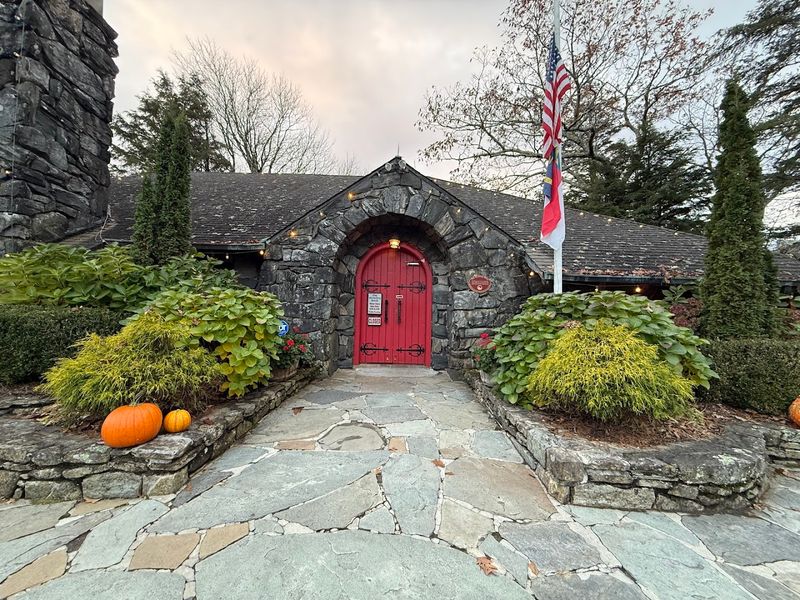
Blowing Rock, at 432 The Rock Rd, Blowing Rock, stands as both a town and a natural attraction, with the rock formation itself perched 4,000 feet above sea level on the edge of Johns River Gorge. Wind currents flowing up from the gorge create an updraft so strong that light objects thrown from the rock blow back rather than falling down.
The attraction area includes observation decks, gardens, and interpretive displays explaining the geology and legends associated with the site. A small admission fee grants access to the overlooks and grounds, which remain open year-round, weather permitting.
Views extend across the gorge to Grandfather Mountain and beyond, with visibility sometimes reaching over 100 miles on exceptionally clear days. The gardens surrounding the rock bloom throughout warmer months, providing color and fragrance alongside the dramatic vistas.
Winter can coat the rock and surrounding vegetation in ice, creating spectacular frozen formations but also hazardous walking conditions. The town of Blowing Rock clusters nearby, offering shops, restaurants, and lodging within easy walking distance of the natural feature that gave it its name.
15. Tarboro Historic Town, Tarboro
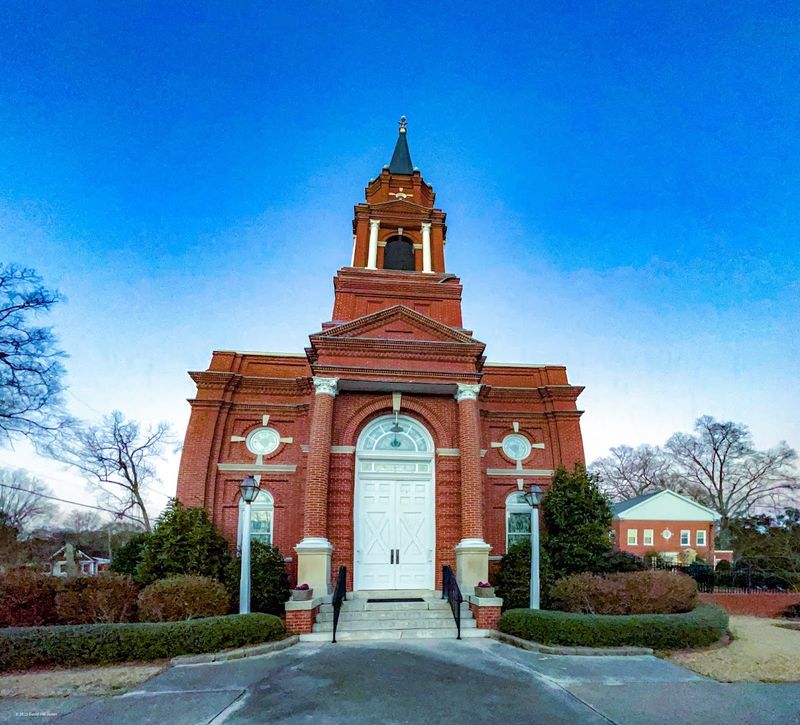
Tarboro preserves one of the most intact collections of antebellum architecture in North Carolina, with an entire historic district listed on the National Register. The town’s layout follows an original plan from 1760, with a central common surrounded by streets lined with homes spanning two centuries of architectural styles.
Walking tours reveal details easily missed from a car, from ornate ironwork to distinctive brickwork patterns that identify different construction periods. Many buildings display plaques explaining their history and the families who built them.
The town common remains the social center, hosting events throughout the year and providing green space in the heart of the historic district. Several homes open for tours during spring and fall heritage events, offering glimpses inside restored interiors.
The Blount-Bridgers House operates as a museum year-round, with period furnishings and exhibits on local history. Tarboro’s relative isolation from major highways helped preserve its historic character, as development pressures remained lighter than in more accessible locations.
The riverfront area along the Tar River provides walking paths and views of the waterway that gave the town its name.