The Florida Island With So Few Residents It Feels Like Your Own Private Secret
Florida has some crowded beaches. You know the type, towels packed shoulder to shoulder and a fight for every parking spot.
This island is the opposite of all that. Hardly anyone lives here, and even fewer people think to visit.
That is precisely the appeal. You get miles of shoreline that feel like they belong to you alone.
Picture quiet sand, gentle water, and a horizon with nothing in the way. No crowds, no noise, no rush.
The slow pace is the whole point. Time seems to stretch out the moment you arrive.
You can wander, swim, or simply sit and watch the water do its thing. Nobody is going to bother you.
It feels like a secret, even though it has been here all along. So pack light and leave the crowds behind.
This little slice of Florida is waiting to be yours for a day.
The Unhurried Charm
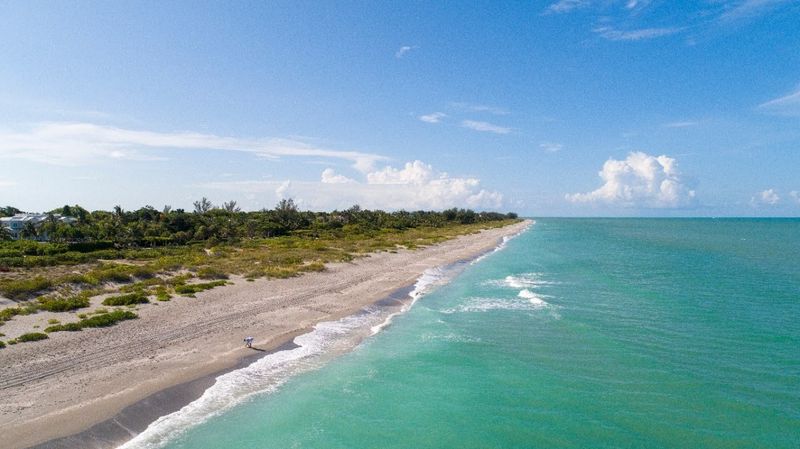
Captiva Island is the kind of place that makes you question every vacation you have ever taken before it. There are no traffic lights.
No big box stores. No cruise ship crowds spilling onto the sand.
The island stretches roughly five miles long and, in some spots, is barely a quarter-mile wide. You can see the Gulf of Mexico on one side and Pine Island Sound on the other without even trying.
That alone feels like a small miracle.
Most visitors stumble here after spending time on neighboring Sanibel, but Captiva has its own personality entirely. It is quieter, greener, and somehow even more laid-back.
The roads are narrow and shaded by sea grape trees and Australian pines.
Locals wave at strangers. Golf carts are a perfectly acceptable form of transportation.
Nobody seems to be in a hurry, and after about thirty minutes on the island, neither are you.
What makes Captiva special is not any single attraction. It is the cumulative feeling of being somewhere that has not been over-developed, over-marketed, or over-discovered.
That is genuinely rare in Florida, and worth every mile of the drive to get here.
Shell-Hunting On The Gulf Side Beaches
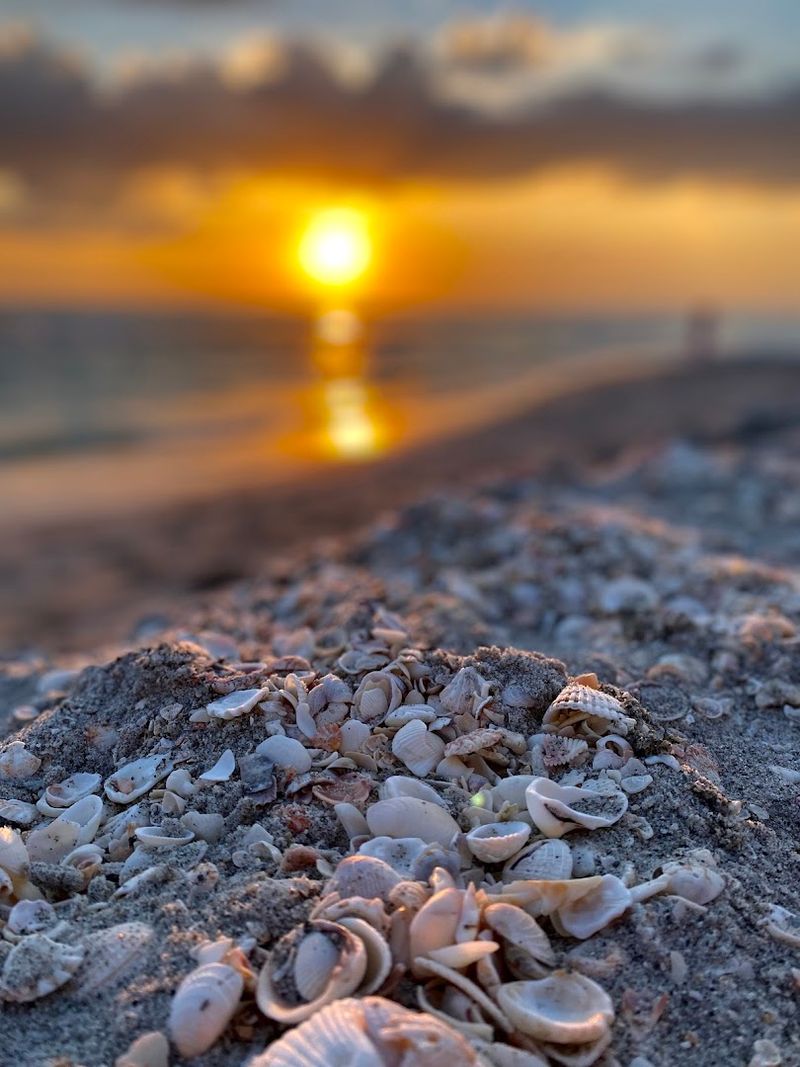
Captiva’s beaches are legendary among shell collectors, and the moment you step onto the sand you understand why.
The Gulf currents push an extraordinary variety of shells onto the shore, including junonia shells, which are so rare that locals consider finding one a genuine cause for celebration.
The best shelling happens early in the morning, right after high tide. Serious collectors show up at sunrise with mesh bags and a focused look that borders on competitive.
I once watched a woman sprint across the sand toward a lightning whelk like it owed her money.
You do not need to be obsessed to enjoy it, though. Even casual beachgoers end up crouching down and filling their pockets without realizing it.
The variety is genuinely surprising, from angel wings to lion’s paws to sand dollars in near-perfect condition.
Turner Beach, at the southern tip of Captiva where it meets Sanibel, is particularly productive after storms.
The shells pile up in ridges along the waterline, and the sheer quantity makes it feel less like a beach and more like a natural museum.
Bring a bag. You will need it more than you think.
The Magic Of ‘Tween Waters Island Resort
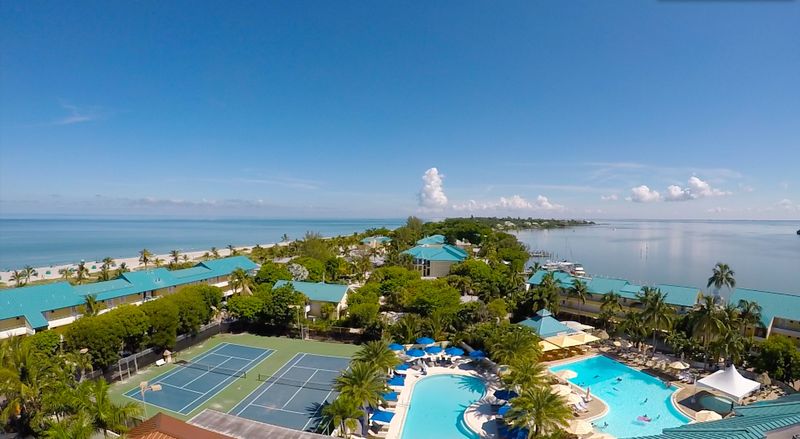
‘Tween Waters Island Resort sits on one of the narrowest parts of Captiva, which means you can walk from the Gulf beach to the bay beach in under two minutes. That is not a selling point you find at most Florida resorts.
The resort has been welcoming guests since the 1920s, and it carries that history lightly. Cabins, cottages, and rooms are spread across lush grounds full of palm trees and flowering plants.
It feels more like a small village than a traditional hotel.
Anne Morrow Lindbergh famously stayed here while writing her book Gift from the Sea, which was inspired by her time on Captiva.
The resort honors that connection without being precious about it. History lives in the bones of the place rather than on laminated signs.
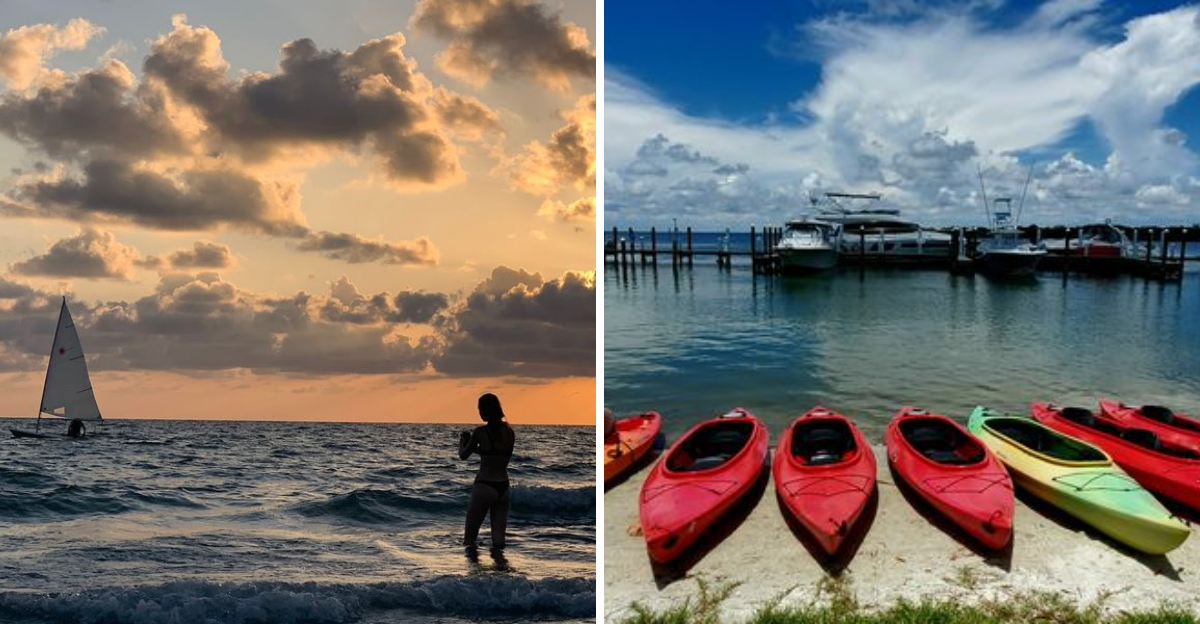
The on-site marina offers kayak and paddleboard rentals, boat charters, and easy access to Cayo Costa State Park nearby. You can be on open water within minutes of checking in.
Families love the pool area, which sits close enough to the Gulf that you can hear the waves while you swim. It manages to feel both relaxed and well-run, which is harder to pull off than it sounds.
Kayaking Through The Aquatic Preserve
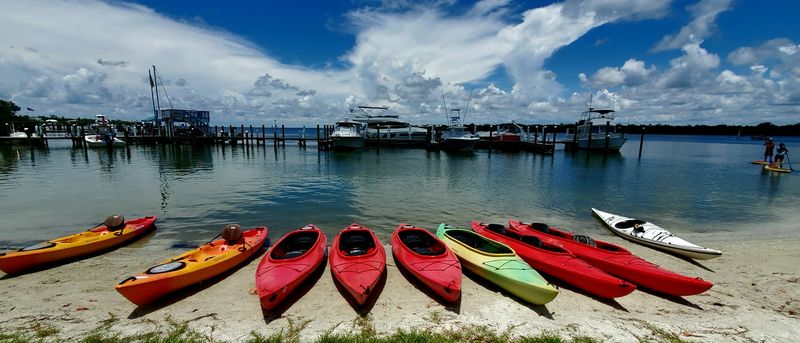
The waters surrounding Captiva are part of the Pine Island Sound Aquatic Preserve, and paddling through them feels like entering a world that runs on entirely different rules.
Manatees surface nearby. Roseate spoonbills wade in the shallows.
Dolphins occasionally decide to pace your kayak just to keep things interesting.
Guided kayak tours leave from several spots on the island and are worth booking if you are new to the area.
Local guides know where the wildlife congregates, which tidal creeks to explore, and how to read the water in ways that take years to learn on your own.
The mangrove tunnels are the real draw.
These narrow channels twist through dense root systems, blocking out the sun and creating a hushed, cathedral-like atmosphere that feels completely removed from anything beachy or touristy. It is genuinely otherworldly.
Even if you have paddled before, the variety here keeps things fresh. Open bay crossings, sheltered coves, and tidal flats all offer different experiences within a short distance of each other.
Sunset kayak tours are particularly popular and for good reason. The light over Pine Island Sound at dusk turns everything gold, and the stillness of the water makes the whole thing feel almost too beautiful to be real.
Wildlife That Refuses To Be Subtle
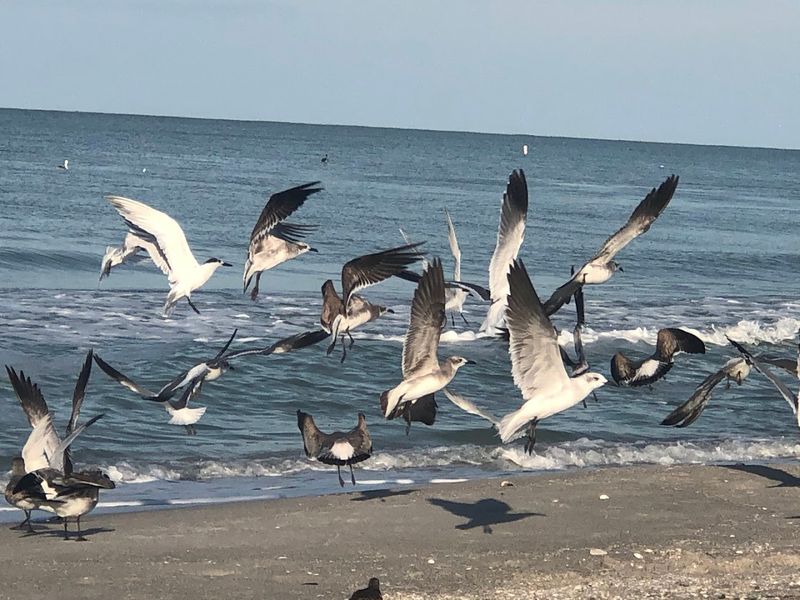
Captiva does not make you work hard to see wildlife. It practically volunteers itself.
Ospreys nest on channel markers.
Brown pelicans glide in formation just above the waterline with an elegance that seems almost theatrical.
The island sits within the Great Florida Birding Trail, and birdwatchers from across the country make specific trips here to add species to their lists.
Over 200 bird species have been recorded in the area, ranging from tiny shorebirds to massive great blue herons that stand perfectly still for so long you start wondering if they are real.
Gopher tortoises are another Captiva resident worth watching for. They move through the vegetation with a dignity that suggests they have been here far longer than any of us, which is essentially true.
They are a protected species and a reminder that the island’s ecosystem is genuinely alive.
Dolphins are almost guaranteed if you spend any time on the water. They are not performing for you.
They are just going about their day, which somehow makes spotting them feel more rewarding than any scheduled wildlife encounter ever could.
Bring binoculars. Keep your phone charged.
You will want documentation because nobody back home is going to believe the spoonbill photos otherwise.
The Island Next Door
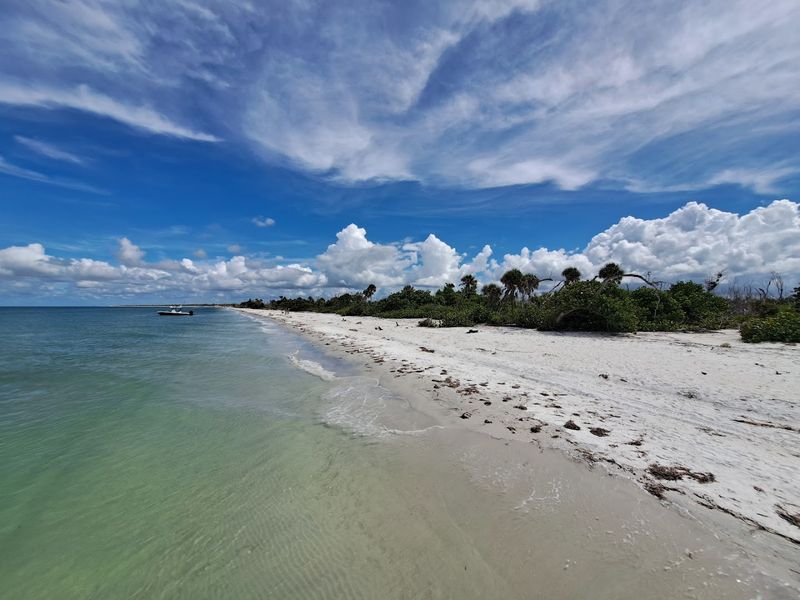
Cayo Costa State Park is accessible only by ferry or private boat, which is exactly why it remains one of the least-visited state parks in Florida. No roads lead there.
No cars exist on the island.
The only way in is across the water, and that natural barrier keeps the crowds away with remarkable efficiency.
From Captiva, a short ferry ride delivers you to nine miles of undeveloped Gulf beach. Nine miles.
The kind of empty beach that makes you feel like the world has been paused just for you.
The park has primitive cabins and tent camping available, which means you can actually spend the night in a place where the only sounds are wind, waves, and whatever birds decide to narrate the evening.
Reservations fill up fast, especially in winter months.
Day-trippers can explore nature trails through pine flatwoods and oak hammocks, or simply plant themselves on the beach for the day.
The shelling rivals anything Captiva or Sanibel offers, with far fewer people competing for the same finds.
It is the kind of place that recalibrates your sense of what a beach can actually be. Once you have been, regular crowded beaches feel like a different category of experience entirely.
Eating Well On An Island This Small
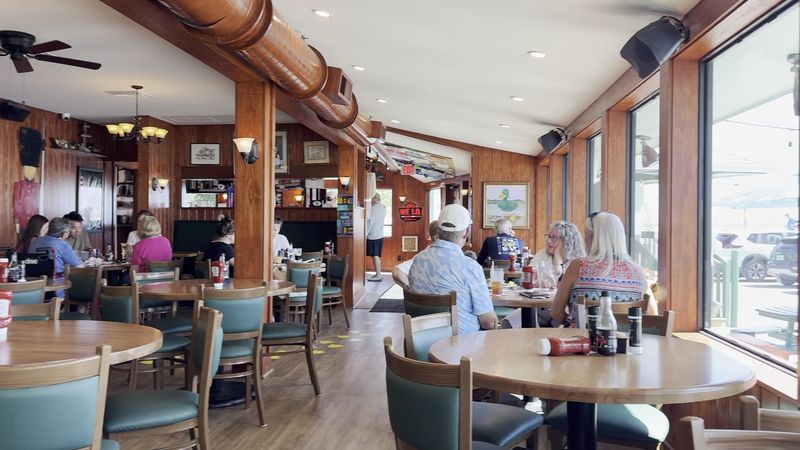
For an island with fewer than 400 permanent residents, Captiva punches well above its weight when it comes to food.
The dining options are limited in number but genuinely good in quality, which is a combination that does not always go together in small beach towns.
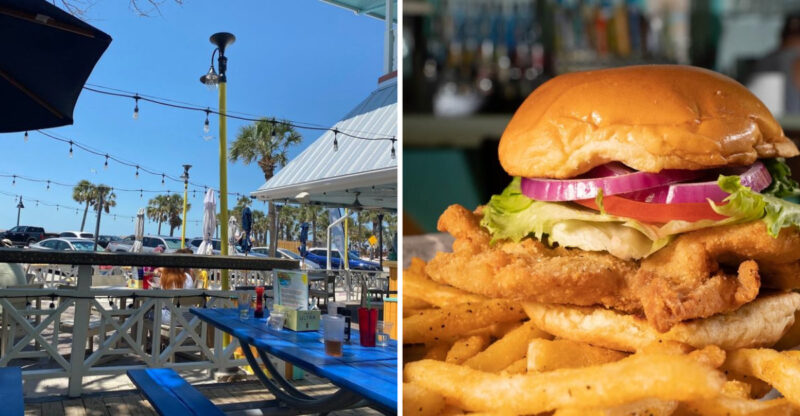
The Mucky Duck is the island’s most famous restaurant, and it earns its reputation consistently. It sits directly on the Gulf, offers fresh seafood, and gets busy at sunset for obvious reasons.
Arrive early or prepare to wait, and the wait is worth it.
RC Otter’s Island Eats serves breakfast and lunch with a relaxed, slightly chaotic energy that fits the island’s personality perfectly.
The grouper sandwich is the kind of thing you think about on the drive home. Then think about again the following Tuesday.
Green Flash Waterfront Cafe offers bay views and a menu that leans into fresh local ingredients. It is a reliable spot that manages to feel neither too casual nor too formal, which is exactly the right register for Captiva.
The overall food scene here rewards people who are not in a rush. Meals take longer, conversations stretch out, and nobody seems to mind.
That is either the island’s greatest charm or its defining characteristic. Probably both.
Why Captiva Stays Secret And Why That Matters
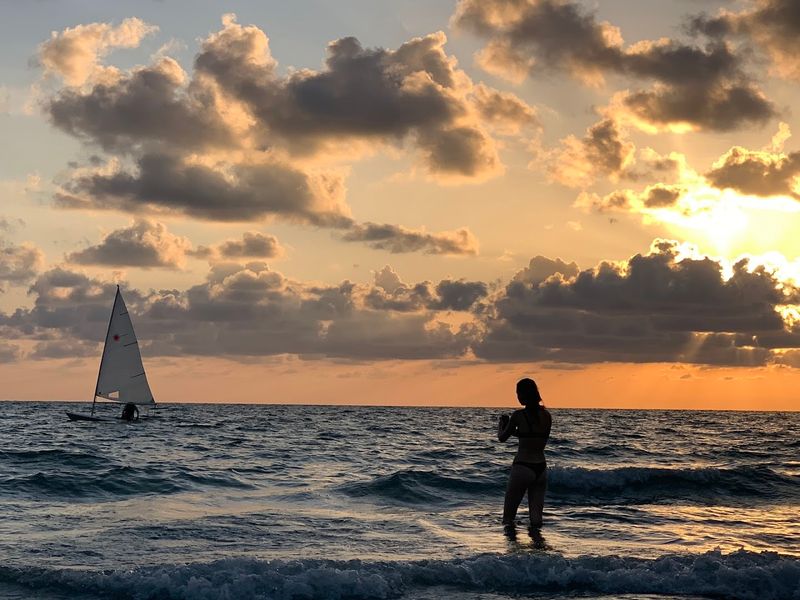
Captiva Island has managed something genuinely difficult in modern Florida: staying small on purpose. There is no major resort development.
No chain restaurants.
No waterpark or outlet mall trying to claim the landscape. The island simply refuses to become something it is not.
Part of that is geography. Captiva is narrow, fragile, and surrounded by water, which limits what can be built and where.
But part of it is also community.
The people who live here year-round are protective of what they have, and that protectiveness shows in how the island is maintained and presented.
The population hovers around 379 permanent residents, making Captiva one of the smallest inhabited barrier islands in Florida.
That number means everyone knows each other, which creates a social fabric that visitors can feel even if they are only there for a weekend.
Tourism exists here, but it has not taken over. The island absorbs visitors without losing its identity, which is a balance most popular destinations eventually fail to maintain.
Coming to Captiva feels like being let in on something. Not a secret in the dramatic sense, but a quiet understanding that some places are worth protecting by simply not shouting about them too loudly.
Consider this article a whisper, not a shout.