These 10 Historic Virginia Parks Made The Past Feel Much Closer Than We Expected
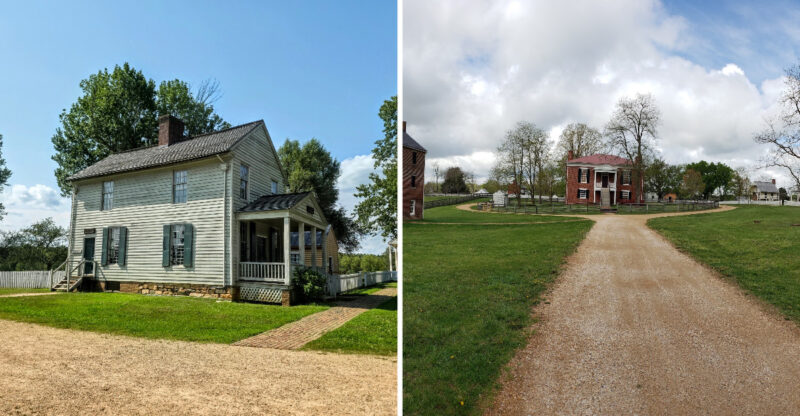
A tiny village general store still sells souvenirs a short walk from the parlor where the Civil War’s biggest surrender was signed.
I find that oddly satisfying, like history left the shop lights on for us. Virginia is packed with places like that.
Earthworks dug by soldiers still rise out of fields. Cannons still point at tree lines.
One farm has been worked since 1619, which means somebody has been planting there for over four hundred years.
That’s a good reason to pay attention.
These parks let you stand where big moments actually happened, not just read about them.
Which spot would you want to see first?
1. Manassas National Battlefield Park
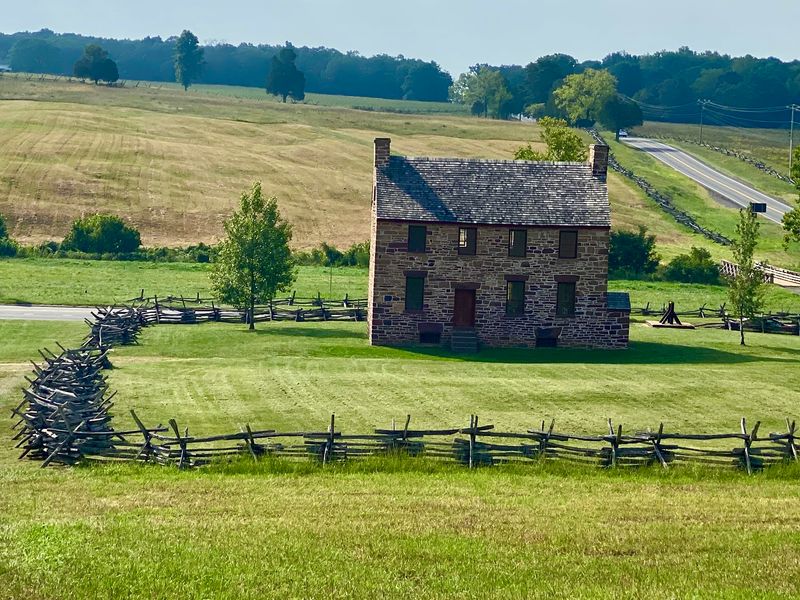
Two major battles unfolded on these same rolling fields, roughly a year apart. That makes this landscape in the northern part of the state especially compelling, even before you’ve stepped onto a trail.
The first engagement took place on July 21, 1861, and another followed in August 1862.
Begin with the Henry Hill Visitor Center, where a six-minute illuminated map explains the earlier events. A forty-five-minute film covers both campaigns, while museum displays introduce the people and landscape involved.
The center stands at 6511 Sudley Road in Manassas and opens daily from 9 AM to 5 PM, apart from designated holidays. Outside, the 1.1-mile Henry Hill Loop passes interpretive panels, cannons, and historic landmarks.
It’s a manageable introduction for anyone who wants to understand the terrain before exploring farther. From the open hilltop, you can appreciate the distances between old farm buildings, artillery markers, and neighboring fields.
With extra time, consider the twenty-mile self-guided driving tour or the longer First and Second Manassas walking loops.
The Stone House and Brawner Farm interpretive building open only on selected dates, although their surrounding grounds remain accessible during daylight hours.
Ranger-led walks depend on the season, so check the day’s program board upon arrival. Open meadows, stone walls, and distant tree lines give the story scale.
2. Appomattox Court House National Historical Park
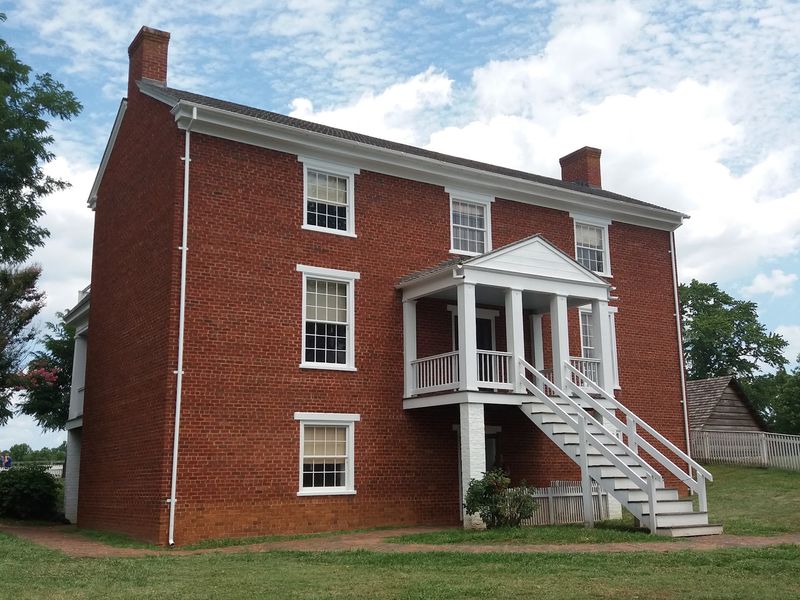
A whole village gets to tell the story here, not just one building. Restored shops, homes, and a tavern surround the place where Robert E. Lee met Ulysses S.
Grant on April 9, 1865.
The meeting took place in the McLean House parlor, marking the surrender of Lee’s Army of Northern Virginia.
The furnished house is open for visits, making this one of the park’s most memorable stops.
Nearby, the Meeks Store preserves the appearance of a nineteenth-century general store rather than functioning as a modern shop. Actual souvenirs and books are sold in the Clover Hill Tavern guesthouse.
That building sits among other surviving and reconstructed structures, including the courthouse that now serves as the visitor center. The original courthouse was replaced after a fire in 1892.
To begin exploring, follow National Park Drive to number 111 in Appomattox. The visitor center offers exhibits, a short orientation film, and maps for exploring independently.
The park opens daily from 9 AM to 5 PM except on certain holidays. Families can also collect a Junior Ranger activity booklet, turning the historic village into a thoughtful self-guided discovery trail.
Beyond the village, eleven hiking trails cross forests and fields. The Sweeney Trail leads toward a historic cabin, while a short wildlife loop explores meadow habitat.
Leave time to wander between buildings; ordinary village details make the famous meeting feel remarkably close.
3. Fredericksburg And Spotsylvania National Military Park
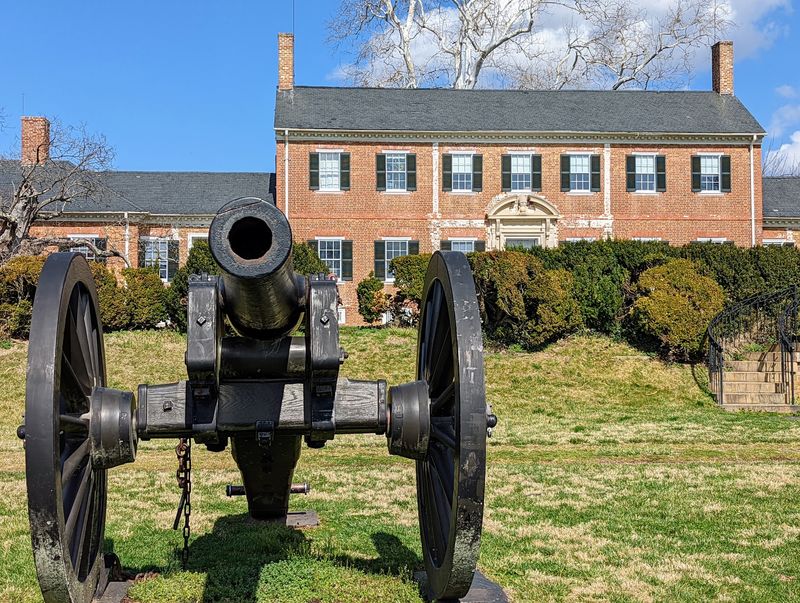
Four major campaigns in one national park make a single afternoon feel rather ambitious.
Fredericksburg, Chancellorsville, Wilderness, and Spotsylvania Court House each preserve a different chapter of the region’s nineteenth-century history.
The first battle occurred in December 1862, followed by Chancellorsville in 1863 and the Wilderness and Spotsylvania campaigns in 1864.
The sites span multiple locations, so choose a starting area before driving around. A good introduction is Fredericksburg’s Sunken Road, where stone walls and interpretive panels explain the historic terrain.
The 0.8-mile Sunken Road loop climbs toward Marye’s Heights and provides an approachable walk.
Find the trailhead beside the main visitor-center complex at 1013 Lafayette Boulevard. The visitor-center building is closed for maintenance, but the adjacent park bookstore opens daily, with a ranger available to answer questions.
On autumn weekends, scheduled Sunken Road tours usually depart twice daily.
Elsewhere, Chatham’s grounds overlook the Rappahannock River, although its main building is closed for the winter season. Ellwood’s grounds remain accessible too, even when the house is closed.
For indoor exhibits, the Chancellorsville Visitor Center operates Thursday through Monday during the winter schedule. The historic sites open from sunrise until sunset. Plan separate stops rather than rushing across the entire park.
The quiet lanes and preserved farm boundaries can look ordinary at first, but their historical meaning becomes clearer with every interpretive marker.
4. Yorktown Battlefield
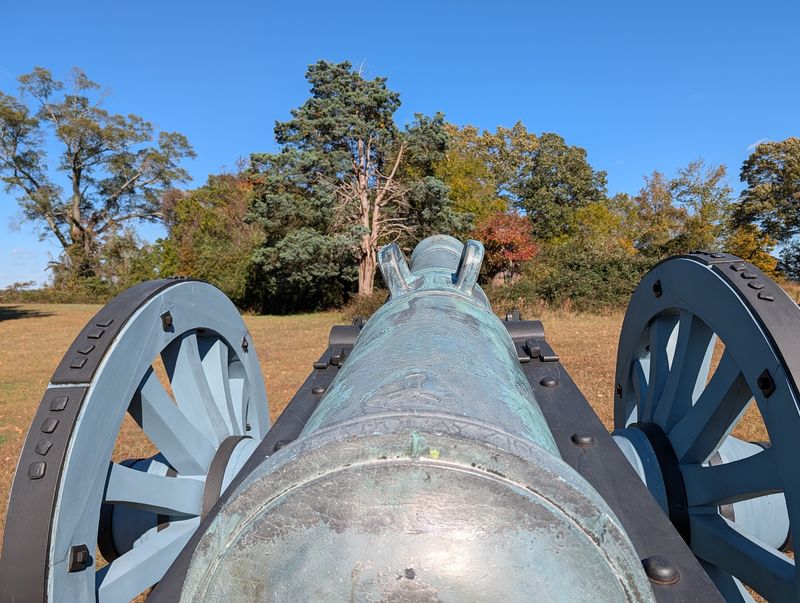
A turning point in the American Revolution unfolded across these fields in October 1781.
American and French forces under George Washington surrounded the British army, whose commander, Lord Cornwallis, surrendered on October 19.
Today Yorktown Battlefield forms part of Colonial National Historical Park.
Earthworks, artillery positions, and open ground make the 1781 landscape easier to understand than a collection of dates ever could. Some grassy embankments appear modest until you realize they once shaped entire lines of defense.
Begin at the visitor center, 1000 Colonial Parkway in Yorktown. It opens from 9 AM to 5 PM daily except on designated holidays. Exhibits and maps help explain where to go, especially if you’re planning to explore the battlefield by car.
The six-stop red driving route takes in the British inner line, French battery, allied positions, Redoubts 9 and 10, the Moore House, and Surrender Field.
Tour roads remain open until sunset. The Moore House interior is closed, but its grounds can still be visited. The Nelson House opens when staffing permits.
Walk a short section near the earthworks before continuing by car. Seeing the distances between positions is part of what makes Yorktown so interesting.
There’s also time afterward for the waterfront streets of historic Yorktown, a pleasant contrast to the broad, quiet fields. A short walk near the visitor center offers another close view of the earthworks.
5. Cedar Creek And Belle Grove National Historical Park
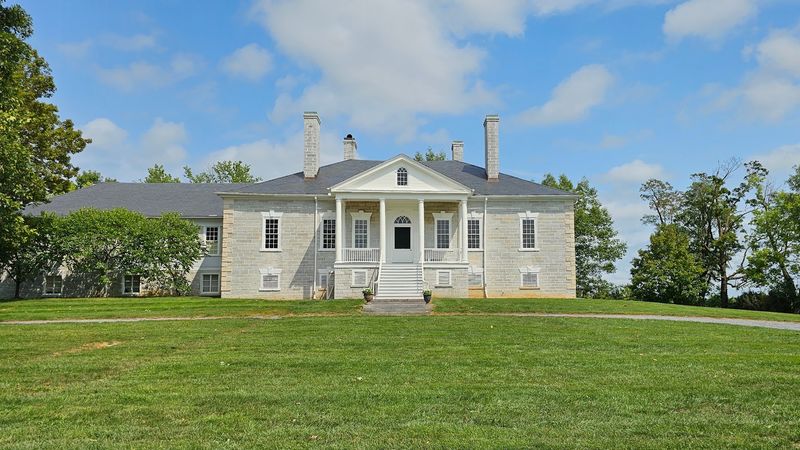
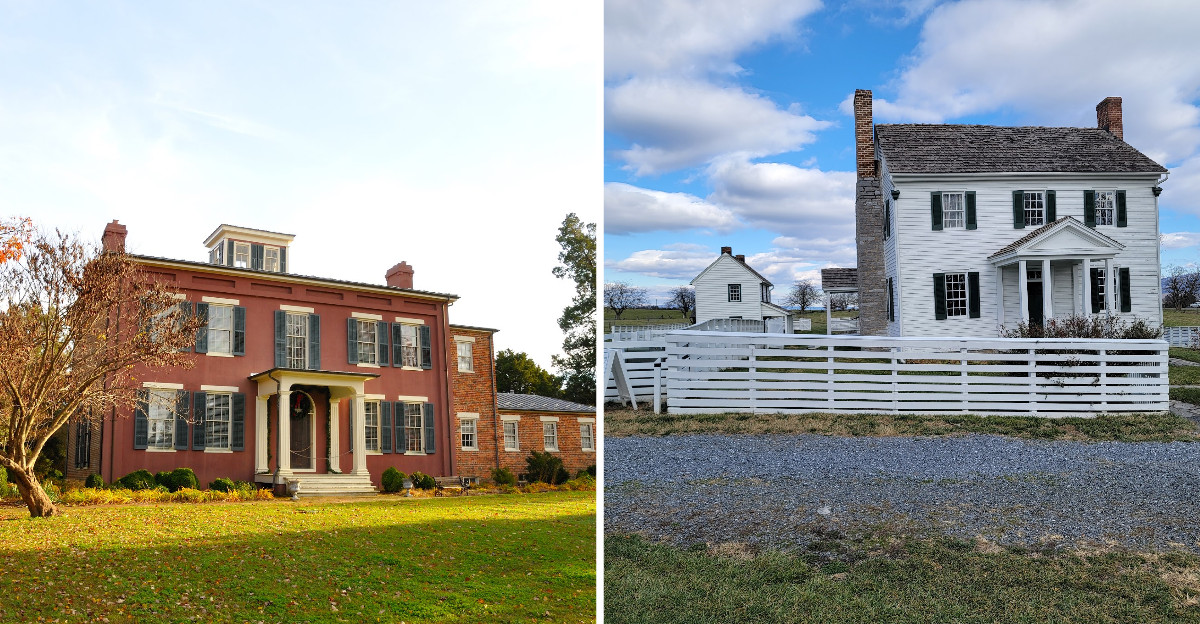
Thomas Jefferson offered design suggestions for a house here, and an important 1864 battle later unfolded across the surrounding valley. That’s a remarkably layered history for one stretch of countryside.
Belle Grove Manor House was completed in 1797 for Isaac Hite and his wife, Nelly Madison Hite, sister of James Madison.
Built from local limestone, the residence reflects the Federal architectural style. Its story includes the enslaved people whose labor supported the estate, along with the agricultural history of Virginia’s Shenandoah Valley.
The Battle of Cedar Creek occurred nearby on October 19, 1864. Preserved earthworks and the Morning Attack Trails help connect its events with the surrounding hills.
Woodland paths follow portions of historic trenches, while interpretive signs explain how the landscape was used.
The National Park Service visitor center is at 7712 Main Street in Middletown. Exhibits include an illuminated terrain map, and rangers can suggest a route.
From November through April, the visitor center generally opens Friday through Sunday, 10 AM to 4 PM.
Belle Grove is a separate partner-operated property at 336 Belle Grove Road, with its own house-tour schedule. Its grounds and trails offer additional opportunities to explore.
Plan both stops if you want the fullest picture, since the mansion and the battlefield tell connected but distinct stories. A heritage orchard and garden add another glimpse of daily life at Belle Grove.
6. Richmond National Battlefield Park
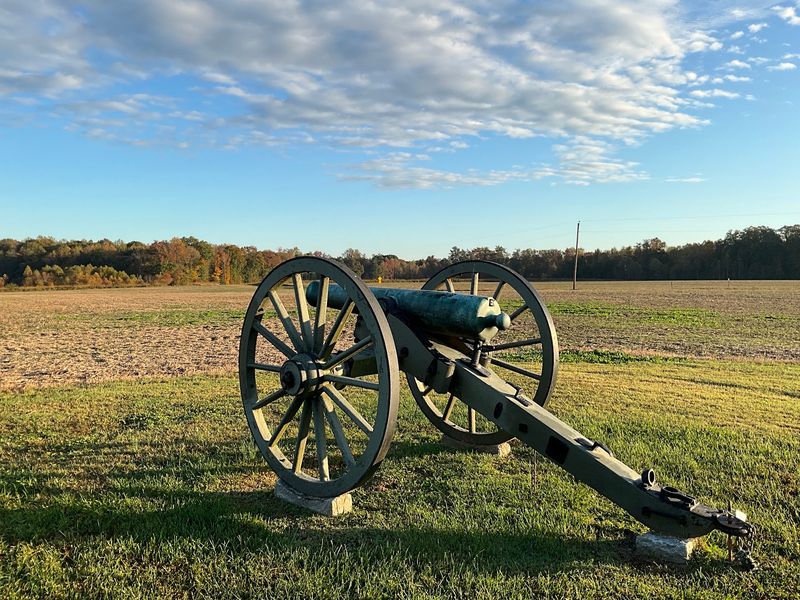
A former army hospital, defensive earthworks, and wooded battlefield trails all fall under this one park name.
The variety is remarkable, and the different places are spread around the Richmond area rather than gathered at one entrance.
For an introduction, begin with the Chimborazo Medical Museum at 3215 East Broad Street.
Exhibits explore nineteenth-century medical care, and a seventeen-minute film explains the site. The hilltop setting also provides a broad view toward the city and the James River valley.
The museum opens Wednesday through Sunday from 9 AM to 4:30 PM. Nearby walking paths offer an opportunity to explore the surrounding historic neighborhood before heading to other park units.
Cold Harbor, north of the city, has another visitor center with exhibits and a driving route. Trails cross wooded terrain and pass interpretive signs, while other preserved areas contain trenches and artillery positions.
Fort Harrison also offers outdoor exploration, although its visitor center is closed throughout 2026.
Outdoor park lands generally remain accessible from sunrise to sunset. Because locations are separated by considerable driving distances, choose two or three sites that fit your interests rather than assuming a continuous walking route.
Each has a different setting, from shaded woodland to open grass. Together they reveal how much history surrounds the modern city.
Before setting out, study the park map carefully; several sites require separate drives through the metropolitan area.
7. Petersburg National Battlefield
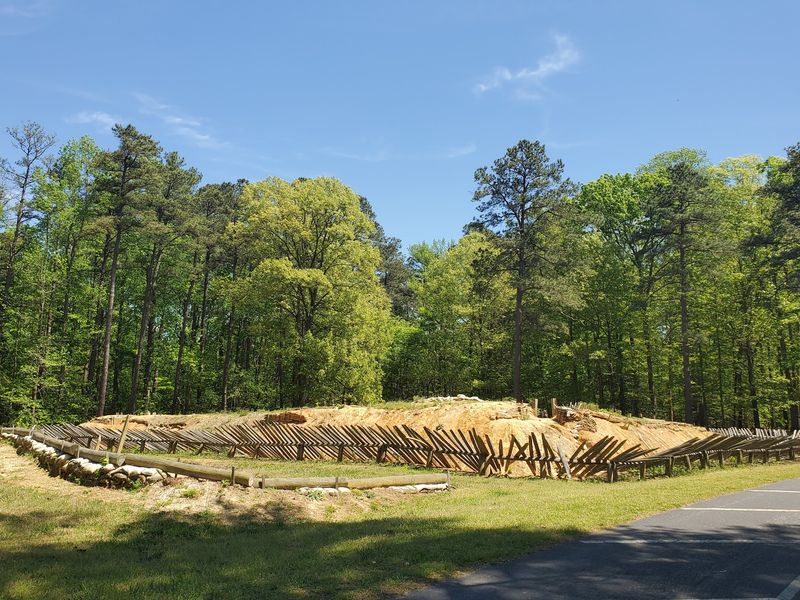
Forts made of dirt don’t sound like much until you see how well some earthworks have endured. Petersburg National Battlefield protects substantial sections of the defenses surrounding this historic city.
The story centers on a prolonged 292-day campaign that unfolded in 1864 and 1865.
Instead of relying on one small monument, the park preserves multiple areas, including the Eastern Front, Western Front, City Point, and Five Forks. Each offers a different perspective on the landscape.
The Eastern Front Visitor Center at 5001 Siege Road in Petersburg is the most practical starting point.
Its exhibits, artifacts, and eighteen-minute film introduce the history before you head outside. The building opens daily from 9 AM to 5 PM, apart from major holiday closures.
A four-mile driving route features eight stops around the Eastern Front, including Fort Stedman and the Crater.
Allow time to park and follow short walking paths rather than treating the route as a quick drive. The wider park also has a sixteen-stop touring itinerary across its different units.
During autumn and winter, the Eastern Front tour road closes at 5 PM. Bring a map, wear comfortable shoes, and let the surviving earthworks provide the real sense of scale.
Their shapes tell a story even before you read a sign. Spending the morning at the Eastern Front allows time to explore additional units later.
8. Sailor’s Creek Battlefield Historic State Park
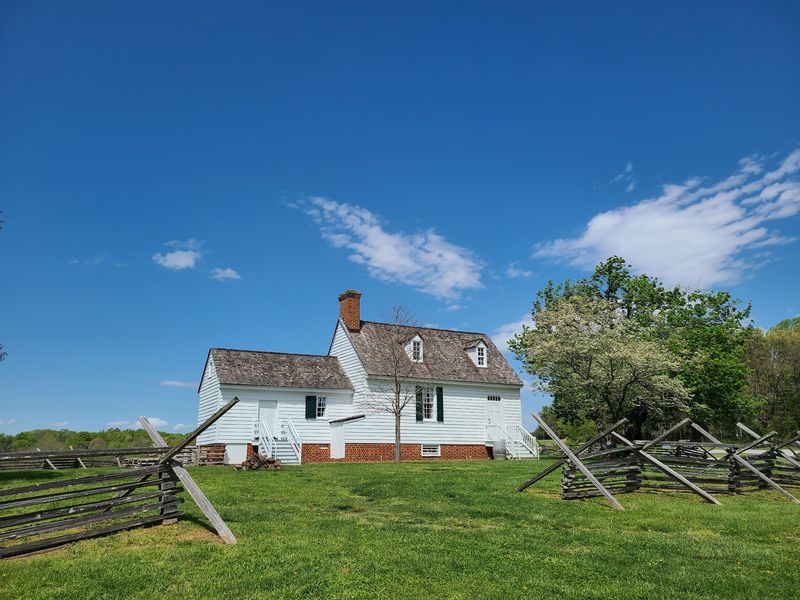
Just days before the historic meeting at Appomattox, an important engagement unfolded across these quiet hills. Sailor’s Creek preserves part of the route taken by Lee’s army on April 6, 1865.
The park covers 379 acres in rural Amelia County, with seven short hiking trails connecting interpretive points.
A half-mile stroll can reveal open fields, woodland, and the creek itself, while longer combinations reward anyone interested in following the ground more closely.
Start at the visitor center at 6541 Saylers Creek Road in Rice. Its exhibits include artifacts and storytelling displays that trace events from early April 1865.
The building opens daily from 9 AM to 4 PM, while the surrounding park is accessible from dawn until dusk.
Behind the center, the Stagg Trail leads toward an overlook and joins the Kershaw Trail, which continues toward the creek.
The Custis Lee and Seymour trails explore different sections of the landscape. Interpretive markers explain how the terrain influenced the movements of the people involved.
The historic Overton-Hillsman House also stands within the park. Guided visits can be arranged by asking at the visitor center, rather than assuming regular walk-in hours.
Picnicking and seasonal educational programs provide extra reasons to linger. A thoughtful morning here pairs naturally with a later visit to Appomattox. The rural setting makes carrying water and allowing extra driving time a sensible idea.
9. New Market Battlefield State Historical Park
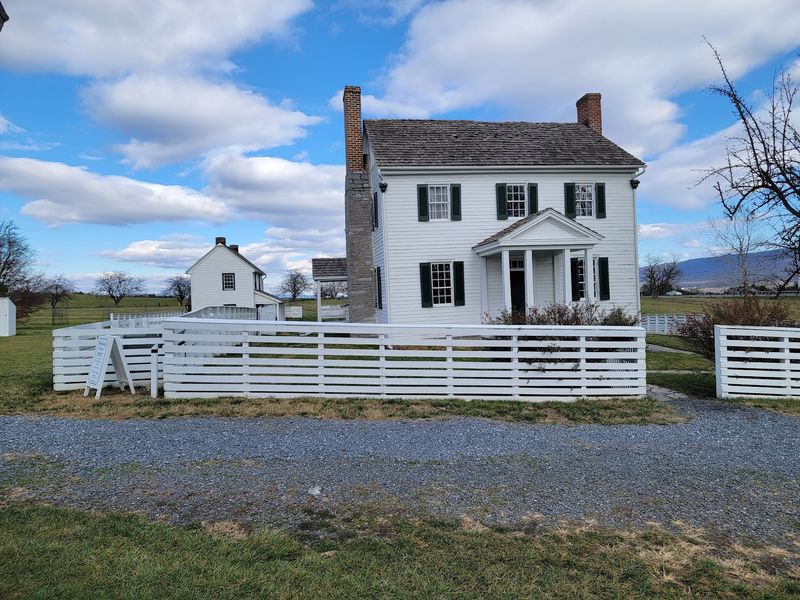
Standing in the field where young military cadets played a dramatic role in 1864 makes this Shenandoah Valley landscape especially memorable. The grassy slopes are part of a roughly 300-acre historical park.
The Battle of New Market took place on May 15, 1864. Cadets from the Virginia Military Institute participated, and their story forms an important part of the museum interpretation.
The adjoining Bushong Farm preserves a nineteenth-century agricultural setting, giving visitors another perspective on everyday life in the valley.
Begin at 8895 George Collins Parkway in New Market, the entrance to the museum and historical grounds.
Exhibits introduce the valley’s history, while the film Field of Lost Shoes plays regularly during opening hours. A state-certified travel information center is also available inside.
Outside, walking trails cross open fields and wooded sections near the North Fork of the Shenandoah River.
From the bluff, look toward the water and the surrounding hills. Birds, butterflies, and seasonal wildflowers provide reasons to explore beyond the marked historical points.
The museum operates daily from 9 AM to 5 PM, with closures on major holidays. Give yourself time for both the indoor exhibits and the outdoor route.
It’s possible to understand the larger story while still enjoying the beautiful valley scenery. The farm buildings also reveal the community that existed long before this property became a protected historical site.
10. Chippokes State Park
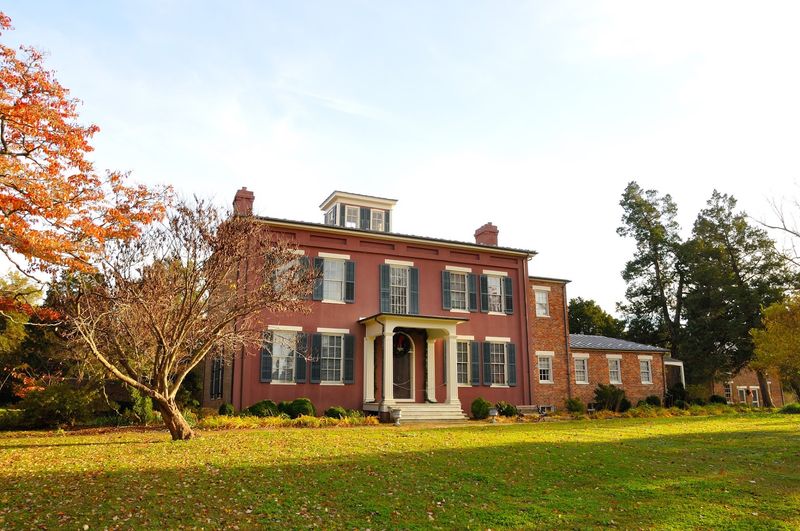
Farmers have worked this land since 1619. That makes Chippokes one of the oldest continuously farmed properties in North America, with a story stretching across more than four centuries.
The first recorded land grant went to Captain William Powell in that year.
Today the park preserves a working agricultural landscape overlooking the James River, along with historic houses, gardens, and a museum devoted to rural life.
The Jones-Stewart Mansion, completed in 1854, has Italianate architectural features and overlooks the river. Its grounds are pleasant even when tours aren’t scheduled.
Another building, the Walnut Valley House, dates to about 1770. Nearby structures document the experiences of enslaved people who lived and worked on the property.
The Farm and Forestry Museum displays more than 600 historic objects, including agricultural machinery and tools. Its regular self-guided season runs from March into early December.
Plan your visit through 695 Chippokes Park Road in Surry. Beyond the historic area, trails welcome walkers, cyclists, and riders on designated routes.
The paved College Run Trail stretches about one and a half miles, connecting recreational and historic areas.
The James River shoreline is also known for fossil searching, and cabins and campsites allow overnight stays.
Chippokes combines Virginia’s long agricultural history with ordinary pleasures such as a picnic and a slow river walk. There’s plenty to explore in a day.