These Maryland Towns Are Becoming Secret Favorites For Retirement Living
Nobody retires to a spreadsheet. They retire to a feeling, the one where you wake up without an alarm, walk somewhere worth walking to, and end the day wondering why you waited so long to get here.
Maryland has been quietly producing that feeling in towns most people drive through without stopping.
Not the obvious choices, not the postcard destinations.
The kind of places where the farmers market is genuinely good, the neighbors know your name by the second week, and the cost of living does not require a financial advisor to navigate.
I started noticing this on a road trip through the state that turned into something longer than planned, because every town I meant to pass through gave me a reason to park the car and stay awhile.
Retirees are figuring this out faster than the rest of the country, and honestly, they are making an excellent decision.
These Maryland towns are where the best years are quietly waiting.
1. Sykesville
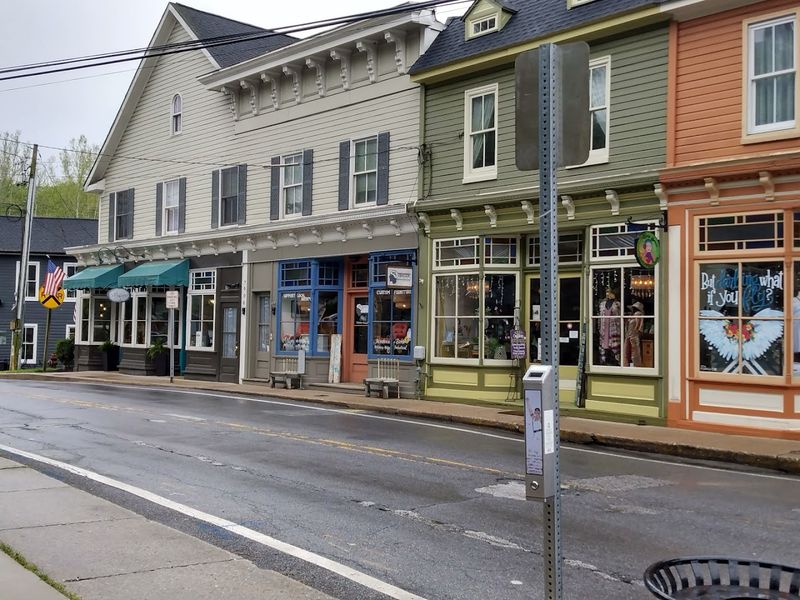
Some towns look like a movie set, and Sykesville is one of them.
The historic Main Street is so well-preserved that walking it feels like stepping back about a hundred years, except the coffee is excellent and the Wi-Fi works fine.
Sykesville sits along the Patapsco River in Carroll County, and it has managed to keep its small-town soul while adding just enough modern conveniences.
The local arts scene punches well above its weight for a town this size. Galleries, live music events, and a genuinely warm community calendar keep retired residents from ever feeling bored or isolated.
Housing costs here are noticeably lower than in nearby Baltimore suburbs, which makes the lifestyle feel almost unfairly good.
A two-bedroom home in a quiet neighborhood with tree-lined streets is absolutely achievable on a retirement budget. The town also sits close to major medical centers in Baltimore, so healthcare access is never a worry.
Neighbors actually wave at each other here. That sounds small, but after years in a busy city, it feels enormous.
Sykesville rewards the curious retiree who values beauty, community, and a front porch worth sitting on.
2. Chestertown
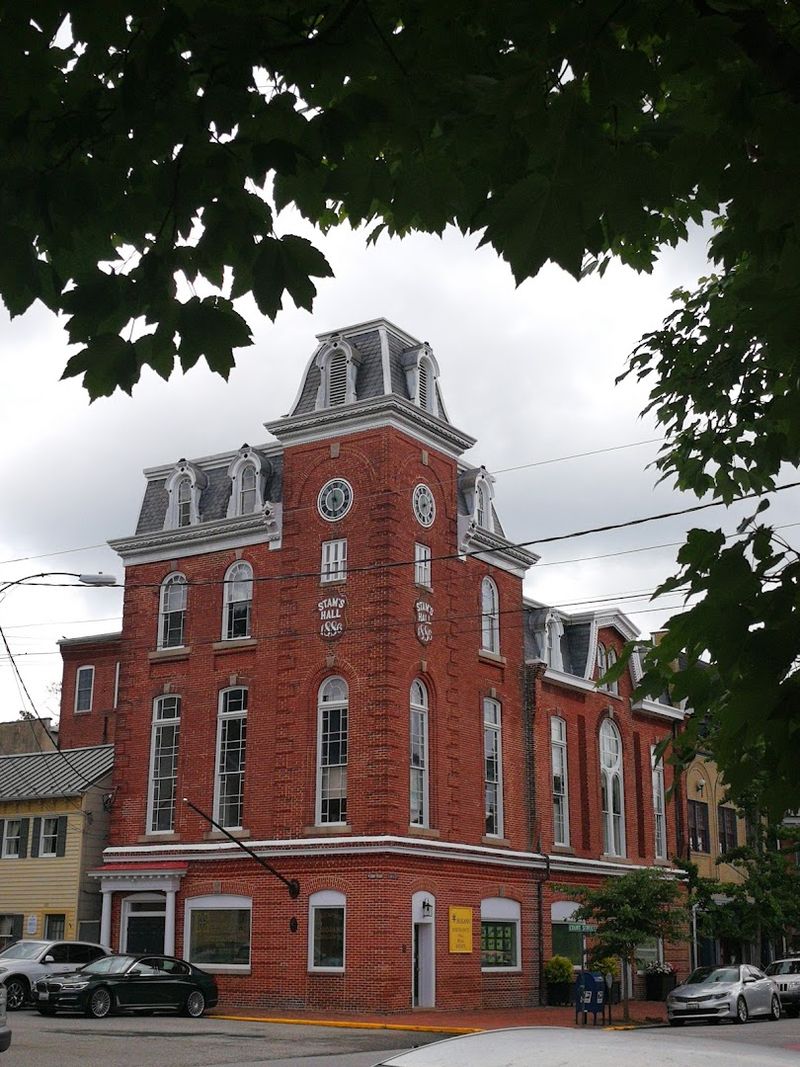
This is the kind of place where people visit for a weekend and start calling real estate agents by Sunday afternoon.
Sitting on the Chester River on Maryland’s Eastern Shore, this town has a colonial-era elegance that feels earned rather than manufactured.
Washington College calls Chestertown home, and that university energy keeps the town intellectually alive. Lectures, performances, and community events draw a curious crowd year-round.
Retirees who want mental stimulation alongside physical beauty will find both here without having to drive very far.
The farmers market is a genuine community gathering spot, not just a place to buy produce. People linger, catch up, and actually connect.
That social fabric is something many retirees say they miss most when they move somewhere new, and Chestertown seems to have preserved it naturally.
The town has also seen thoughtful growth in dining and local retail without losing its identity. Historic homes along High Street are still comparatively attainable relative to larger Mid-Atlantic markets.
The pace is slow by design, the river views are free every single day, and the community feels like it genuinely wants new neighbors to stick around for a long time.
3. Cumberland
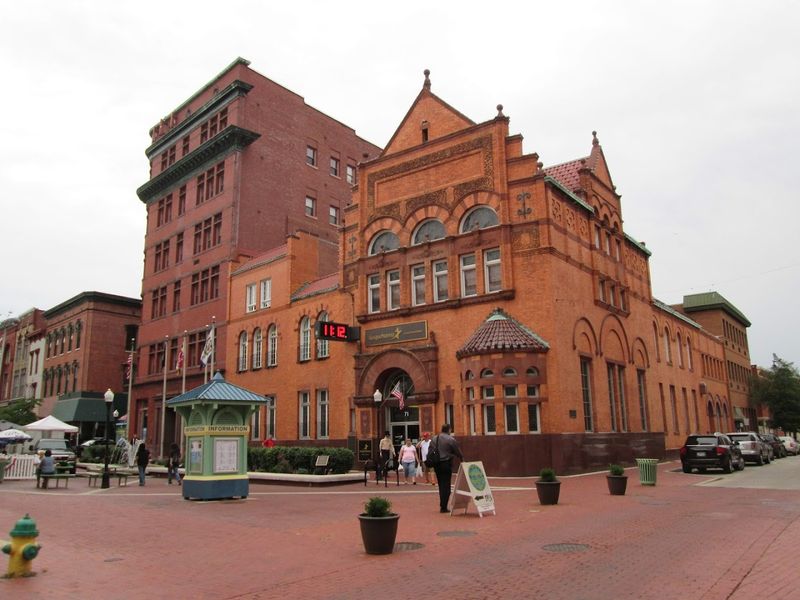
If you told me a mountain town in western Maryland had some of the most affordable real estate in the entire state, I would have asked why nobody was talking about it louder.
Cumberland sits in a river valley surrounded by the Allegheny Mountains, and the scenery alone is worth the conversation.
The Great Allegheny Passage trail begins here, making it a dream location for retirees who love cycling, walking, or simply being outdoors without fighting crowds.
The trail connects all the way to Pittsburgh, but most people are happy just exploring the local stretches. Fresh air and gorgeous ridge views are available on any given Tuesday morning.
Cumberland’s historic downtown has been experiencing a quiet revival, with local businesses, art spaces, and renovated architecture drawing new attention.
Home prices remain remarkably low compared to most of Maryland, which means retirement savings stretch further here than almost anywhere else in the state.
The cost of living overall is genuinely friendly to fixed incomes. Healthcare options have improved steadily, and the community has a proud, resilient character built over generations.
It is not trying to be trendy.
It is just being itself, and that authenticity is exactly what makes it worth a serious look from anyone planning their next chapter.
4. Cambridge
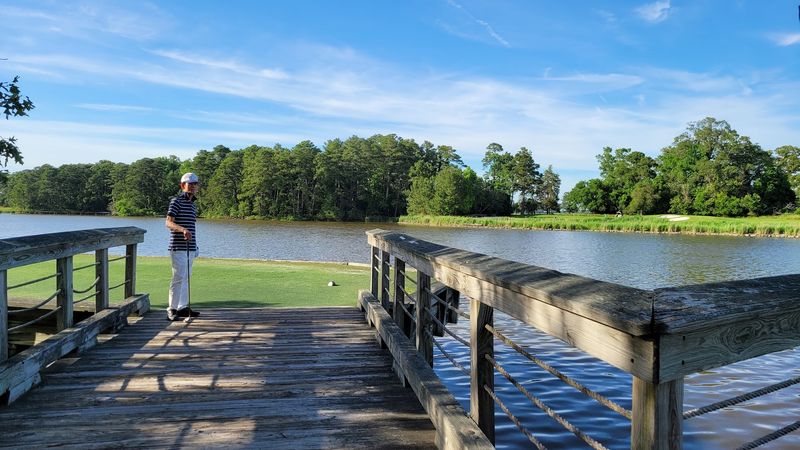
Cambridge has been sitting quietly on the Choptank River for centuries, and it is finally getting the recognition it deserves.
This Eastern Shore city blends waterfront living with a creative energy that feels fresh without being forced.
The arts district along Race Street has transformed what was once a sleepy stretch into a genuine destination. Local galleries, studios, and eateries have moved in, and the vibe is creative but unpretentious.
Retirees who want culture without the city price tag have noticed, and the population of newcomers has been growing steadily.
Boating, fishing, kayaking, and birdwatching are practically built into daily life here. The Blackwater National Wildlife Refuge is just a short drive away, and it is one of the most spectacular natural areas on the entire East Coast.
Spending a morning there watching eagles soar overhead is the kind of experience that reminds you why you chose a slower pace in the first place.
Housing in Cambridge is genuinely affordable, with waterfront options available at prices that would seem impossible in comparable coastal markets elsewhere.
The community is diverse, welcoming, and proud of its history. Cambridge is not trying to become the next big thing.
It already has everything it needs to be a very good place to live.
5. Havre De Grace
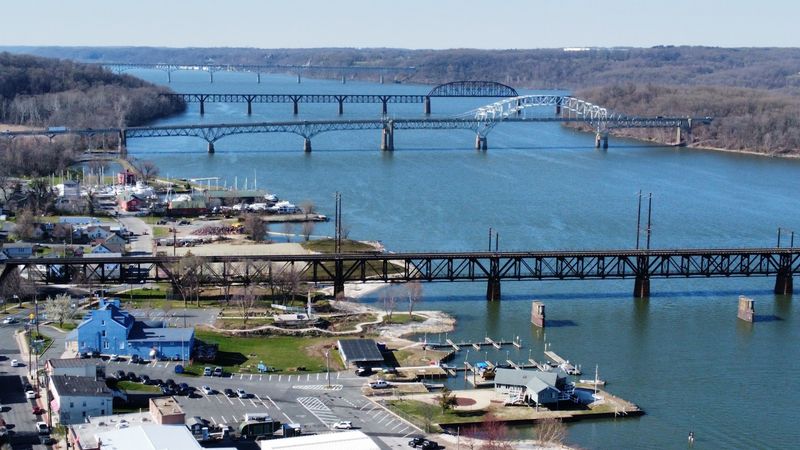
Havre de Grace has a name that sounds fancy and a lifestyle that absolutely delivers on the promise.
Perched where the Susquehanna River meets the Chesapeake Bay, this small city offers waterfront living at a scale that feels personal rather than overwhelming.
The promenade along the water is one of those places where you go for a twenty-minute walk and end up staying two hours.
Decoy carving has been a local tradition here for generations, and the Decoy Museum is genuinely fascinating even if you never expected to care about carved wooden ducks.
Small towns have a way of surprising you like that.
The historic downtown is filled with independent shops, good food, and the kind of street life that makes afternoons disappear pleasantly.
The community is tight-knit but openly welcoming to newcomers, which matters enormously when you are starting fresh somewhere new. Retirees consistently mention feeling at home here faster than they expected.
Home prices are moderate for a waterfront community, and the town has excellent access to Interstate 95, making it easy to reach Baltimore or Philadelphia for medical appointments or family visits.
Havre de Grace manages the rare trick of feeling both relaxed and connected at the same time, and that balance is genuinely hard to find anywhere else on the Bay.
6. Oakland
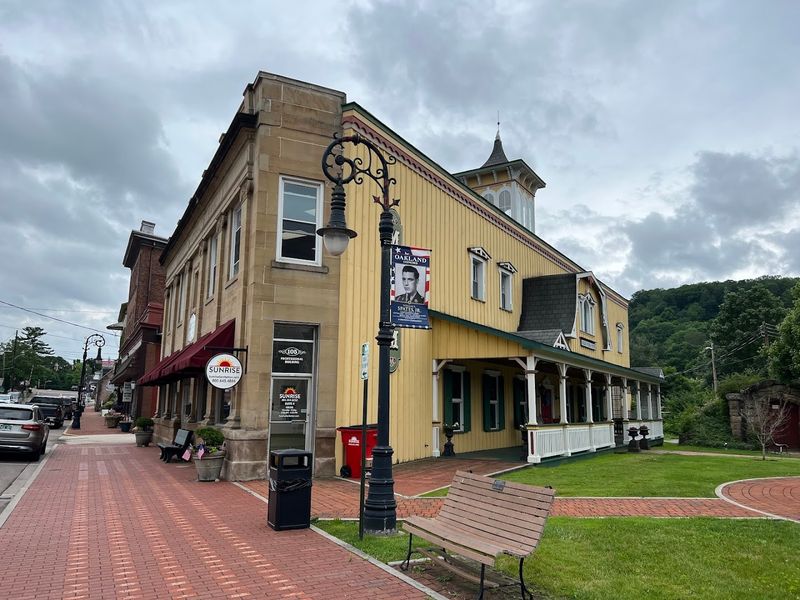
This is Maryland’s highest incorporated town, sitting up in Garrett County where the air is noticeably cooler and the views make you want to cancel all your plans and just stay.
Deep Creek Lake is just minutes away, and that alone puts Oakland on a very different retirement map.
Four real seasons are a feature here, not a complaint. Summers are genuinely mild, which is a gift when the rest of the East Coast is steaming through August.
Fall foliage in this part of Maryland is spectacular, the kind that makes people drive hours just to look at it. Oakland residents get that show every single year from their own backyard.
The town itself has a charming historic district, local dining, and a community feel that is refreshingly unhurried.
Outdoor activities are essentially endless, from hiking and fishing to cross-country skiing when winter arrives. For retirees who define a good life by time spent outdoors, Oakland makes a compelling case.
Real estate options range from cozy in-town homes to lakeside properties, covering a wide range of budgets.
The region has been attracting more attention from retirees seeking mountain living without heading out of state.
Oakland is proof that Maryland has a lot more going on than most people realize, and discovering it feels like a genuine reward.
7. Bel Air
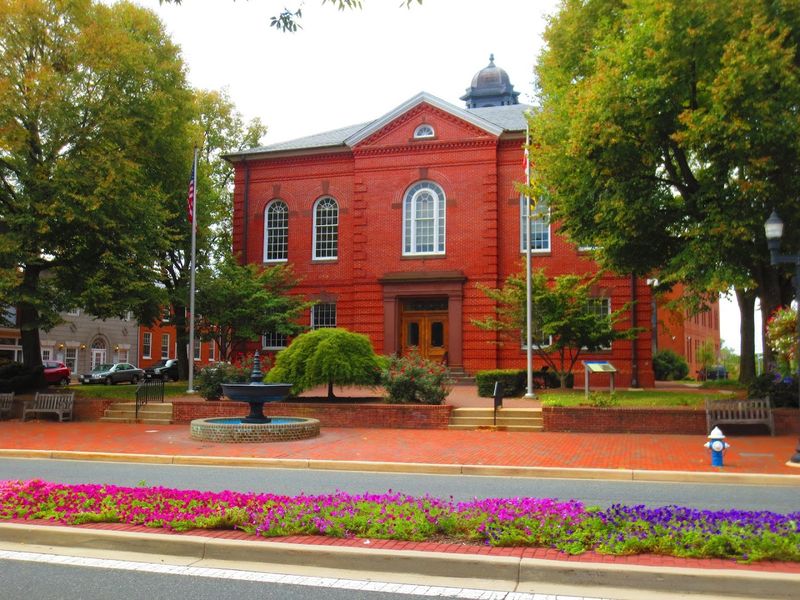
Bel Air is the kind of town that keeps showing up on best-of lists.
As the county seat of Harford County, it has the infrastructure of a larger city but the community feel of somewhere much smaller.
The Main Street corridor has been thoughtfully developed over the years, balancing local businesses with practical amenities that retirees actually need.
Medical facilities in and around Bel Air are excellent, which is always near the top of the priority list when choosing where to spend retirement. The University of Maryland Upper Chesapeake Health system serves the area well.
Parks and trails are woven throughout the town, making it easy to stay active without driving anywhere.
The Ma and Pa Heritage Trail is a favorite among walkers and cyclists and connects green space across the county in a genuinely satisfying way.
Bel Air also sits close enough to Baltimore for day trips without being caught up in city noise or cost.
Housing here covers a wide range, from affordable townhomes to comfortable single-family neighborhoods with mature trees and quiet streets.
The social calendar stays full with community events, farmers markets, and festivals that bring people together regularly.
Bel Air rewards retirees who want convenience, community, and a comfortable daily life without compromise.
8. Leonardtown
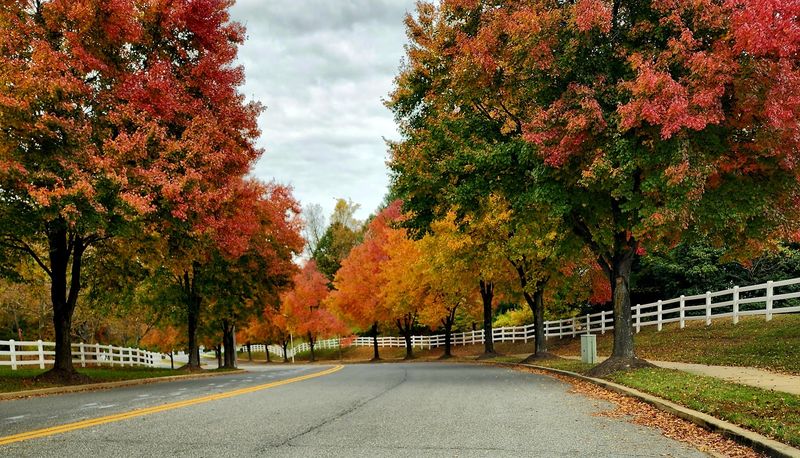
Leonardtown is the kind of place that earns loyalty fast. As the county seat of St. Mary’s County in southern Maryland, it carries a deep sense of history while somehow feeling completely current and alive.
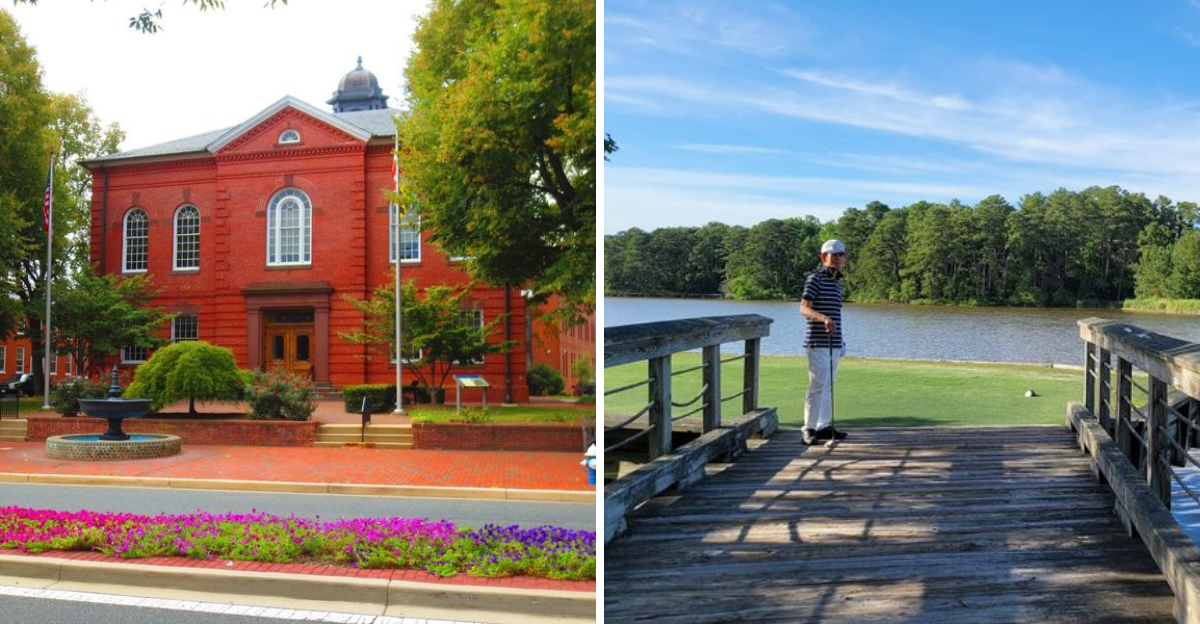
The town square is one of the most genuinely pleasant public spaces I have come across in the state.
Southern Maryland has a distinct culture, shaped by centuries of tobacco farming, Chesapeake Bay life, and a strong sense of place. Leonardtown reflects all of that without being a museum about it.
Local restaurants, boutiques, and community events keep the town square buzzing in a way that feels organic. People are proud of where they live here, and it shows in how the town is maintained.
The waterfront at Breton Bay is peaceful and accessible, offering boating and scenic views that never get old.
St. Mary’s County is also home to a strong naval presence at Patuxent River Naval Air Station, which brings stability and solid healthcare infrastructure to the region.
Home prices in Leonardtown remain reasonable for a waterfront-adjacent community with this much charm.
Retirees moving from Northern Virginia or the Washington suburbs often find the cost difference startling in the best way.
Leonardtown is not undiscovered, but it is still underappreciated, and that gap between quality and recognition is closing quickly.
9. Westminster
This town has the comfortable confidence of a town that has been doing things right for a long time and knows it.
As the Carroll County seat, it anchors a region known for rolling farmland, strong community values, and a downtown that actually functions as a gathering place rather than just a backdrop.
McDaniel College gives Westminster a steady cultural pulse.
Concerts, theater productions, and public lectures are part of the regular calendar, and the college community blends naturally with the broader town in a way that keeps things interesting.
For retirees who want intellectual engagement baked into their surroundings, that matters more than most people expect.
The historic downtown has been carefully maintained, with independent shops and local eateries filling Victorian-era storefronts that give the whole area a warm, grounded character.
Carroll County is one of the safer, more stable counties in Maryland, and Westminster reflects that with clean parks, well-kept neighborhoods, and a public library that is genuinely excellent.
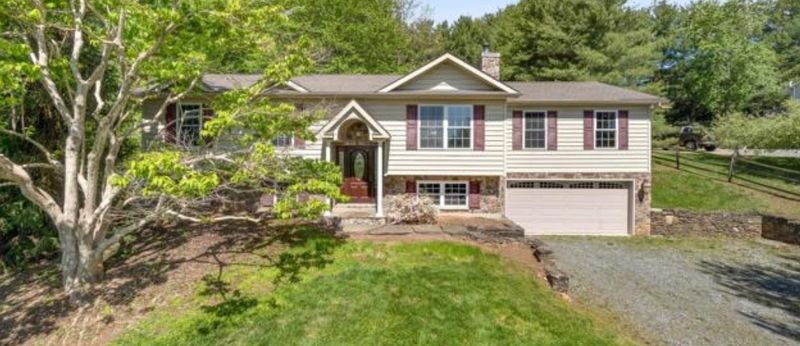
Housing costs are among the more reasonable in the greater Baltimore metro area, making it possible to own a real home with a yard and still have financial breathing room.
Westminster sits about an hour from both Baltimore and Washington, close enough for access without the noise. It is the kind of place where retirement actually feels like the reward it was always supposed to be.