This California Sanctuary Is A One-Of-A-Kind Place To Get Up Close With Rescued Exotic Animals
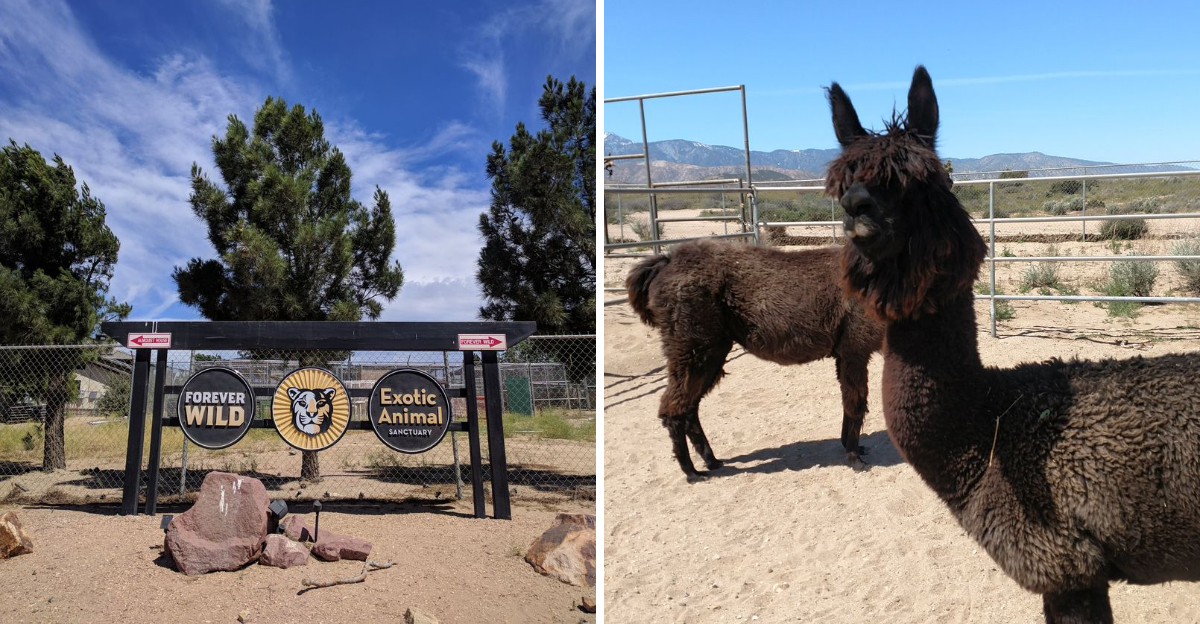
Under the wide open sky, the quiet feels uneasy rather than peaceful. Behind the stillness are animals that once lived in cages far too small, passed from owner to owner, or used for profit until they were no longer wanted.
Standing here, the reality of that past settles in quickly, and it is impossible to brush aside.
Forever Wild Exotic Animal Sanctuary exists to give those animals a different ending in California. Since 1995, the nonprofit refuge has taken in rescued big cats, reptiles, and other exotic creatures that suffered neglect, abuse, or abandonment.
Their scars may not always be visible, but their stories are carried in every slow movement and watchful stare.
The sanctuary does not hide those truths. Instead, it invites visitors to understand them. Walking the grounds brings moments of silence, reflection, and awe all at once.
Children begin to grasp why these animals never belonged in private hands. Adults confront the consequences of human decisions.
Forever Wild Exotic Animal Sanctuary offers more than close encounters. It offers perspective, empathy, and a reminder that compassion can still rewrite what once seemed irreversible.
1. A Sanctuary Born from Compassion
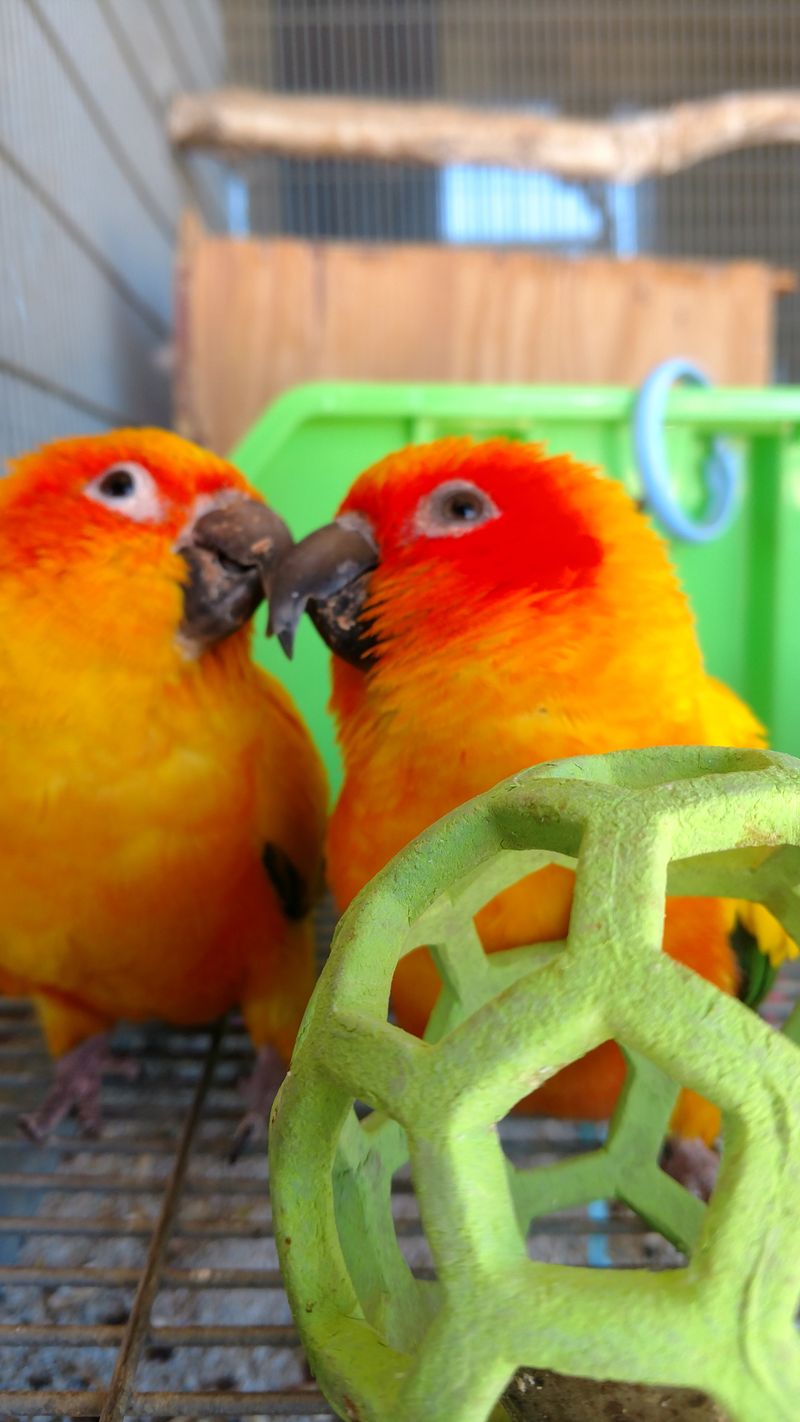
Joel and Chemaine Almquist started Forever Wild Exotic Animal Sanctuary in 1995 with a clear vision in mind.
Their goal centered on rescuing exotic animals that needed homes after being abandoned, surrendered, or kept in inadequate conditions.
The sanctuary sits at 8545 Buttemere Road, Phelan, CA 92371, where the high desert climate provides a suitable environment for many species.
Over nearly three decades, the couple transformed their property into a haven where animals receive proper nutrition, veterinary care, and spacious enclosures designed for their specific needs.
Each resident at the sanctuary comes with a unique backstory. Some animals arrived after private owners realized they couldn’t provide appropriate care, while others came from facilities that closed or faced financial difficulties.
The Almquists built the sanctuary on the principle that every animal deserves dignity and security regardless of its past circumstances.
Through their dedication, Forever Wild has grown into a respected rescue organization.
The sanctuary operates entirely through donations, admission fees, and community support, relying on the generosity of visitors and animal lovers.
Educational programs form a core part of the mission, helping guests understand why exotic animals belong in professional care rather than private homes.
2. Tigers And Lions Call This Home
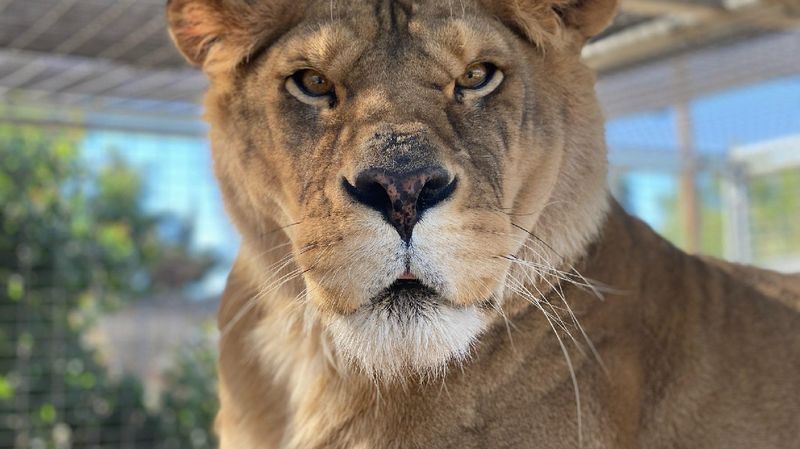
Big cats represent some of the most impressive residents at Forever Wild. Tigers and lions live in carefully designed habitats that allow them to exhibit natural behaviors while remaining safe and healthy.
Visitors can observe these powerful predators from secure viewing areas, watching them lounge in the sun, patrol their territories, or interact with enrichment items placed by staff.
Many of these cats arrived at the sanctuary after living in unsuitable conditions.
Private owners sometimes acquire big cats as cubs without understanding the commitment involved, leading to situations where adult animals need rescue.
Forever Wild provides these majestic creatures with permanent homes where they receive species-appropriate diets, regular veterinary checkups, and environments that respect their physical and psychological needs.
The sanctuary educates visitors about the challenges of keeping big cats in captivity.
Staff members share stories about individual animals during tours, explaining how each cat came to the facility and what makes their care so specialized.
These interactions help people appreciate the complexity of exotic animal ownership and the importance of supporting sanctuaries that can provide proper lifelong care for creatures that cannot be returned to the wild.
3. Smaller Wild Cats Add Variety
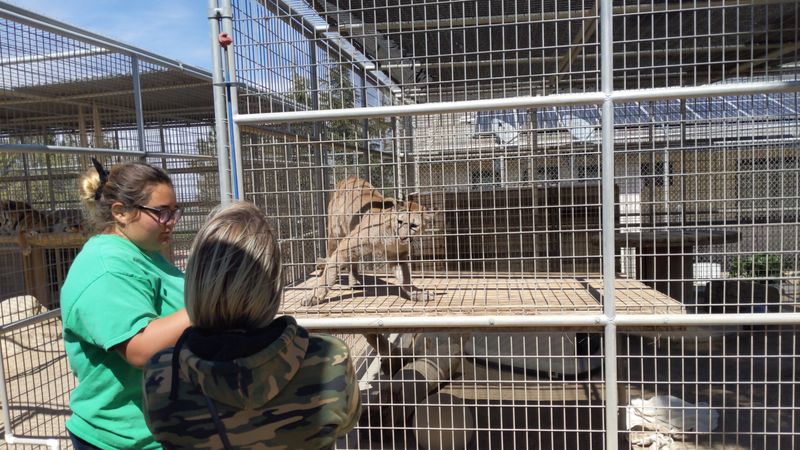
Beyond the massive tigers and lions, Forever Wild houses smaller wild cat species including servals, bobcats, and leopards. These medium-sized predators often surprise visitors with their beauty and agility.
Servals, with their long legs and large ears, come from African savannas and display remarkable hunting abilities even in captivity.
Bobcats represent North American wildlife and showcase the diversity of feline species that sometimes need rescue. Each species requires different care protocols and habitat designs.
Servals need vertical space for climbing and jumping, while bobcats prefer areas with hiding spots and elevated perches.
The sanctuary staff tailors each enclosure to match the natural preferences of its inhabitants, creating environments that promote physical health and mental stimulation.
Visitors often find these smaller cats particularly engaging during feeding demonstrations. Their personalities shine through as they interact with keepers and respond to enrichment activities.
Learning about species like servals helps people understand that exotic pet ownership extends far beyond big cats, with many medium-sized wild animals also ending up in sanctuaries after owners realize the challenges involved in their care and the legal restrictions that may apply.
4. Reptiles Receive Expert Attention
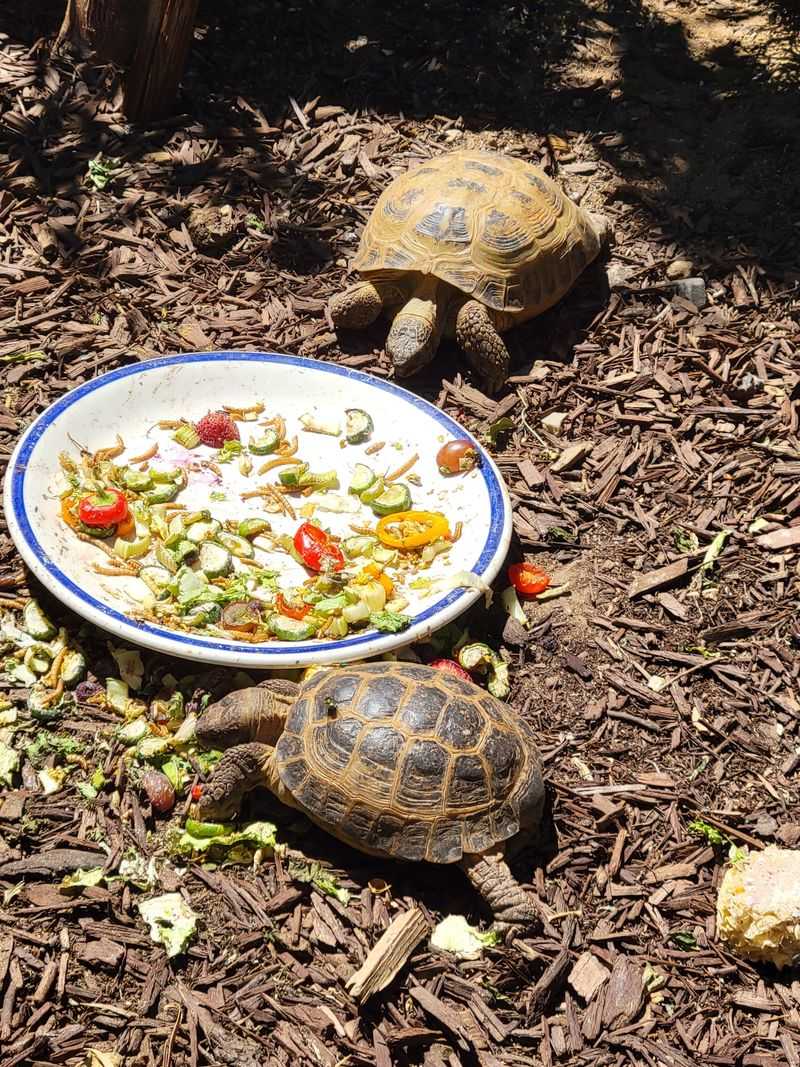
Reptile residents at Forever Wild include various species that require specialized knowledge to maintain properly.
Snakes, lizards, and other cold-blooded creatures need precise temperature gradients, appropriate humidity levels, and carefully planned diets to thrive.
The sanctuary provides these conditions while educating visitors about the complexities of reptile care that many casual pet owners underestimate. Many reptiles arrive at sanctuaries after growing larger than their owners anticipated.
Pythons that seem manageable as hatchlings can reach lengths that make them difficult to house and potentially dangerous without proper handling experience.
The sanctuary accepts these animals and provides them with appropriately sized enclosures where they can exhibit natural behaviors without posing risks to untrained individuals.
During visits, guests can observe reptiles in habitats designed to mimic their native environments. Staff members explain the specific needs of different species, from basking requirements to feeding schedules.
These educational moments help people understand why impulse purchases of exotic reptiles often lead to problems, reinforcing the sanctuary’s message about responsible animal ownership and the importance of researching any pet’s needs before bringing it home.
5. Extreme Feed Events Create Connections
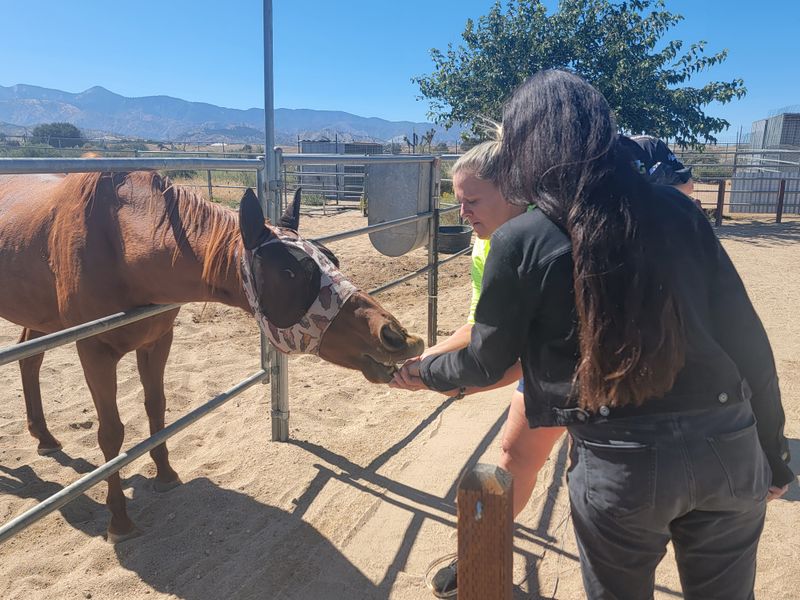
Forever Wild offers scheduled Extreme Feed events that allow visitors to participate directly in feeding certain sanctuary residents.
These carefully supervised experiences bring people closer to the animals while maintaining safety for both humans and creatures.
Participants follow specific instructions from trained staff members who explain proper techniques and animal behavior cues.
Feeding events serve educational purposes beyond the excitement of close animal encounters.
Guests learn about each species’ dietary requirements, natural hunting behaviors, and the costs associated with feeding exotic animals.
A single tiger can consume significant amounts of meat daily, and the sanctuary’s food budget represents a major operational expense that donation-supported organizations must constantly address.
These interactive experiences create memorable moments that strengthen visitors’ connections to wildlife conservation.
Watching a tiger take food or observing a smaller predator’s feeding response helps people appreciate these animals as living beings with specific needs rather than abstract concepts.
The sanctuary carefully balances these engaging opportunities with messages about why these animals should not be kept as pets, using positive experiences to deliver important educational content about exotic animal welfare.
6. Educational Programs Inspire Future Advocates
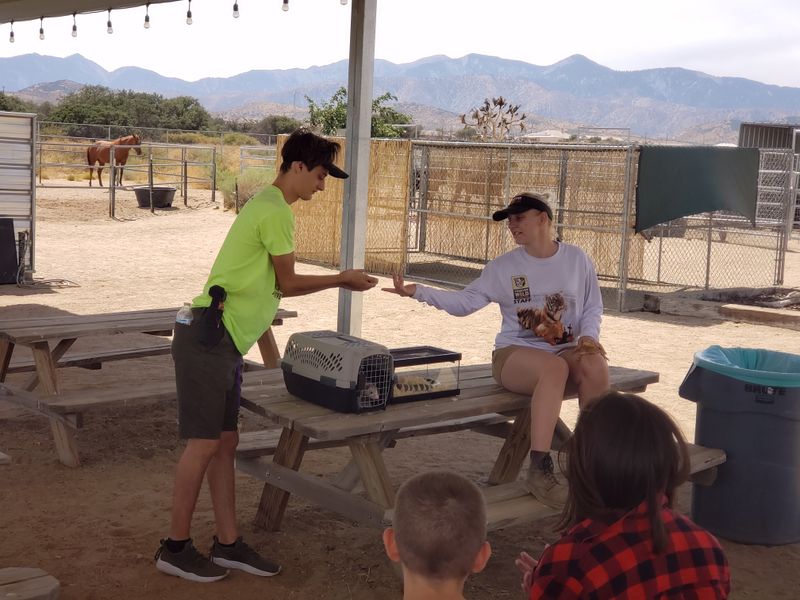
Forever Wild develops educational programs for schools, scout groups, senior organizations, and families interested in learning about wildlife conservation.
These structured experiences go beyond casual visits by providing age-appropriate information about animal behavior, habitat needs, and the ethical considerations surrounding exotic animal ownership.
Trained educators lead groups through the sanctuary while sharing detailed information about resident animals and conservation challenges.
School groups particularly benefit from these programs, which align with science curriculum standards and provide hands-on learning opportunities.
Students observe animal adaptations, discuss ecosystem roles, and explore the consequences of wildlife trafficking and irresponsible pet ownership.
The sanctuary creates lesson plans and activities that teachers can integrate into their broader educational goals, making each visit a meaningful learning experience rather than simple entertainment.
These programs help develop the next generation of wildlife advocates by fostering respect and understanding for animals.
Young visitors who learn about conservation challenges at Forever Wild often carry those lessons into adulthood, potentially influencing future decisions about pet ownership, habitat protection, and support for animal welfare organizations.
The sanctuary views education as essential to its mission, believing that informed communities make better choices regarding wildlife.
7. Volunteer Opportunities Welcome Dedicated Helpers
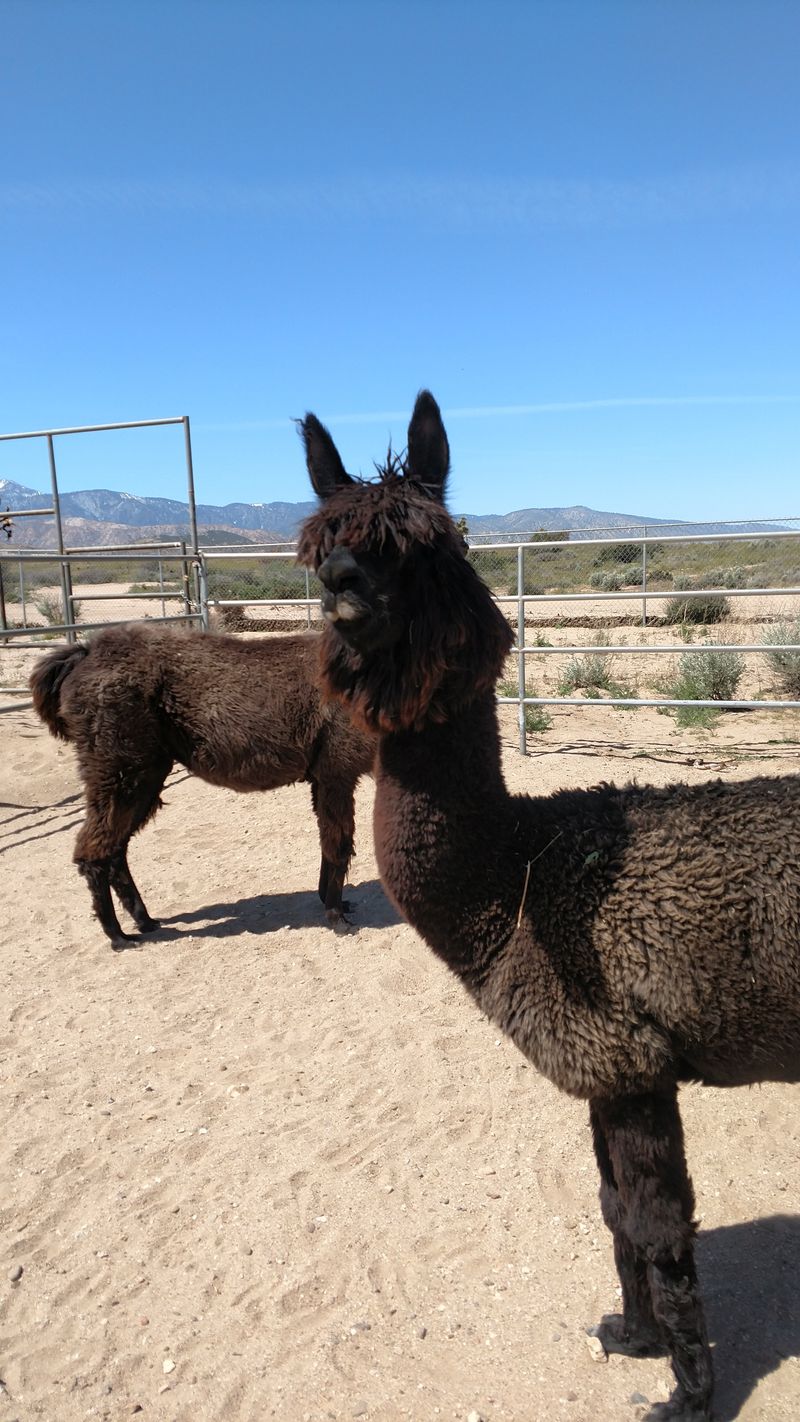
Individuals aged 18 and older can apply to volunteer at Forever Wild, particularly those pursuing careers in animal studies, veterinary medicine, or wildlife conservation.
Volunteers contribute essential labor that helps the sanctuary maintain high care standards for its residents.
Tasks range from preparing food and cleaning enclosures to assisting with educational programs and facility maintenance projects.
The volunteer program provides valuable hands-on experience for people interested in animal care careers.
Working alongside experienced staff members, volunteers learn proper safety protocols, animal behavior observation techniques, and the daily routines required to maintain a sanctuary.
This practical knowledge supplements academic learning and helps individuals determine whether exotic animal care aligns with their career goals.
Beyond the educational benefits, volunteers form a community of like-minded individuals passionate about animal welfare.
The sanctuary relies on this dedicated group to accomplish tasks that paid staff cannot handle alone, making volunteers integral to the organization’s success.
People who commit time to Forever Wild often describe the experience as rewarding and transformative, providing perspective on the realities of animal rescue work and the dedication required to maintain a sanctuary.
8. Desert Location Shapes The Experience
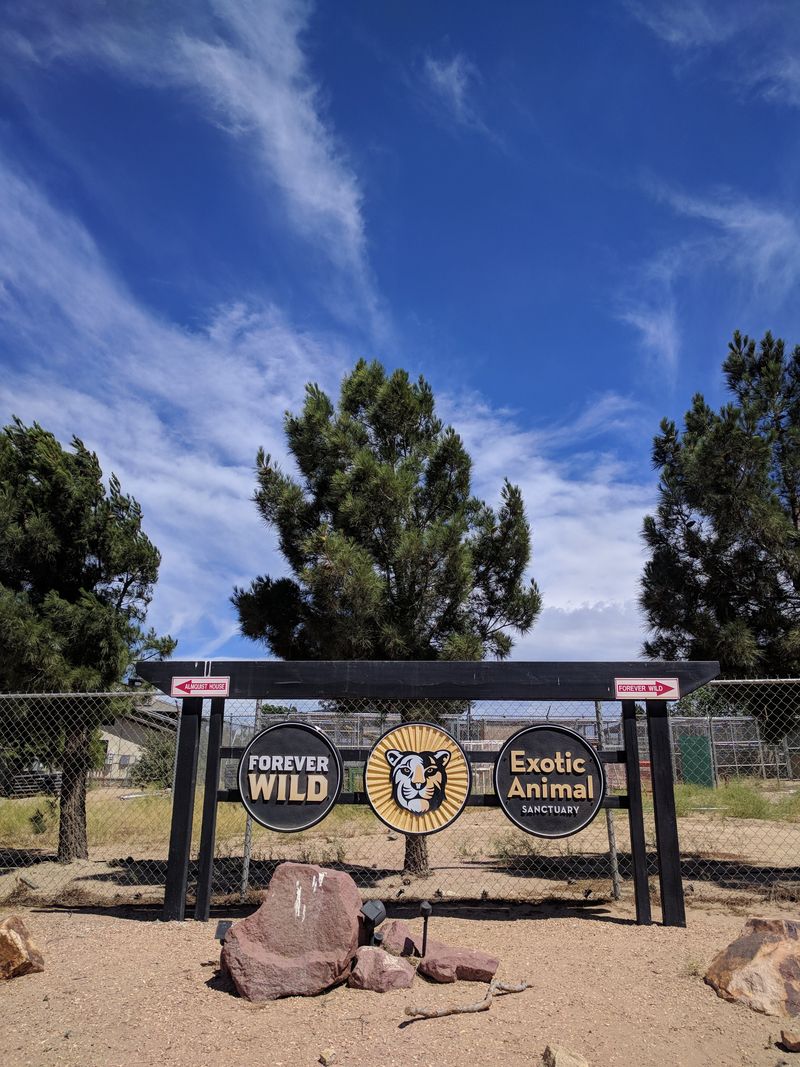
The sanctuary’s location in Phelan places it in California’s high desert region, about 90 miles northeast of Los Angeles.
Visitors travel along a 1.3-mile dirt road to reach the facility, an approach that adds adventure to each visit while also presenting occasional challenges.
During rainy periods, the road can become difficult to navigate, and the sanctuary recommends calling ahead to check conditions before making the trip. High desert climate provides certain advantages for exotic animal care.
The warm, dry conditions suit many species better than coastal humidity, and the spacious property allows for larger enclosures than would be possible in more developed areas.
The natural landscape creates an authentic backdrop for animal habitats, helping visitors imagine how these creatures might exist in wild settings. The remote location also means visitors should plan accordingly.
Bringing water, sun protection, and appropriate footwear makes the experience more comfortable, especially during summer months when desert temperatures climb significantly.
The sanctuary’s setting reinforces its mission by demonstrating that proper exotic animal care requires space, resources, and commitment that most private individuals cannot provide in typical residential settings.
9. Operating Hours And Admission Details
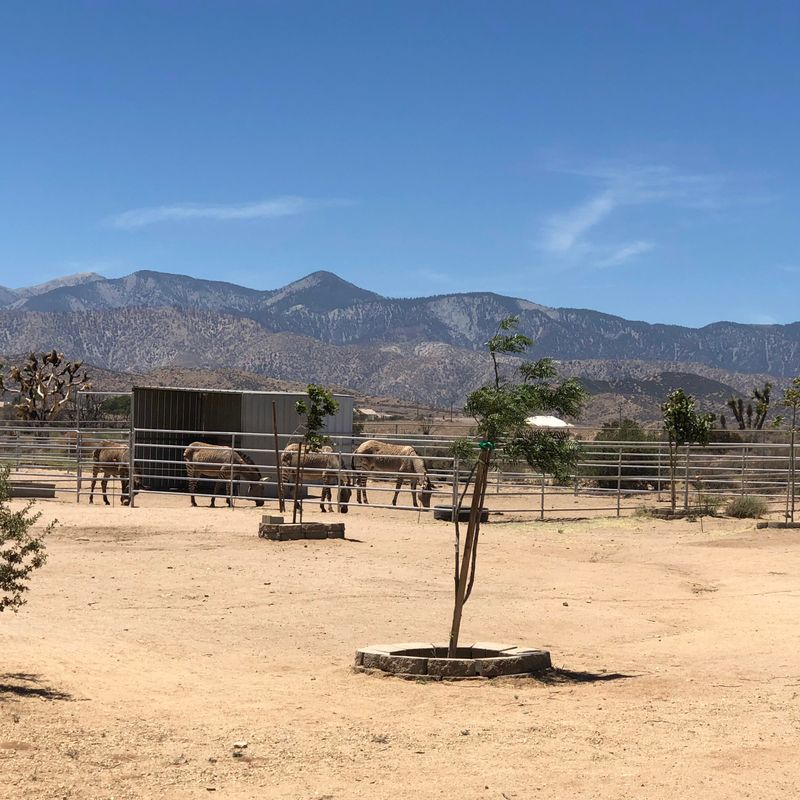
Forever Wild operates on a specific schedule that balances visitor access with animal welfare needs. The sanctuary opens from 12:00 PM to 5:00 PM on Sundays through Fridays, and from 10:00 AM to 4:00 PM on Saturdays.
These hours allow staff to complete morning care routines before guests arrive, ensuring animals receive proper attention before public viewing begins.
Admission fees help support the sanctuary’s operations and animal care costs. Adults pay $15, seniors pay $12, and children aged 3 to 12 pay $10, with children under 3 entering free.
These prices remain affordable for families while contributing to the significant expenses involved in feeding, housing, and providing veterinary care for exotic animals.
Every admission ticket directly supports the sanctuary’s mission and helps ensure resident animals receive quality care.
Visitors should verify current hours and any special closures by calling the sanctuary at (760) 868-2755 before traveling.
Weather conditions, special events, or unforeseen circumstances can occasionally affect operations.
Planning ahead ensures families make the most of their visit and avoid disappointment from unexpected closures, particularly important given the drive required to reach the remote location.
10. Community Recognition And Support
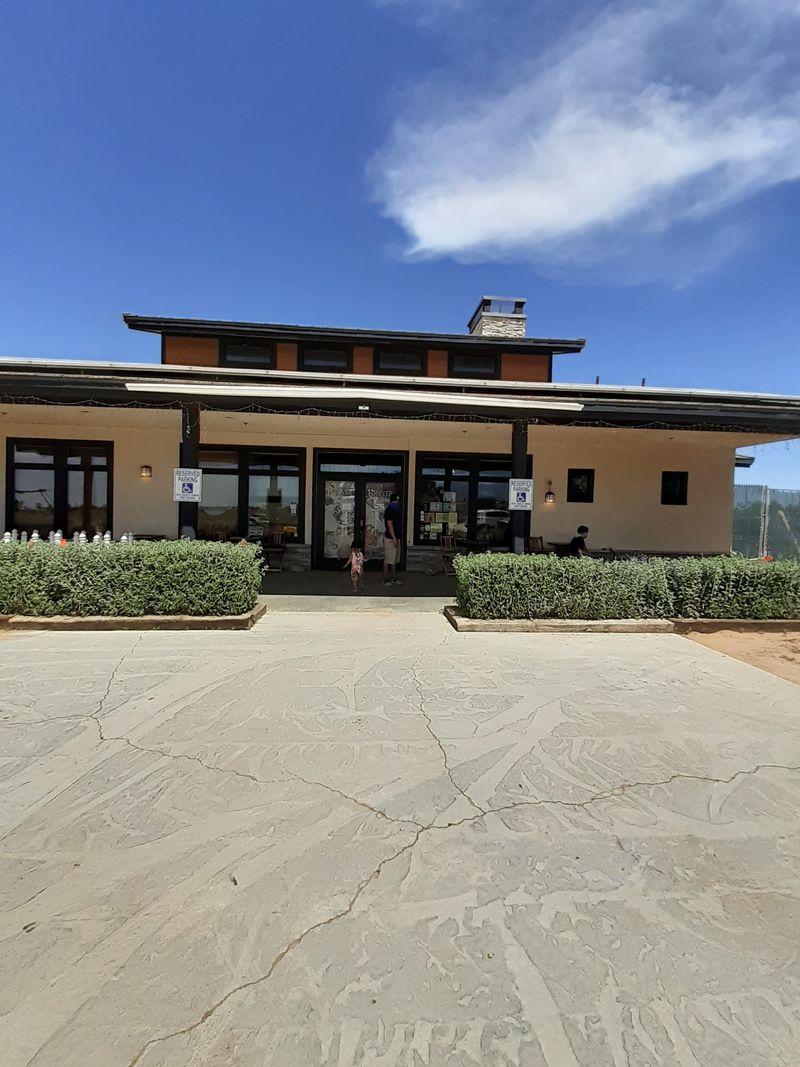
Forever Wild has earned recognition within its local community and beyond for its conservation work and educational contributions.
The sanctuary received acknowledgment in the Best Family Amusement category during the Daily Press’s Best of the Desert competition in 2022, reflecting its appeal as a family destination that combines entertainment with learning.
Such recognition helps raise awareness about the sanctuary’s mission and attracts new visitors who support its work through admission fees and donations.
The sanctuary participates actively in local events including Phelan Phun Days and Safe Halloween celebrations.
These community connections strengthen relationships with neighbors and introduce the sanctuary to people who might not otherwise learn about its work.
By engaging with the broader community, Forever Wild builds a network of supporters who understand the importance of exotic animal rescue and the ongoing needs of sanctuary operations.
As a nonprofit organization, Forever Wild depends entirely on community support to continue its mission. Donations, whether monetary or in the form of supplies and services, directly impact the quality of care animals receive.
Visitors can contribute by attending events, becoming members, volunteering time, or making financial gifts that help cover food costs, veterinary expenses, and facility improvements that benefit resident animals.