This Connecticut Farm Lets You Stock Up On Grass-Fed Beef, Pork And Chicken Straight From The Source
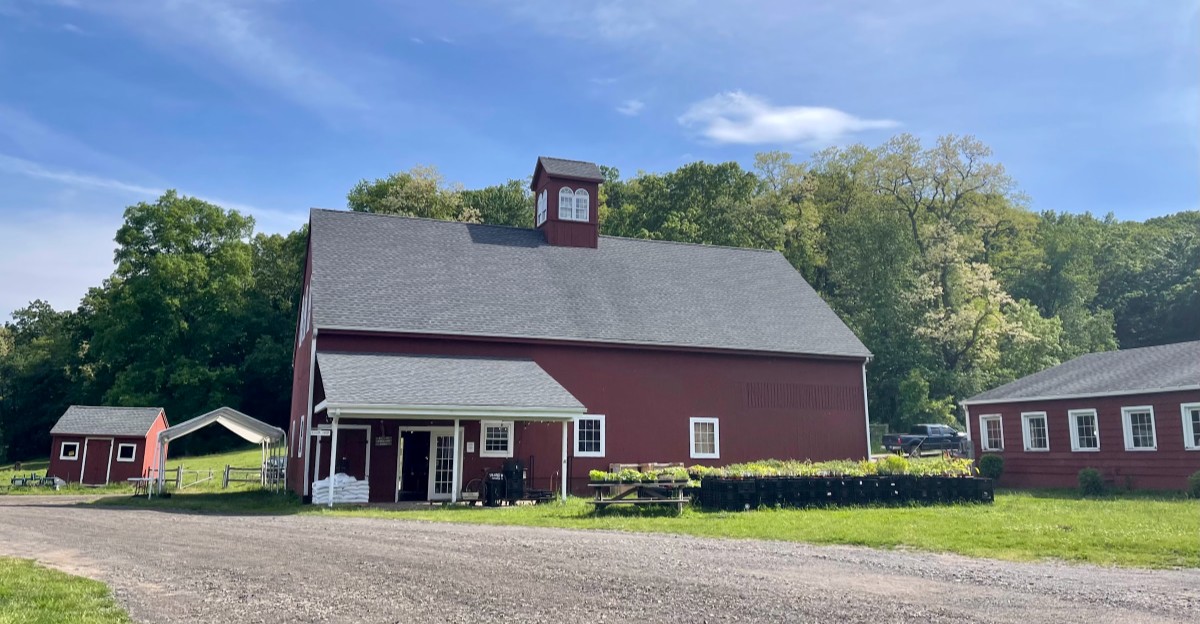
Buying meat feels a little different when you can see exactly where it comes from. Instead of tossing another anonymous package into the cart, you are shopping much closer to the beginning of the story.
This Connecticut farm gives customers a direct way to stock the freezer with grass-fed beef and other locally raised meats.
That alone can make the weekly grocery routine feel less routine. You know who raised the animals, and the distance between farm and dinner table suddenly gets a whole lot shorter.
There is also something deeply satisfying about opening the freezer later and realizing dinner is already handled. No last-minute supermarket dash required.
For anyone who likes knowing more about their food, buying straight from a working farm offers a connection ordinary grocery aisles simply cannot provide.
The freezer may be fuller afterward, but the real bonus is knowing exactly where all those future dinners began.
1. Pasture-Raised Meats Come Straight From The Farm
Want to know where dinner actually came from? Here, you can.
Sub Edge Farm raises its own beef, pork, and poultry, giving shoppers a direct connection to the people and land behind their food.
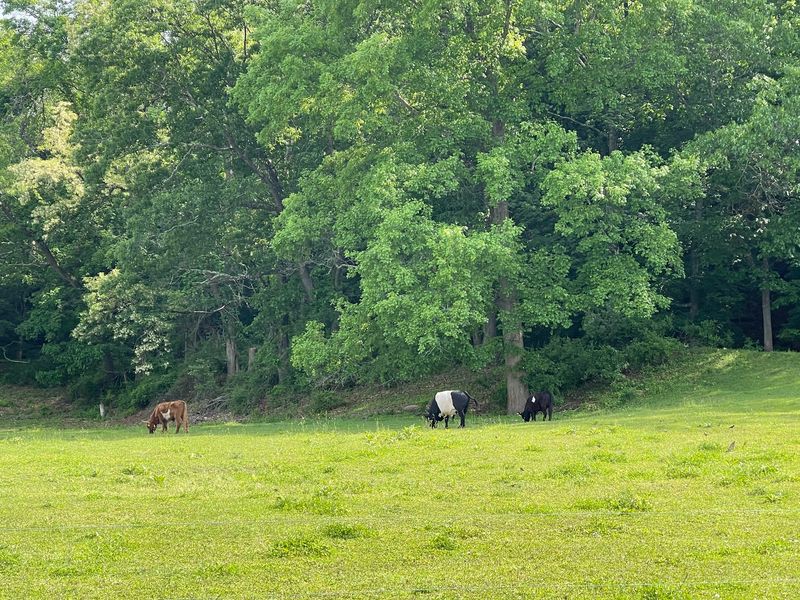
The differences begin out in the fields. Belted Galloway cross cattle eat 100% grass and rotate onto fresh pasture, while Berkshire hogs spend their days around pasture and woodland.
Chickens also live outdoors, moving regularly with their mobile coop and foraging across the farm.
Those practices make shopping here feel refreshingly straightforward. The farm’s USDA-inspected meats are sold as individual cuts directly through the farm shop, so customers can stock up without wondering how the animals were raised.
Pork, poultry, and grass-fed beef share the shop with vegetables, fruit, flowers, herbs, eggs, and other products grown or raised on the property.
Farmers Isabelle and Rodger Phillips run the operation with their family, using organic methods for their crops and emphasizing careful, sustainable farming practices.
The farm shop welcomes visitors at 199 Town Farm Road in Farmington. Current hours are Tuesday through Saturday from 10 a.m. to 6 p.m. and Sunday from 10 a.m. to 3 p.m., with Monday closed.
For shoppers used to anonymous supermarket packages, buying meat this close to its source makes the weekly grocery run feel completely different.
2. Farmington Farmland Sets The Rural Scene
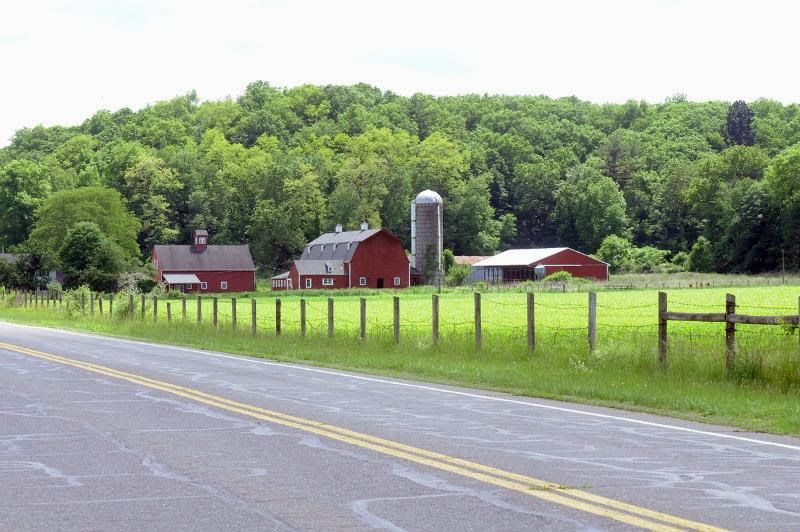
The scenery changes fast here. Busy roads give way to open fields, grazing animals, and long stretches of farmland that make the city feel much farther away than it really is.
Sub Edge Farm spreads across roughly 300 acres in Farmington and Avon, creating plenty of room for crops and livestock.
Its landscape has a story that reaches back thousands of years. Retreating glaciers left behind rich alluvial soils, and the Tunxis people later farmed along the river.
The property passed through several owners over the centuries, eventually operating as a dairy farm during much of the 20th century.
Today, Isabelle and Rodger Phillips continue that agricultural tradition with their family. About 10 acres are devoted to vegetables, fruits, flowers, and culinary herbs, while the larger property supports heritage-breed pigs, pasture-raised poultry, and 100% grass-fed cattle.
Crops are grown using organic methods, with sustainable practices guiding the operation.
The setting makes grocery shopping feel more like a countryside outing, especially when flowers are blooming and animals are visible across the fields.
Visitors can stop at the farm shop at 199 Town Farm Road in Farmington.
With so much working farmland surrounding it, even a simple food run comes with a refreshing change of scenery.
3. The Farm Shop Makes Buying Direct Easy
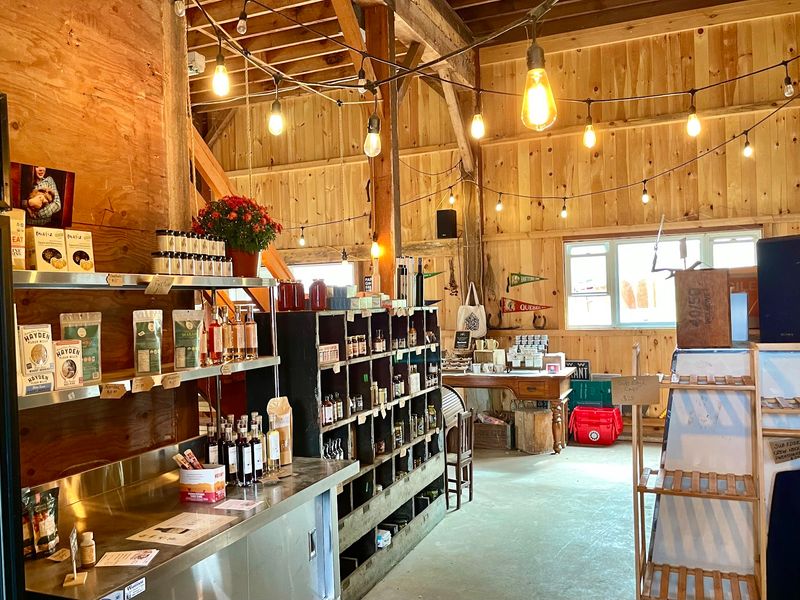
Everyone is welcome. No membership or appointment is required, and the shelves are filled with goods grown and raised nearby.
Hours run Tuesday through Saturday from 10 AM to 6 PM and Sunday from 10 AM to 3 PM, with Monday closed. Checking ahead before a long drive is always smart, since farm schedules can shift with the seasons.
Inside, the shelves mix the farm’s own meats, eggs and seasonal vegetables with breads, baked goods, honey, cheeses, sauces and other items from regional producers. Shoppers frequently mention discovering a vegetable variety they had never cooked before, which is half the fun.
Beyond the shop, the farm runs a Community Supported Agriculture program with weekly shares during the growing season, and it supplies produce to local restaurants and schools. Members talk about pickup day like a small weekly ritual rather than a chore.
A few practical tips help. Bring your own bags or a cooler if you are buying frozen meat, come earlier in the week for the fullest selection of certain items, and budget a little extra time to browse.
Many visitors note how friendly and knowledgeable the people behind the counter are.
4. Cattle Graze On One Hundred Percent Grass
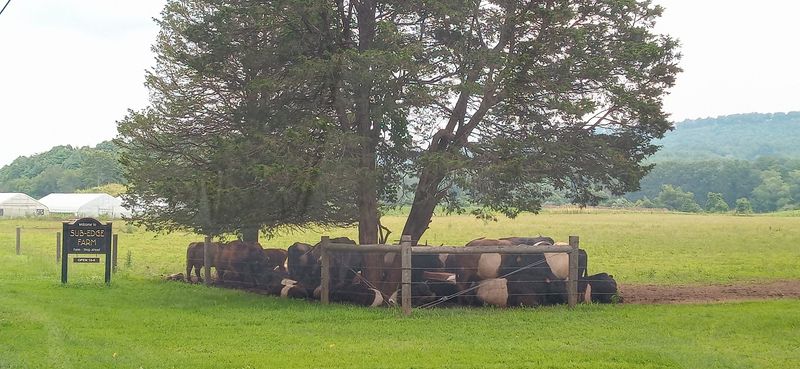
Belted Galloway crosses are hard to miss. The breed wears a wide white band around a dark body, which makes the herd look like a row of oreo cookies scattered across a green hillside.
These cattle eat grass and nothing else. Fresh pasture carries them through the warm months, and hay cut from the same land feeds them through winters, so grain never enters the picture.
Rotational grazing keeps the system working. The herd moves regularly to new sections of pasture, giving grazed areas time to rest and grow back thicker than before.
The animals do real work while they eat. Hooves aerate the soil, manure returns nutrients naturally, and the rest periods let root systems deepen, which helps the land hold water and carbon.
For cooks, grass-fed beef behaves a little differently than grain-finished. It tends to be leaner, so lower heat, shorter cooking times for steaks, and a proper rest before slicing usually give the best results.
Slow methods shine too. Chuck roasts, shanks and short ribs turn tender in a braise, and ground beef from grass-fed cattle carries a full, distinctly beefy flavor that stands up well in chili or a simple burger.
5. Berkshire Hogs Roam Pasture And Woodlands
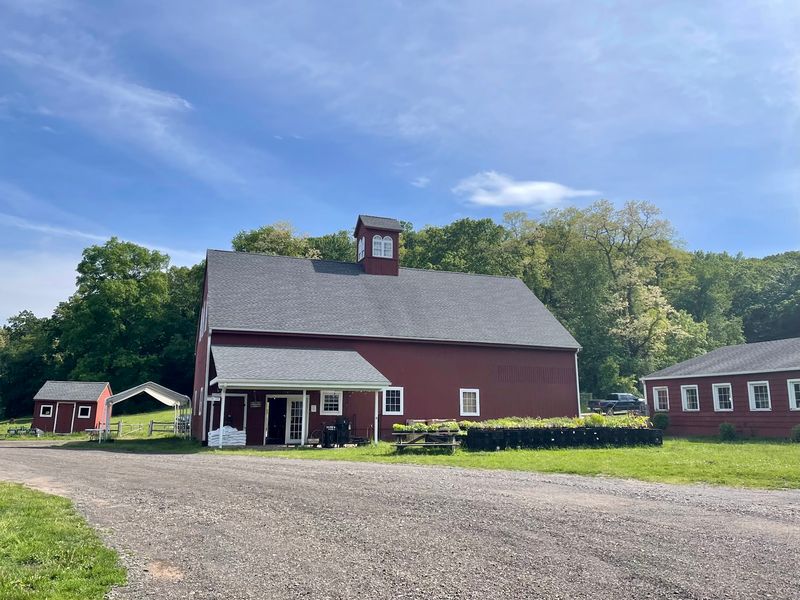
Pigs are natural excavators, and the heritage Berkshires here get to act like it. They range along the forest edge, where open pasture meets trees, digging for roots and insects the way pigs have done for thousands of years.
That freedom matters. A hog with room to move, shade to rest in and soil to turn over lives a fuller life than one kept indoors, and the difference shows up in the meat.
Their diet combines foraging with grain and food scraps from the farm itself, which cuts waste and feeds the animals at the same time. It is a tidy loop.
Berkshire pork has a reputation among cooks for rich marbling, a darker color and a tenderness that holds up even when you slightly overshoot the cooking time. Chops, roasts and sausage all benefit from that extra fat.
If you are new to it, try a bone-in chop cooked gently and pulled from the heat while still juicy inside. A shoulder roast handled low and slow is another reliable win for feeding a crowd.
The farm has also hosted hands-on sausage-making sessions in the past, an unusually fun way to learn where dinner actually comes from.
6. Chickens Spend Their Days Out On Pasture
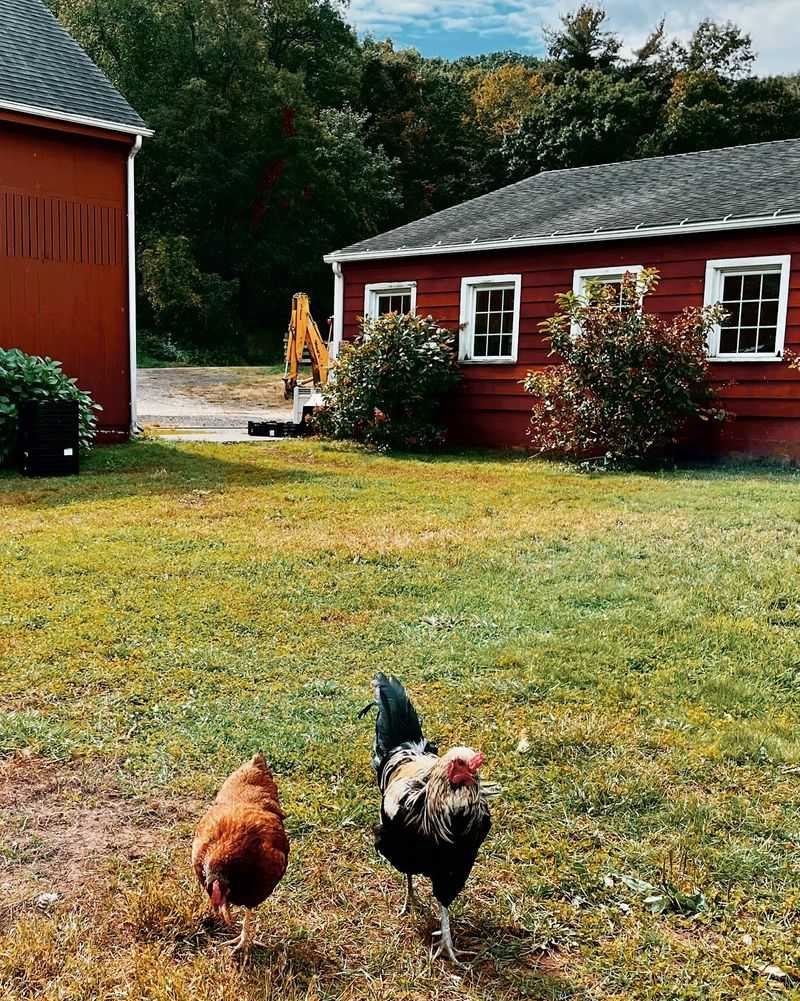
These chickens get to roam. Really roam.
At Sub Edge Farm, laying hens spend their adult lives on pasture, where scratching for bugs and exploring fresh ground are simply part of the routine.
The farm moves both the birds and their mobile coop frequently, giving the flock new areas to forage. At night, the hens return to a shelter where they can roost safely, while livestock guardian dogs help protect them from predators.
Pasture supplies most of the laying hens’ diet, according to the farm. Their foraging is supplemented with non-GMO grain and food scraps produced on the property, adding another practical connection between different parts of the operation.
Poultry is only one piece of the bigger picture here. Sub Edge also raises 100% grass-fed Belted Galloway cross cattle and Berkshire hogs, while growing vegetables, fruits, flowers, and culinary herbs using organic methods.
The farm raises both pasture-raised broiler chickens and laying hens, and its USDA-inspected meats are sold directly to customers as individual cuts.
For shoppers accustomed to picking up chicken without knowing much about its source, seeing how poultry is raised here adds a much clearer story to what eventually reaches the kitchen.
7. Vegetables And Eggs Round Out The Farm Haul
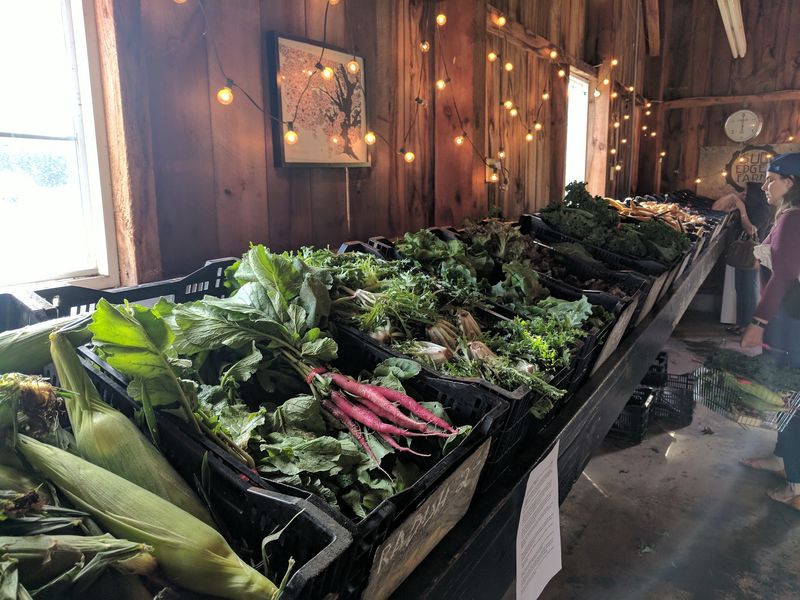
Meat may be the headline, but the vegetable list is genuinely impressive. Ten acres of certified organic ground produce more than 150 varieties of vegetables, fruits, flowers and culinary herbs over the course of a season.
Arugula, beans, broccoli, carrots, peppers and tomatoes all show up, along with plenty of less common varieties that give the shop a rotating, treasure-hunt quality. What is available in June looks nothing like what fills the crates in September.
Heritage breed laying hens supply eggs with deep golden yolks, a direct result of all that time spent foraging outdoors. Crack one next to a supermarket egg and the color difference is obvious.
CSA members receive weekly shares through the growing season, which is a good fit for households that enjoy cooking whatever arrives rather than planning every meal in advance. Shoppers who prefer flexibility can simply buy what looks best on a given day.
A useful habit is to shop first and plan dinner second. Skip the rigid list, choose whatever looks freshest, and build your meals around those finds.
Flowers and herbs are worth a look as well, since a bunch of either brightens a kitchen table considerably.
8. Sustainable Farming Shapes Everything Grown Here
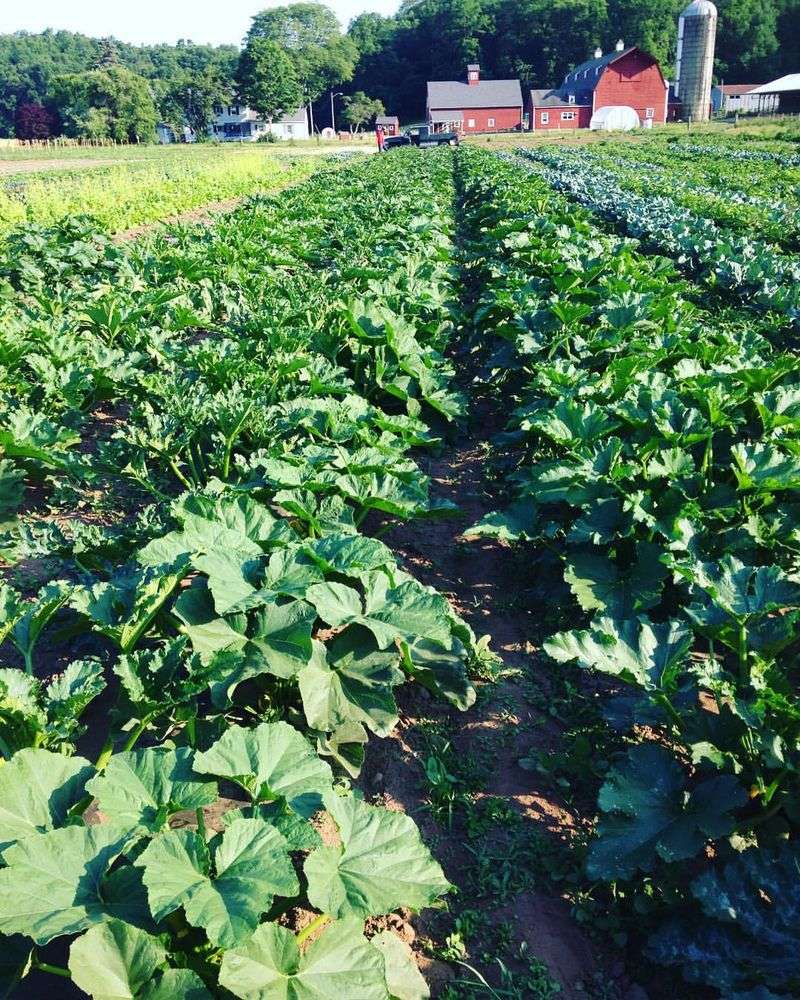
Certified organic is the baseline, not the finish line. The whole operation is built around soil health, biodiversity and long-term care of the land rather than squeezing the most out of a single season.
Cover crops play a quiet but essential role. Planted between cash crops, they protect bare ground from erosion, feed soil life and add organic matter back into the field.
Livestock fit into the same picture. Rotational grazing spreads manure evenly, prevents overgrazing and keeps pastures productive, so animals and crops support each other instead of competing.
The goal is regeneration, meaning the land should be in better shape year after year. Healthier soil holds more water, resists drought better and requires fewer outside inputs over time.
For shoppers, this translates into something simple and reassuring. Food comes from a system designed to keep working for decades, and the people growing it are happy to explain how.
Supporting a farm like this also keeps working farmland in a fast-growing part of Connecticut. Every purchase helps hold those fields in agriculture rather than letting them disappear.
Visit once and you will likely understand why so many people turn it into a weekly stop.