This Nebraska Barn Starts Total Beginners On Patient Lesson Horses And Teaches Real Horsemanship
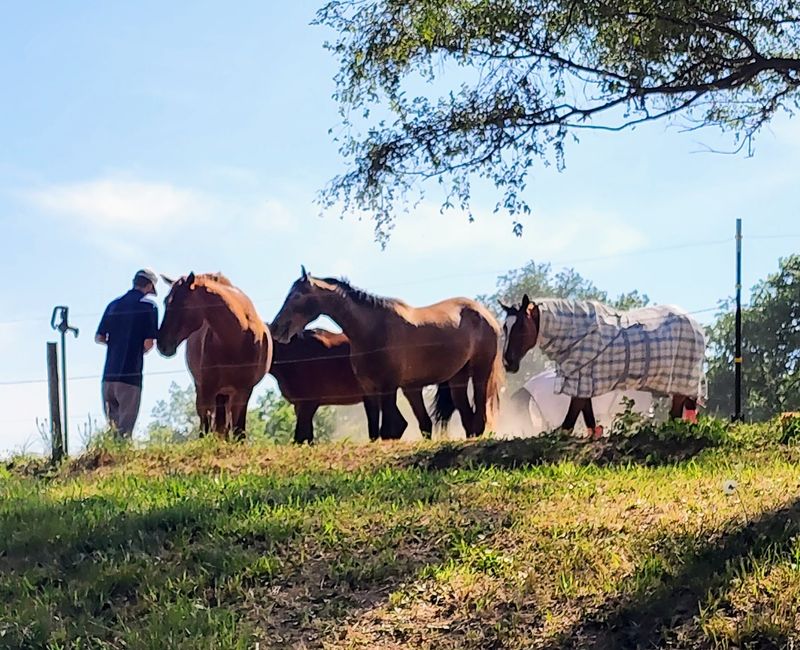
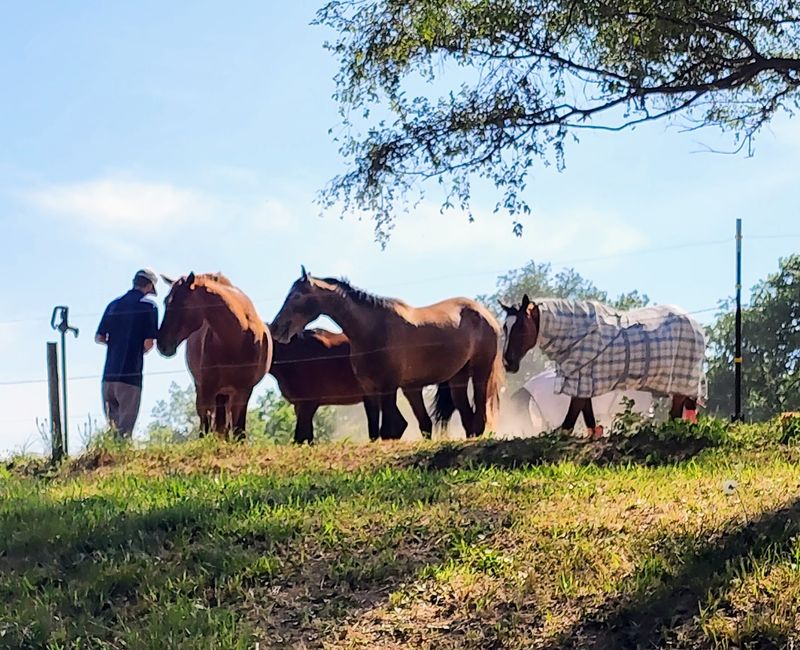
The gravel road in eastern Nebraska doesn’t promise much, just fence line and pasture and the kind of quiet that makes you check your directions twice. Then a barn comes into view, horses grazing behind board fencing, and you realize this is an actual working stable rather than a pretty roadside picture.
Inside, a kid who has never touched a horse is learning how to hold a lead rope, and an adult who swore she was too old for this is trotting circles in an indoor arena. Turns out the place looks plain from the driveway and teaches something a lot deeper than riding.
A Working Stable on the Edge of Sarpy County
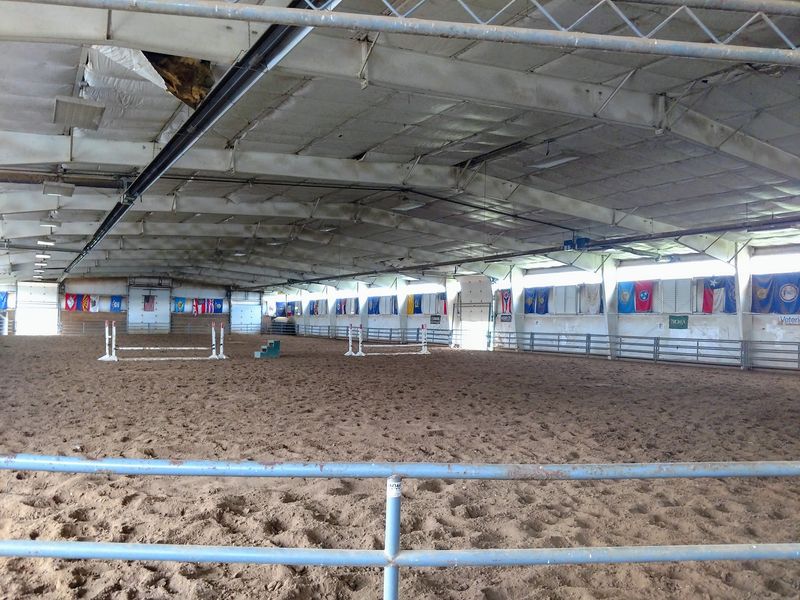
Board fencing runs along a pasture where a handful of horses stand nose to tail, swatting flies. Beyond them sits the main barn, a big practical structure built for work rather than show, with an indoor riding arena attached so lessons keep running when Nebraska weather turns sideways.
Phoenix Equestrian Center operates in Bellevue, on the southern edge of the Omaha metro where suburban streets give way to rolling farm ground in Sarpy County. It functions as a full stable: boarding, lessons, training, and shows all happen on the same property.
What surprises most first-timers is the proximity. You can be in city traffic one minute and standing in a barn aisle smelling hay and leather twenty minutes later.
The property has room to wander, with jumps set in the rings and riders practicing at various levels on any given afternoon. It is not a tourist attraction and never pretends to be.
That practicality is exactly the point, and it shapes everything a beginner learns here from the first day forward.
How the Beginner Path Actually Starts
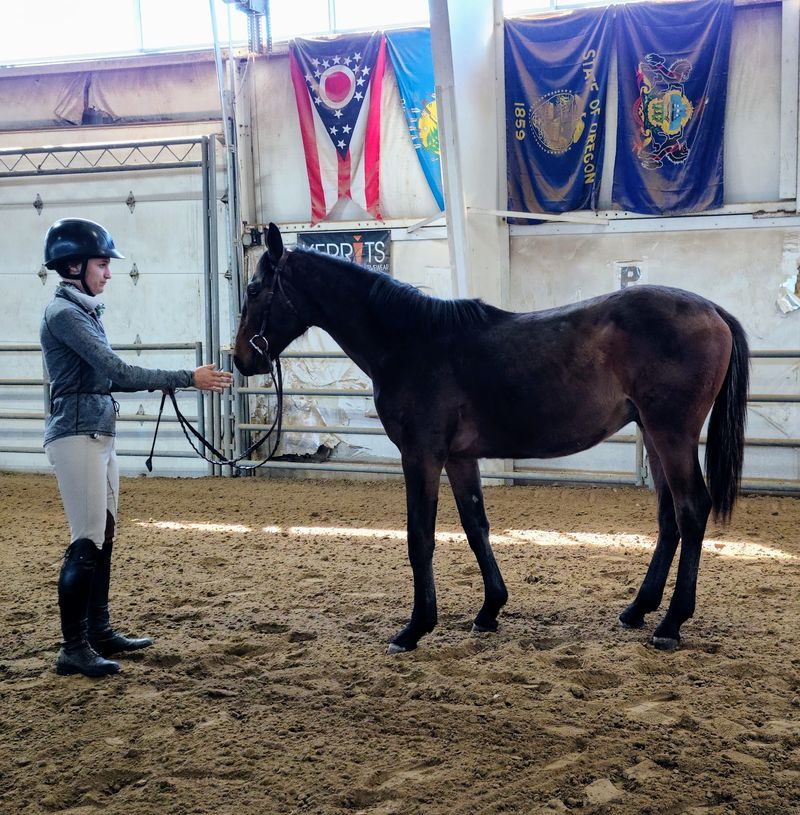
Nobody hands you a galloping thoroughbred on day one. Beginners start on lesson horses chosen specifically because they tolerate mistakes, uneven hands, and the nervous stiffness that comes with sitting on an animal that weighs a thousand pounds.
Those school horses do an enormous amount of the teaching. Each one has its own quirks, and riders who stay long enough end up learning something different from every horse they’re assigned.
Lessons are scaled to age and skill, which matters when a seven-year-old and a ten-year-old show up together expecting the same thing. Instructors adjust the pace instead of pushing everyone through identical drills.
First-year riders spend real time on the ground too, learning to lead, groom, and read a horse’s mood before mounting. It slows the process down in a way that pays off later.
Adults arrive with their own hesitations, often convinced they’ve missed their window. The structure here handles that without making a production of it, building confidence one lesson at a time rather than demanding bravery up front.
The Indoor Arena That Saves Nebraska Winters
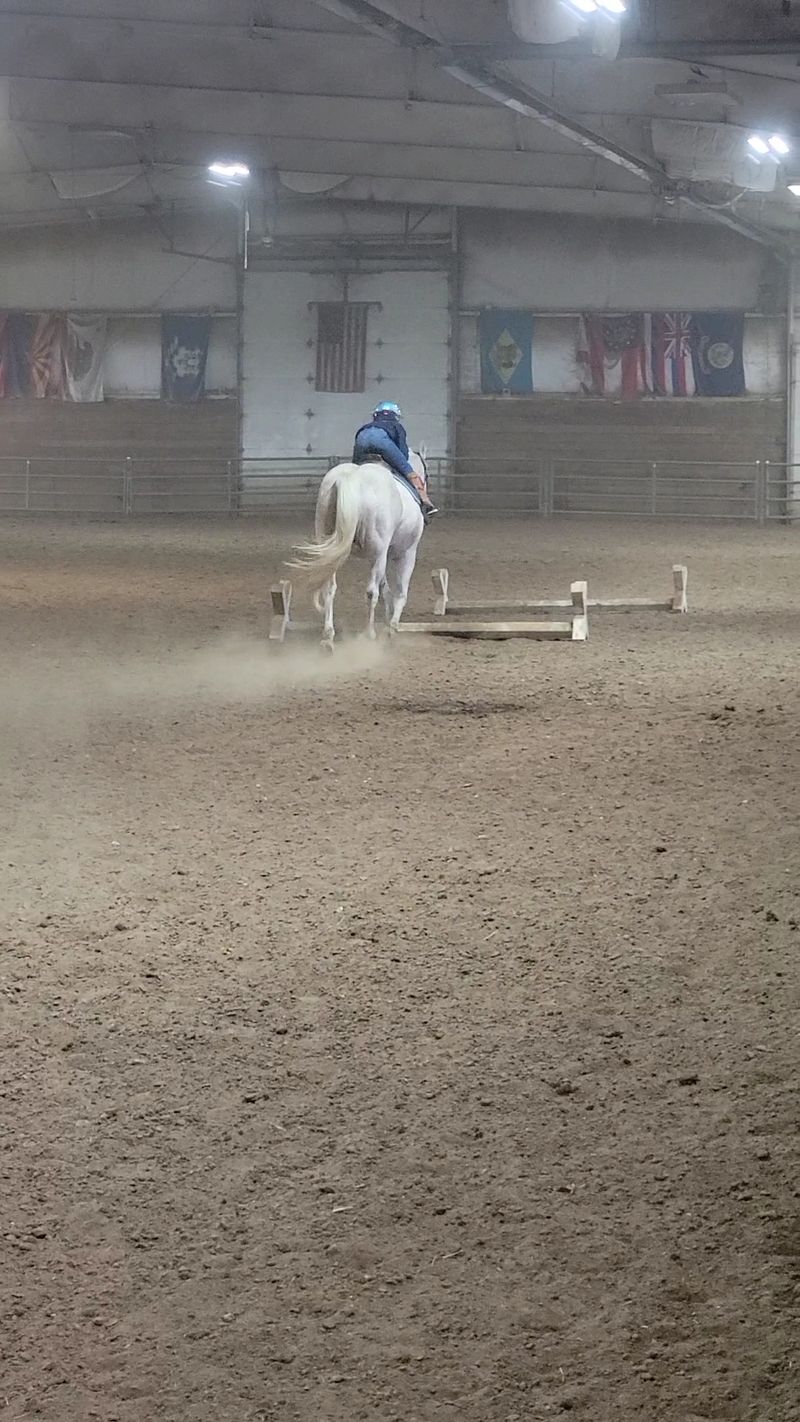
Anyone who has tried to keep a hobby going through a Nebraska January knows the problem. Wind comes across open ground with nothing to slow it, footing freezes solid, and outdoor plans evaporate for months at a stretch.
An indoor riding arena solves that. Lessons continue through cold snaps, through mud season, through the stretch of spring when the ground refuses to dry out.
Consistency matters more than people expect in riding. Skills built over weeks fall apart quickly during a two-month gap, and beginners lose confidence fastest of all.
The covered ring also removes distractions that rattle new riders. No wind whipping a tarp, no sudden noise from the road, just soft footing and the steady rhythm of hooves.
Jump standards and poles stay set up inside, so riders progressing past the basics have somewhere to work regardless of the forecast.
Rainy stretches do turn parts of the property soft and messy, which is simply how stables go. Boots over sneakers is the sensible call any time the sky looks uncertain.
English Riding and the Jumping Ring
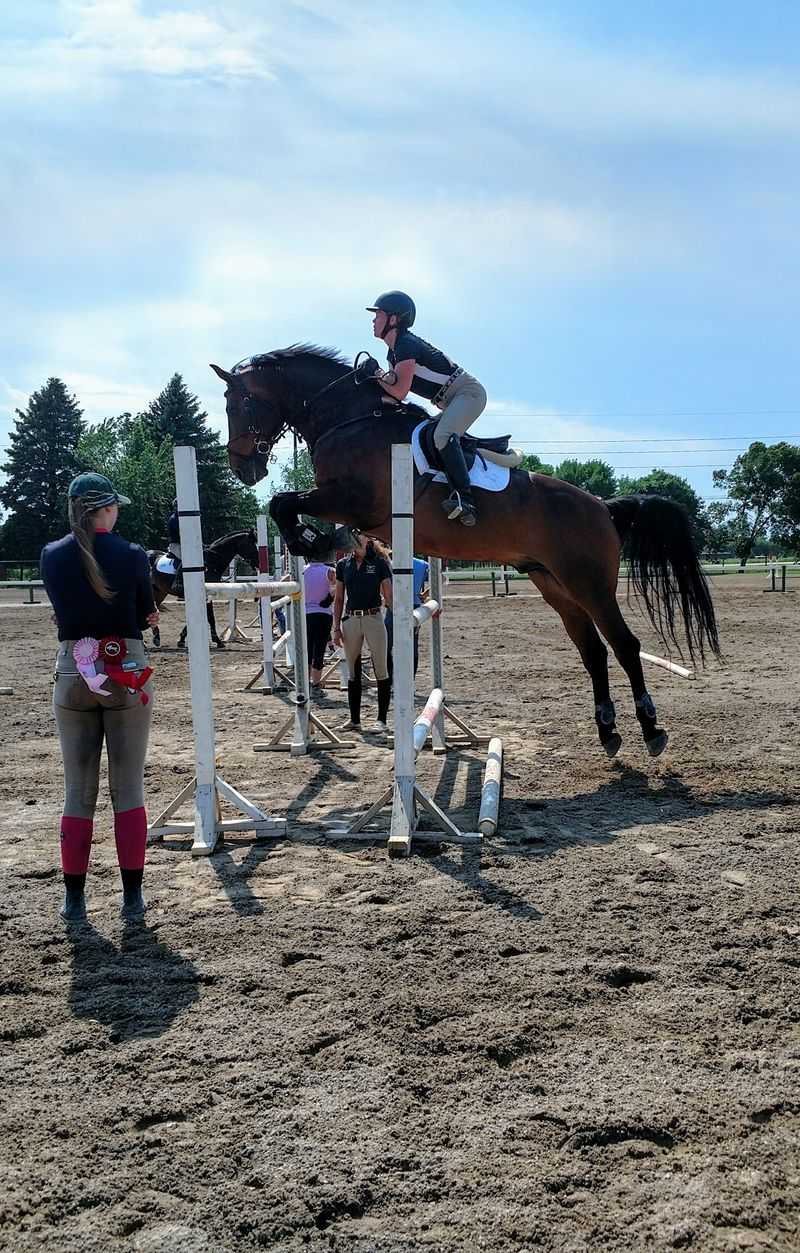
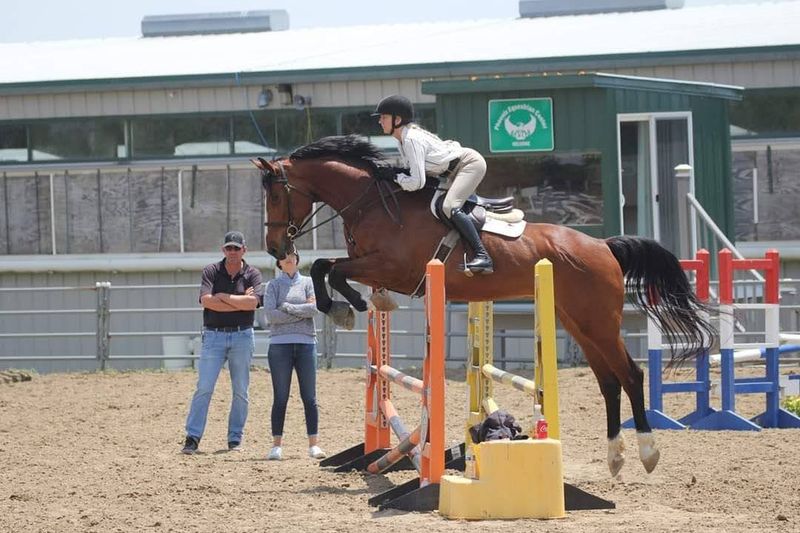
English is the discipline taught here, which sets the barn apart in a state where western saddles dominate most arenas. Riders learn posting trot, two-point position, and eventually how to meet a jump on a decent stride.
Watching lessons from the rail is half the appeal for families. Horses and riders work through gymnastic lines and small courses while an instructor calls corrections across the ring.
Jumping doesn’t arrive quickly. Beginners spend considerable time on flatwork first, building balance and steady hands, because a rider who can’t control a canter has no business pointing a horse at a fence.
Fences, footing, and jump equipment are maintained, which matters more than it sounds. Safe ground and solid standards are the difference between a productive lesson and an avoidable problem.
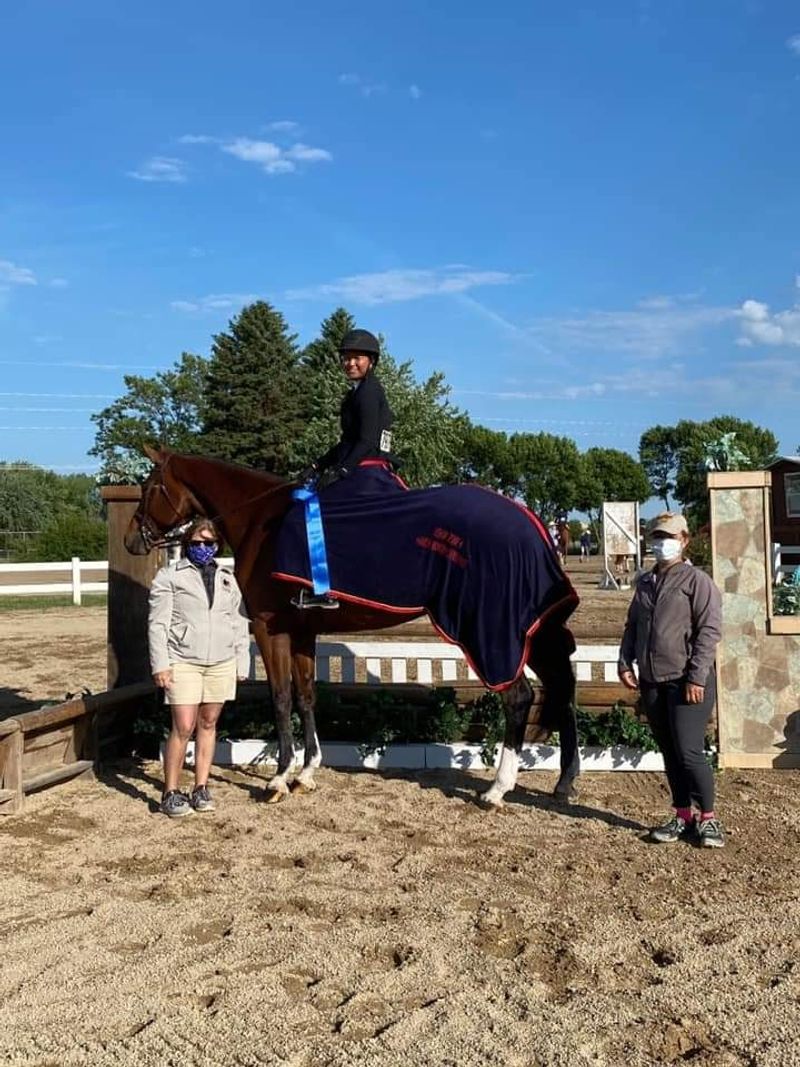
The barn’s competitive side runs on the rated circuit, so students see what serious English riding looks like at close range.
For a kid whose only exposure to horses came from books, standing beside a working jump ring in Sarpy County reframes the whole thing.
Joan, Suzanne, Roxi and the People Doing the Teaching
Ask around about lessons and the same names keep surfacing. Joan manages the barn and teaches, Suzanne works with newer riders, and Roxi handles a lot of the kids’ instruction.
Joan’s approach gets described by riders as supportive and demanding at the same time, the combination that moves timid adults forward without scaring them off. She spends real time on communication between horse and rider, not just position and steering.
Patience shows up repeatedly in what students say about the instructors here, particularly regarding shy children who need a few weeks just to get comfortable in the barn aisle.
Janine, on the ownership side, competes year-round on the USEF circuit and handles horse health work on the property, from vaccinations to routine care.
That mix matters. A barn where the same people teach beginners and compete at rated shows gives students a visible ladder rather than a vague promise.
Staff turnover appears low based on how long individual instructors keep getting mentioned, which is its own quiet endorsement in the horse world.
Lesson Horses With Résumés
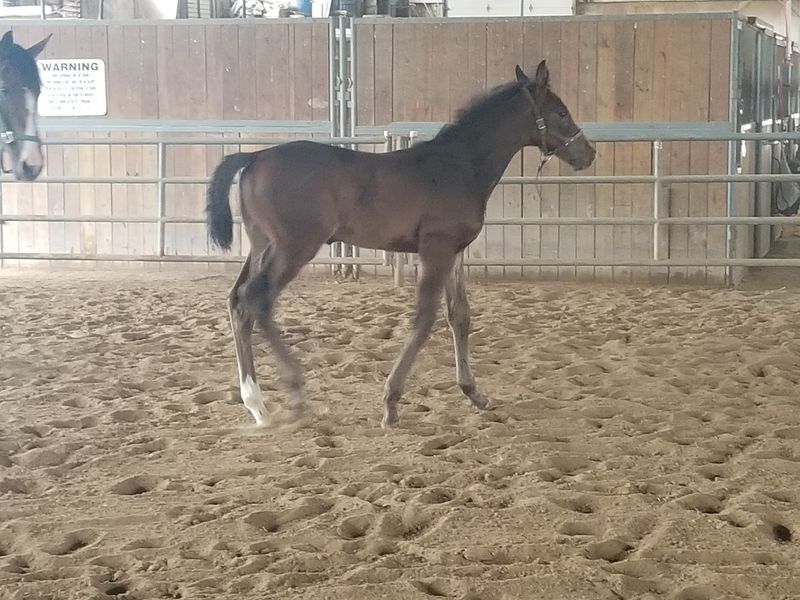
Dan is one of the barn’s horses, and an eight-year-old in her first year of lessons adores him. That detail says more about a lesson program than any brochure could.
School horses are the unsung workforce of any teaching barn. They carry riders who bounce, grip, and pull, and they keep doing it week after week without losing their manners.
Each horse at Phoenix teaches something slightly different. One might be sensitive to leg pressure and force a rider to soften up.
Another might test whether you actually mean what your reins are saying.
Riders who stick around for years describe cycling through several of these horses and collecting a skill from each one, which is exactly how a well-rounded equestrian gets built.
Horse care runs alongside the riding instruction rather than behind it. Students learn grooming, tacking, and basic welfare because knowing a horse is part of riding one.
Quality of the lesson string comes up often, and families with multiple children notice it fastest.
Boarding, Leasing and the Step After Lessons
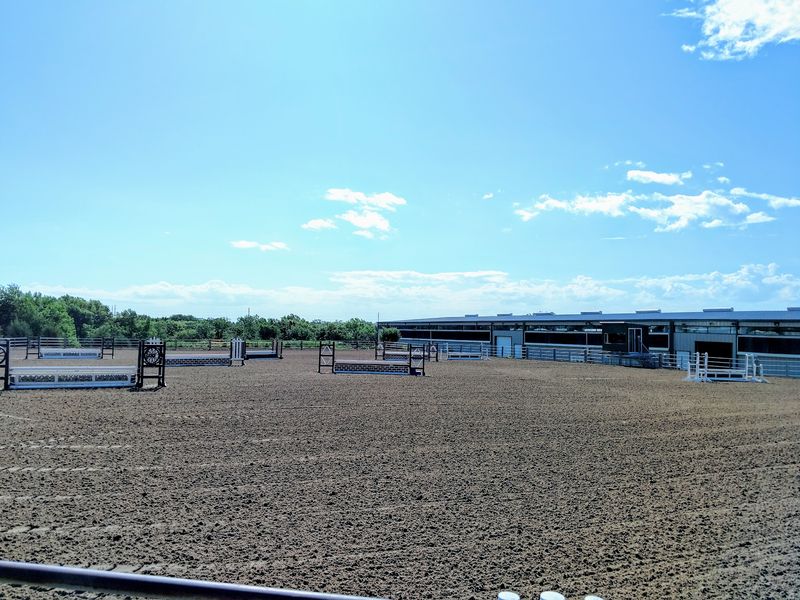
Eventually a rider outgrows one hour a week. That’s when boarding and leasing enter the conversation, and the barn handles both.
Boarders describe a team willing to accommodate individual horses and their specific needs, which is not universal in the boarding world. Health care on site includes vaccinations, deworming, microchipping, and sedation when a horse needs it.
One boarder who had ridden competitively on both coasts pointed to the grounds staying safe and maintained: fences repaired, footing managed, jumps kept in working order.
Leasing sits between lessons and ownership. A rider gets regular time with one horse, builds a partnership, and takes on more responsibility without the full financial weight of buying.
Owners here take the practical view about people’s circumstances changing, and riders who have had to leave describe the exit being handled without friction.
For a family in the Omaha metro weighing whether horses are a phase or a long-term thing, having that whole progression available on one property removes a lot of guesswork.
Show Days on the Property
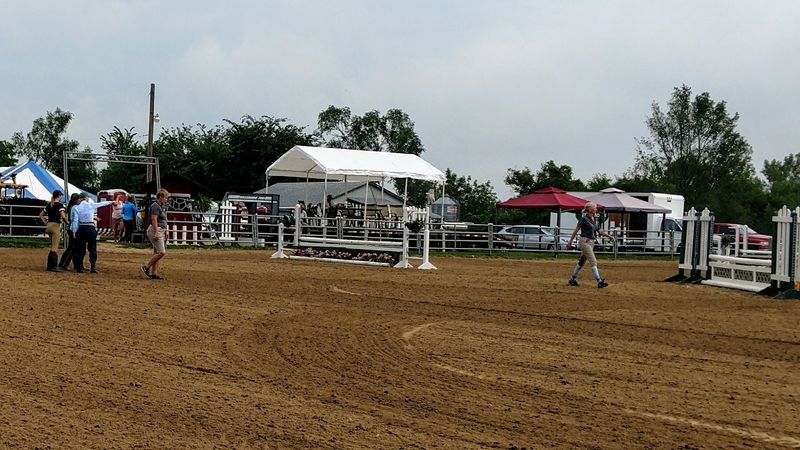
Trailers pull in, the grounds fill up, and the rhythm of the place changes entirely. Horse shows happen here, and they’re one of the better free afternoons available on the south side of the metro.
Auditing and watching cost nothing. Anyone interested in learning is welcome to stand at the rail and observe, which is genuinely useful for a family trying to decide whether riding lessons are the right fit.
Show days also explain the occasional empty feeling on the property. The owners travel to competitions throughout the year, so calling ahead before dropping by is the smart move.
Rated shows and schooling shows differ considerably in atmosphere, and seeing either one up close teaches a beginner more about the sport in two hours than reading ever will.
Young riders from the program get to compete once they’re ready, which turns abstract lesson goals into something concrete.
For spectators, it’s horses, jumps, and open Nebraska sky. Bring a lawn chair and sunscreen and settle in.
Horsemanship Over Horse Riding
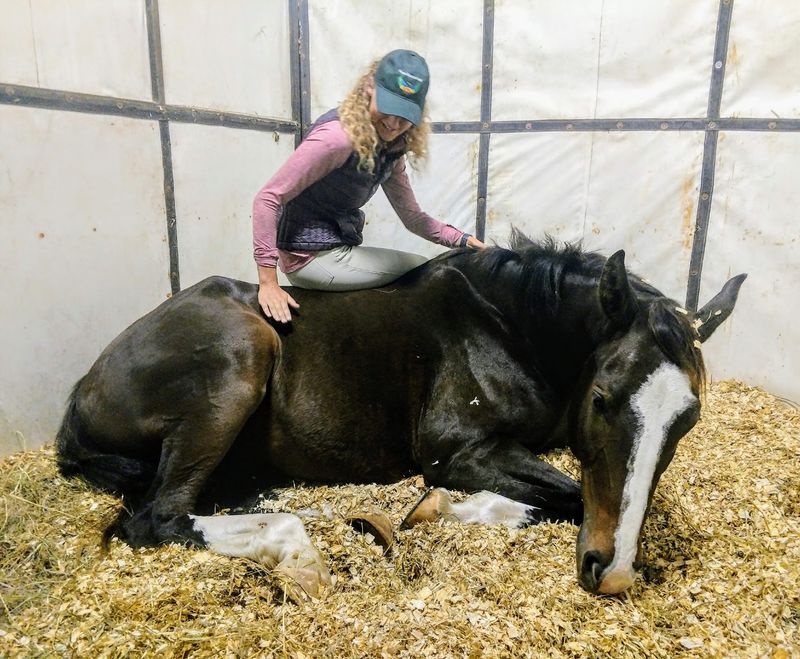
There’s a distinction the staff take seriously: a rider sits on a horse, a horseman understands one. The curriculum leans hard toward the second.
An adult student who spent four years here described becoming a better horseman rather than simply a better rider, and that framing shows up throughout the program.
Safe communication is taught explicitly. How to approach, how to lead, how to ask for something clearly so the horse isn’t guessing, and how to read when an animal is uncomfortable.
Grooming and tacking aren’t rushed chores squeezed in before the real lesson. They’re part of it, especially for children learning that horses are living partners rather than equipment.
Beginners who absorb this early tend to progress faster later, because a horse responds differently to someone who understands what it’s telling them.
The hands-on nature of the program surprises parents expecting a pony ride operation. Kids get dirty, carry buckets, and learn that the barn work is inseparable from the fun part.
Who Fits Here
Picture a nervous adult in her thirties who has wanted to ride since childhood and keeps talking herself out of it. That person does well here, because the instruction pushes without shoving.
Children as young as seven or eight are regulars, and the staff adjust to age and skill instead of running every kid through the same template.
Parents ride alongside their children in some cases, which makes the weekly trip out something shared rather than a drop-off errand.
Families who want hands-on involvement get it. Those hoping for a quick pony experience and a photo will find the program asks more of them.
Riders chasing a competitive path have somewhere to go too, given the barn’s show schedule and rated-level experience on staff.
The social side matters more than people anticipate. Other riders tend to be encouraging, and a beginner struggling with a canter transition isn’t doing it alone in front of strangers.
Anyone bothered by dust or hay should factor that in honestly. It’s a stable, and it smells and feels like one.
Planning the Drive Out to Bellevue
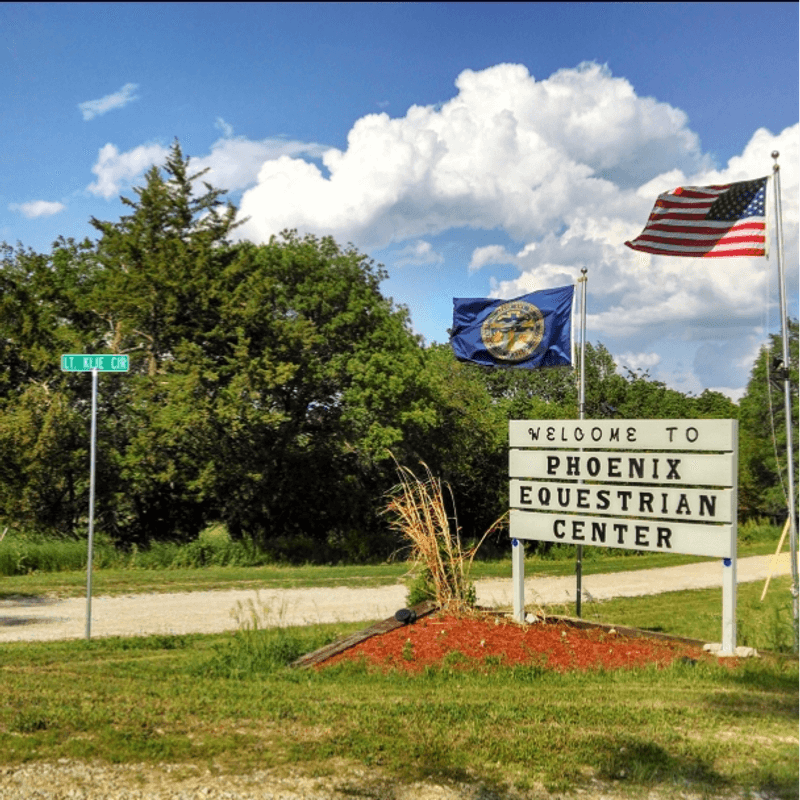
Dyson Hollow Road sits at 16401 in Bellevue, an easy run south from Omaha and a short hop from Offutt. Twenty minutes from most of the metro puts it well within afternoon range.
Calling ahead is genuinely useful, since the owners travel to shows and the property isn’t staffed for walk-in visitors at all hours. A scheduled visit gets you a proper look at the barn and a conversation about where a new rider should start.
Lesson pricing has been described as reasonable for the area, though rates shift over time and are best confirmed directly.
Footwear deserves thought. Closed-toe boots beat sneakers every time, and after rain the approach to the main barn gets soft, though blacktop work has improved the worst stretches.
Helmets are standard for riders, and long pants save a lot of discomfort against saddle leather.
Arrive a little early. Watching a lesson finish before yours begins is the fastest way to understand what you’ve signed up for.
The Verdict From the Rail
Late in the day the pasture light goes gold, horses drift toward the gate, and the barn noise settles into buckets and hoof falls. It’s an ordinary scene that keeps pulling people back week after week.
What Phoenix Equestrian Center offers isn’t polish. It’s a functioning stable where beginners land on horses that forgive them, instructors who know the difference between encouragement and flattery, and a program that treats horse care as part of the lesson.
The barn gets messy. Rain turns things muddy.
Nobody is pretending otherwise, and the owners have publicly acknowledged where improvements were needed and made them.
Four years of lessons turning a hesitant adult into a confident horseman is the kind of outcome this place produces, and it happens twenty minutes from downtown Omaha.
For a Nebraska family looking for something their kid can actually stick with, or an adult finally acting on an old ambition, the drive down Dyson Hollow Road answers the question quickly.