This 411-Foot North Carolina Waterfall Is Roaring With Millions Of Gallons Of Water After Days Of Heavy Rain
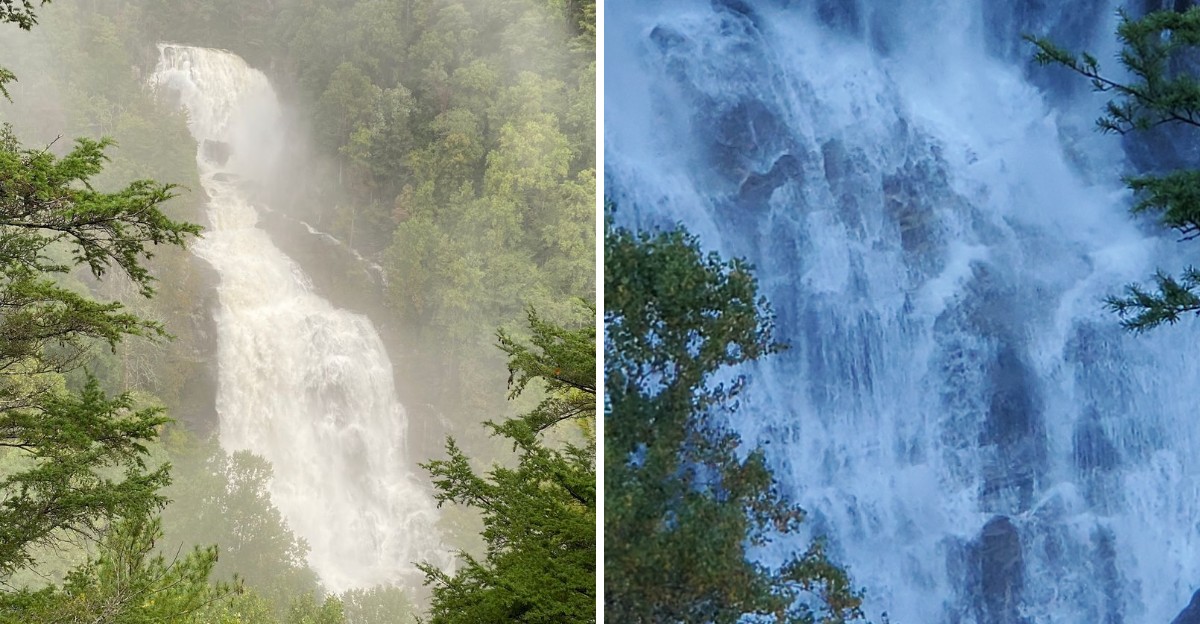
Whoooooosh!
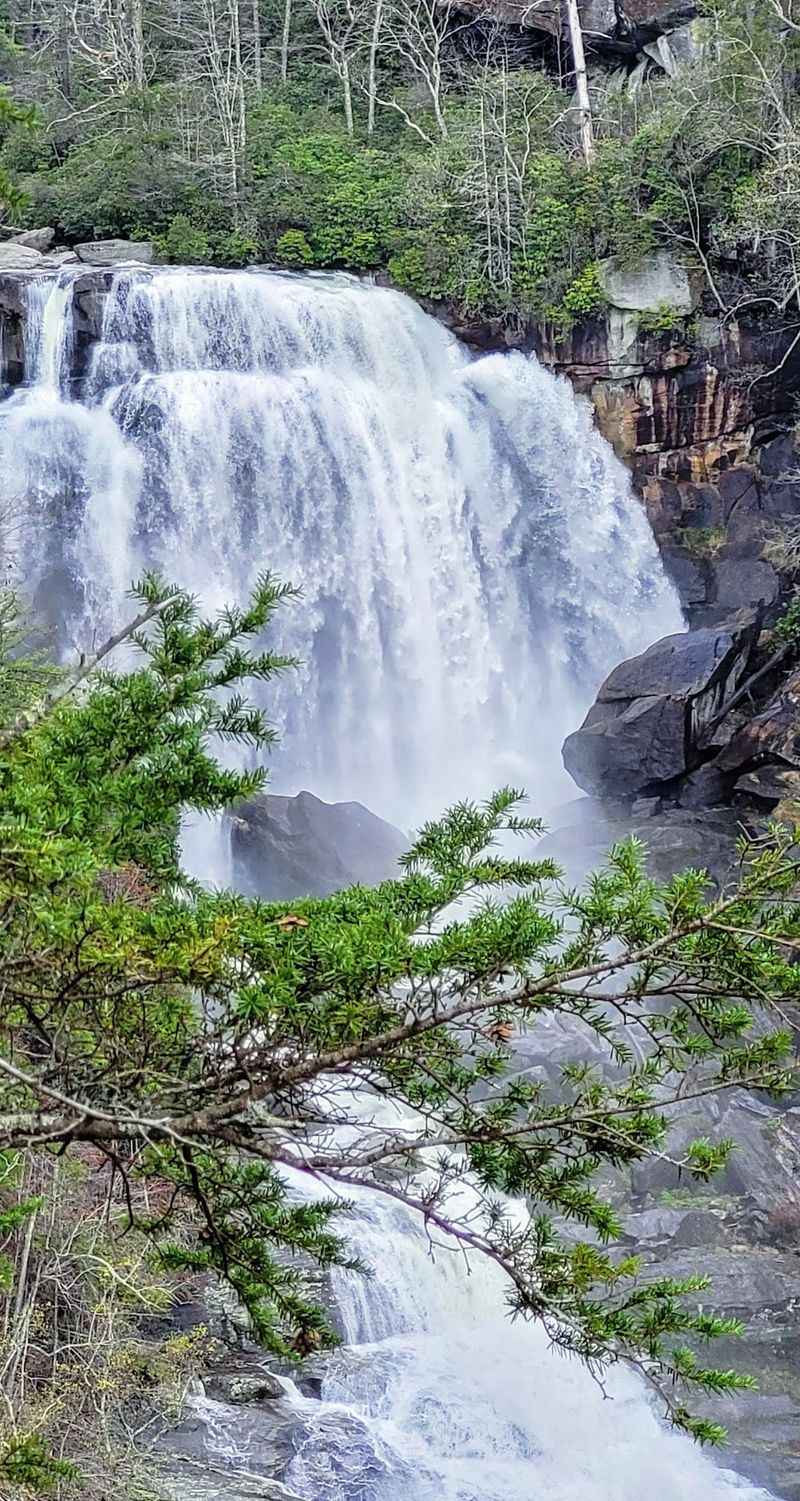
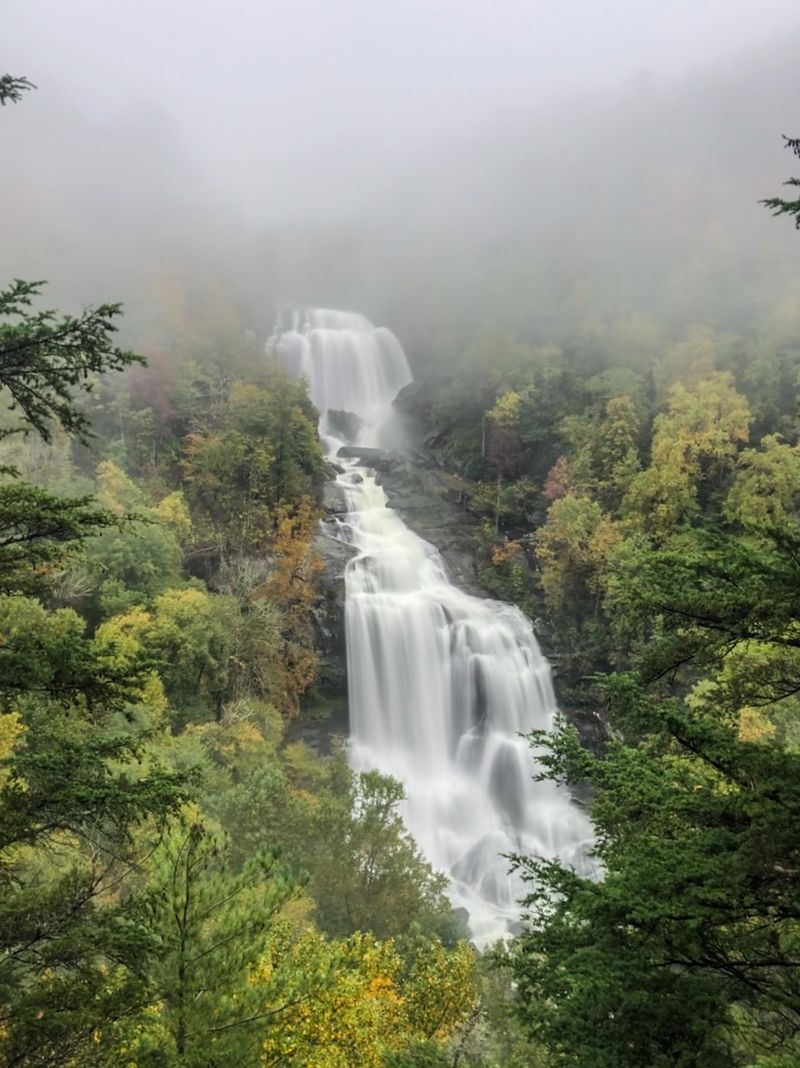
That is the sound carrying through the mountains after days of heavy rain gave this North Carolina waterfall a serious power boost.
Upper Whitewater Falls already drops an impressive 411 feet, but recent rainfall has turned the gorge below into something far louder and wilder than usual.
You may hear the roar long before the waterfall finally comes into view.
Nearly four inches of rain fell at a nearby gauge in the 24 hours ending October 11, which helps explain the extra drama.
The spectacle is incredible, but this is not the moment for shortcuts.
Check current forest conditions, stay on designated overlooks, and let the waterfall do all the showing off.
A 411-Foot Plunge Makes This One Of The East’s Most Dramatic Waterfalls
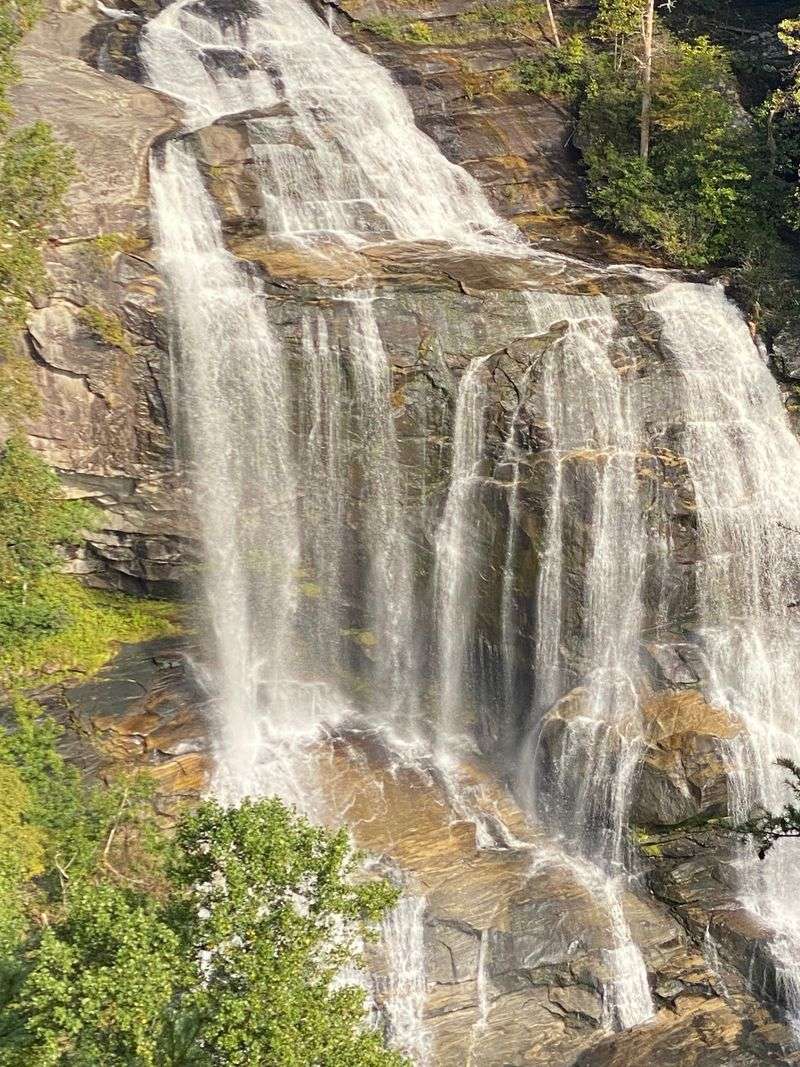
A stack of about forty houses piled on top of each other gives you a rough sense of the height.
That is roughly how far the Whitewater River tumbles here, sliding and crashing down a steep face of rock in a long ribbon of white.
Many people call this the highest waterfall east of the Rocky Mountains. Hikers and map lovers sometimes enjoy a friendly debate about how to measure waterfalls, since some drop straight down while others slide over ledges.
Whatever the exact rules, standing before Upper Whitewater Falls makes those arguments feel small.
The falls sit inside the Nantahala National Forest in Jackson County, where thick hardwoods and rhododendron crowd the rocky slopes.
Look closely and you will see the water split into lacy streams, then gather again as it rushes toward the bottom. Mist drifts upward on breezy days, and the air near the overlook often feels cooler than the parking lot.
Here is a fun fact to share on the drive home.
Together with Lower Whitewater Falls downstream, the river drops more than 800 feet in total, making it one of the biggest waterfall systems in eastern North America.
Few places in the region pack so much drama into one short trip.
Weekend Rain Gave The Whitewater River A Serious Boost
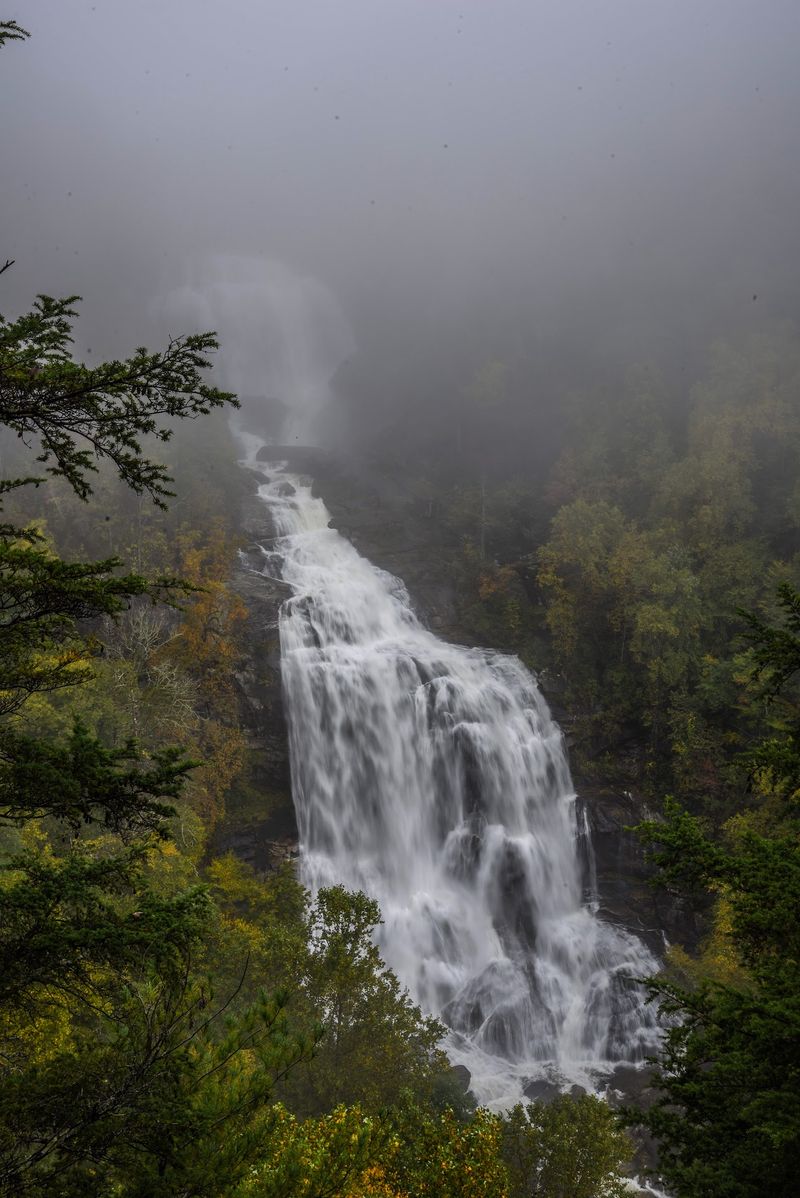
Storm clouds have a habit of piling up along this stretch of mountains, and there is a good reason why.
The Blue Ridge Escarpment rises sharply here, pushing damp air upward until it cools and falls as rain.
That lift creates one of the wettest spots in the eastern United States.
More than 100 inches of rain soak the area in a typical year, which is over twice what many big cities receive.
After a weekend of heavy showers, the Whitewater River swells fast, and the falls turn from a graceful veil into a pounding wall of water.
Visiting right after a storm feels completely different from a dry summer afternoon. The roar grows deeper. Spray drifts farther.
Sometimes the water carries a faint tea color from the soaked forest floor upstream.
After heavy rain, wait for hazardous-weather alerts to clear and confirm local access conditions before making the trip.
Pack a light rain jacket anyway, because mountain weather can change quickly.
Waterproof shoes help too, since puddles linger on the walkway and the air near the overlook stays damp from the mist rising out of the gorge.
The First Overlook Is Only A Quarter-Mile From The Parking Area
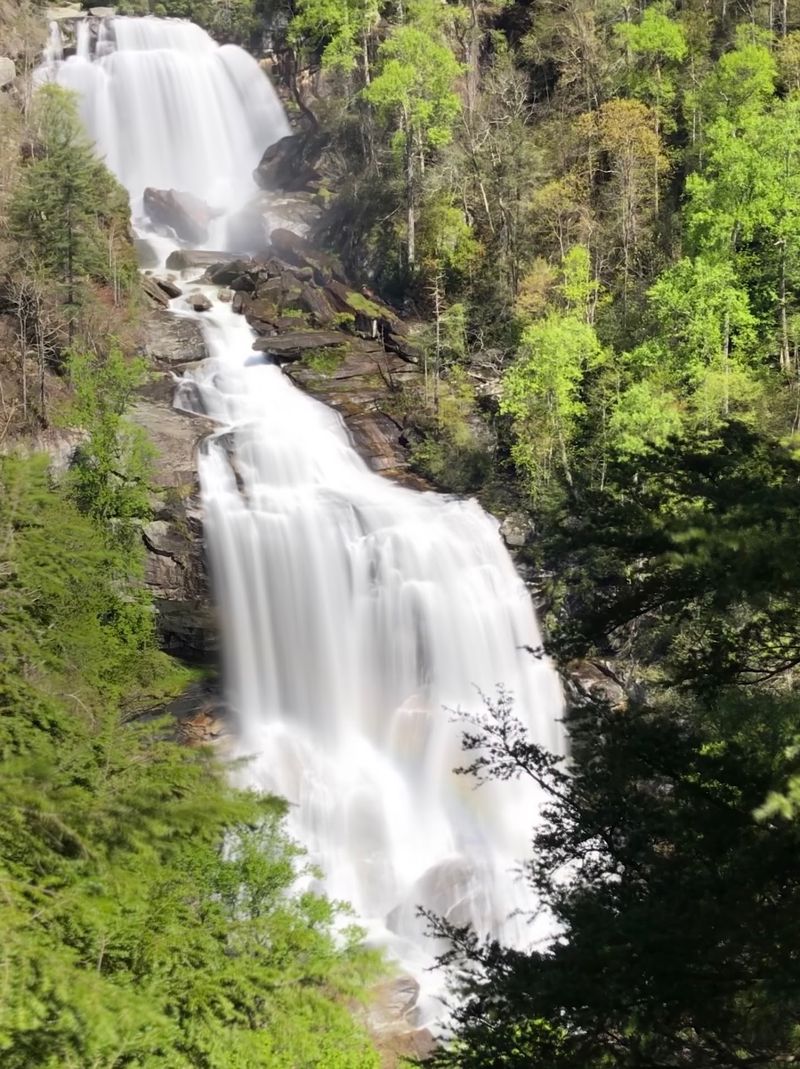
Good news for families with little legs in the group.
Reaching your first glimpse of the falls takes only a short stroll, with no rugged scrambling over roots and rocks.
A paved walkway stretches about a quarter-mile from the parking area to the upper overlook.
The path climbs gently, so you may feel your heart pump a little, yet most visitors handle it easily, and wheelchairs can make the trip with some help.
Picnic tables and restrooms near the lot make this a comfortable stop at 101 Whitewater Falls Lane, Cashiers, NC 28717. Bring a few dollar bills before you go.
A small day-use fee, usually around two or three dollars, is paid through an honor system with envelopes at the lot, and that money helps care for the trail and facilities.
As you walk, notice the sounds changing around you.
Birdsong and rustling leaves come first, then a low hum grows louder with every step until the trees open up and the waterfall appears across the gorge.
Many people pause right there for photos.
Afterward, a shady picnic table makes a fine spot for sandwiches and fruit from a Cashiers market before heading back out on the road.
Descend 154 Steps And The Waterfall View Gets Even More Impressive
Counting out loud is half the fun on this staircase.
Kids love calling out each number as the wooden steps zigzag down the hillside through the trees.
Beyond the upper platform, 154 steps carry you roughly 100 vertical feet lower to a second overlook. From there the view opens up straight across the gorge.
Instead of a partial peek, you see nearly the whole height of the falls, top to bottom, in one tall sweep.
The lower platform feels more personal.
Sound bounces off the rock walls, and you can watch individual streams of water separate and rejoin as they race downward.
On sunny mornings, a rainbow sometimes shimmers in the mist. A few practical tips make the climb easier.
Hold the handrail, since the boards can turn slick on damp days.
Take your time on the return trip, because going back up is the real workout.
A bench along the way offers a welcome breather, and nobody minds if you stop to catch your breath and admire the forest. Bring a water bottle as well.
Most healthy visitors finish the round trip in well under half an hour, even with plenty of photo breaks.
A 12.9-Square-Mile Watershed Funnels Mountain Rain Toward The Falls
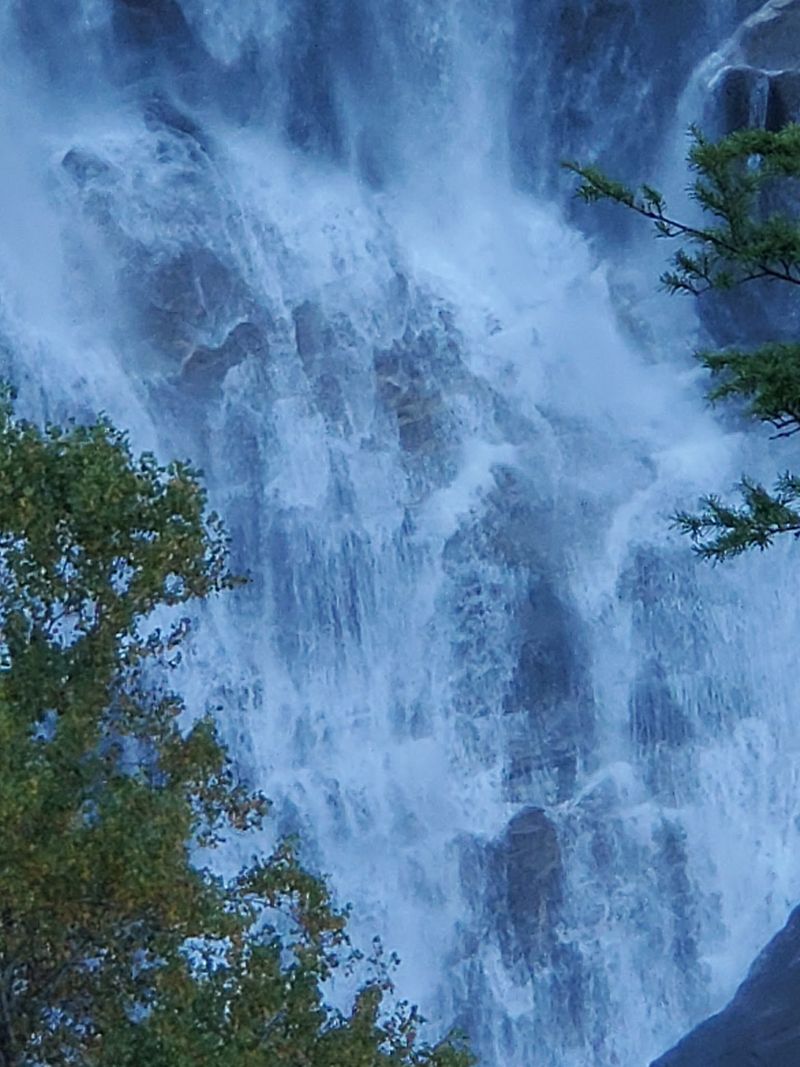
Every drop splashing over the edge started its journey somewhere far uphill.
Rain lands on ridges, soaks into leafy soil, trickles into tiny creeks, and eventually joins the Whitewater River on its way to the cliff.
All that land draining toward one spot is called a watershed.
Think of it like a giant funnel made of mountains. The steep slopes around the upper river gather rain from miles of forest and send it rushing downhill, which explains why the falls can swell so quickly after a storm.
USGS lists the drainage area at its Whitewater River near Cashiers monitoring site as 12.9 square miles.
Either way, it is a big catch basin for a river that looks fairly modest just above the falls. Downstream, the water keeps traveling.
The Whitewater River belongs to the larger Savannah River system, which eventually reaches the Atlantic Ocean near the Georgia coast.
So the next time you watch the falls thunder, imagine some of that water finishing its trip hundreds of miles away at the sea.
Healthy forests up high help keep the river clean along that whole long path.
Another 400-Foot Waterfall Waits Just Across The South Carolina Line
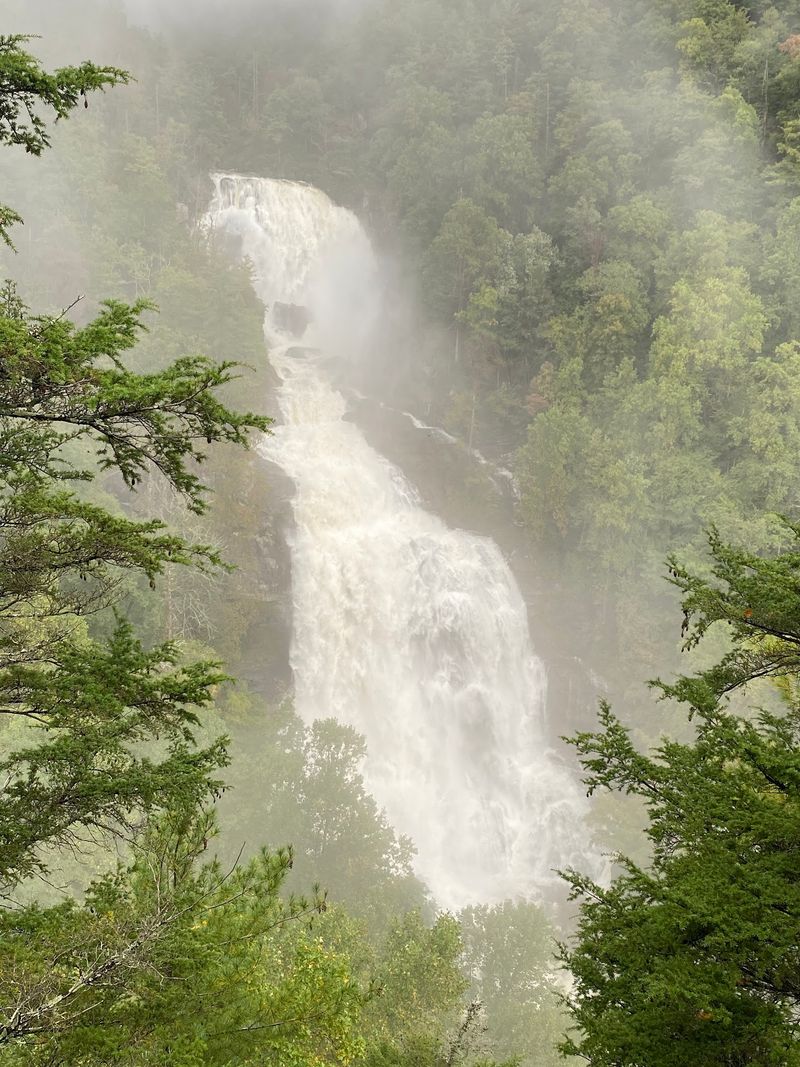
Rivers ignore state borders, and the Whitewater proves it.
Not long after leaving the upper falls, the river slips into South Carolina and makes a second giant leap.
Lower Whitewater Falls is often described as a 400-foot waterfall, though measurements vary, and some sources list it near 385 feet spread across several tiers.
Together, the upper and lower drops add up to more than 800 feet of falling water. That combined height helps explain why the Jocassee Gorges area is famous among waterfall fans.
Seeing the lower falls takes extra effort and a separate trip.
Most visitors start from a trailhead in South Carolina and hike about two miles one way to a viewing platform, sometimes following sections of the long Foothills Trail.
Wear sturdy shoes and carry snacks, since the walk includes hills.
The Foothills Trail actually passes right by the upper falls area too, so curious hikers can step onto it for a short stroll near the North Carolina overlook.
Seeing both waterfalls in one weekend makes a great adventure.
Plan an early start, pack lunch, and save the bigger hike for a cool, clear day when trails are dry.
Fall Color Makes The Gorge Look Even Wilder Around The Cascades
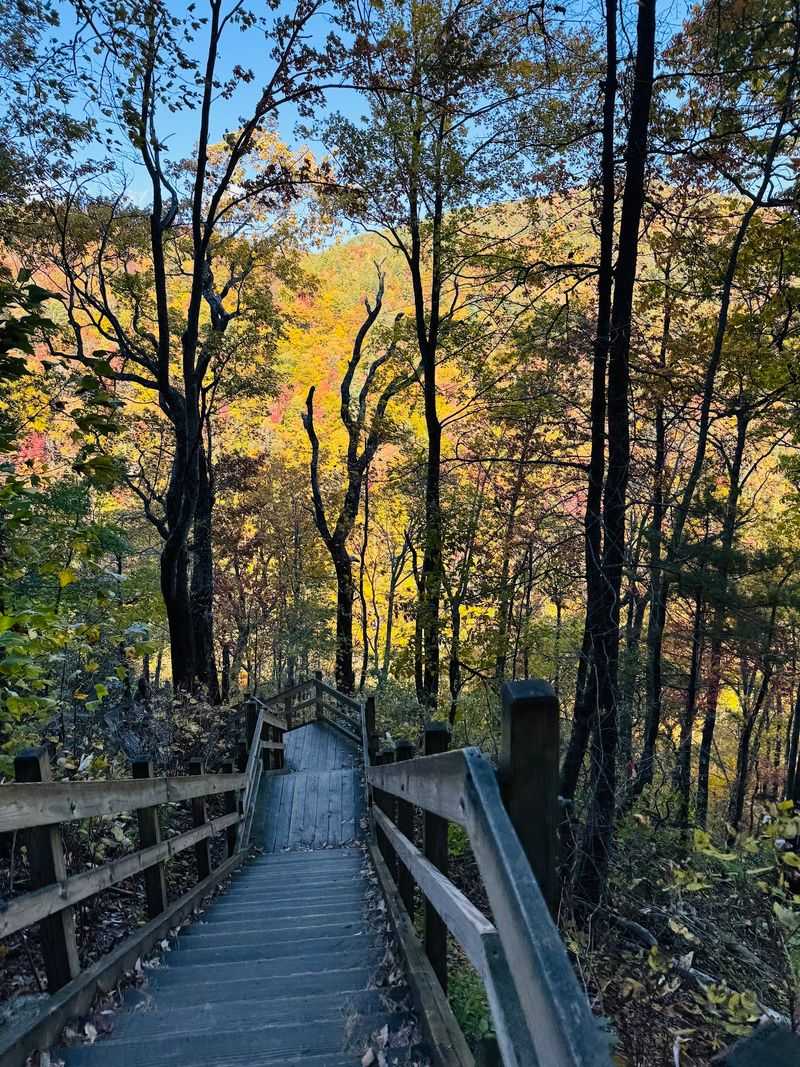
Crisp mornings bring a whole new paint box to the gorge.
Maples blush red, hickories glow gold, and sourwoods flash deep crimson along the cliffs. Against all that color, the bright white water looks even more striking.
The trees seem to frame the falls like curtains pulled back on a stage.
When autumn showers line up with peak foliage, you get the best of both worlds, a full, roaring river surrounded by fiery leaves. Timing matters.
On the Highlands-Cashiers Plateau, color usually peaks from the middle to the latter part of October, depending on elevation and weather that year.
Higher ridges change first, then the shades slide downhill week by week.
Plan ahead, because autumn is a busy season.
Weekends fill the parking area quickly, so arriving early in the morning gives you calmer paths and softer light for photos.
Dress in layers, since temperatures at about 4,000 feet can feel chilly before the sun climbs.
Afterward, the small town of Cashiers makes a cozy stop for warm soup, fresh-baked treats, and a scoop of ice cream.
Driving the curving mountain roads between town and the falls is a colorful treat all by itself.
Stay Behind The Overlook Barriers Because The Gorge Below Is Extremely Dangerous
Wet granite can be as slippery as ice.
That simple truth is why railings, fences, and warning signs line the viewing areas at this spectacular spot. Beyond the barriers, the land drops off into steep, rugged terrain covered with moss, loose rocks, and slick roots.
Sadly, people who wandered off the marked trails have been badly hurt, and some have died.
The gorge below is steep, rugged wilderness, and the Forest Service warns that visitors who leave designated trails have suffered serious injuries and fatal falls. Heavy rain makes things even riskier.
Fast, powerful water and soaked ground create conditions that surprise even experienced hikers.
A beautiful photo is never worth climbing past a fence.
Keeping your visit safe is easy with a few habits.
Stay on the paved walkway, the staircase, and the official platforms at all times.
Hold younger children’s hands near railings, and keep pets on a leash. Wear shoes with good grip, especially after storms.
Respecting these rules lets everyone enjoy the thunder and mist of one of North Carolina’s most famous natural treasures for many years to come.
The views from the overlooks are breathtaking, and they are all you need.