This 143-Year-Old North Carolina Hospital Has Haunted Stories Coming From Its Empty Wards
Some buildings seem to collect stories long after the hallways go quiet.
At this North Carolina hospital, more than a century of history has given people plenty to whisper about after dark.
Old accounts mention unexplained sounds and a shadowy figure at a window, which is exactly the kind of detail that makes curiosity start misbehaving.
Still, the ghost tales are only part of the story.
Broughton Hospital has been caring for patients since 1883, and that long history includes generations of people who lived and worked here.
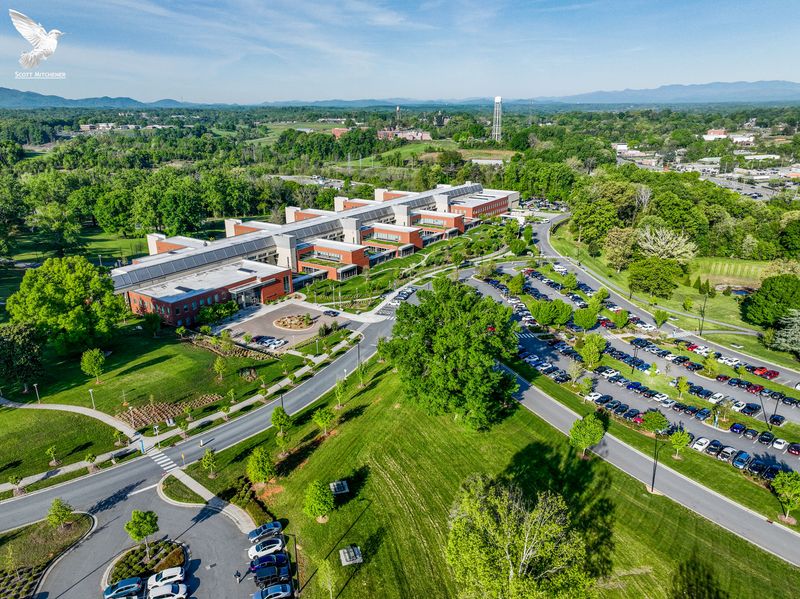
Today, care continues in a modern building on the same campus.
The past may sound spooky, but it deserves more than a scare story.
Empty Wards Have Inspired Ghost Stories For Generations
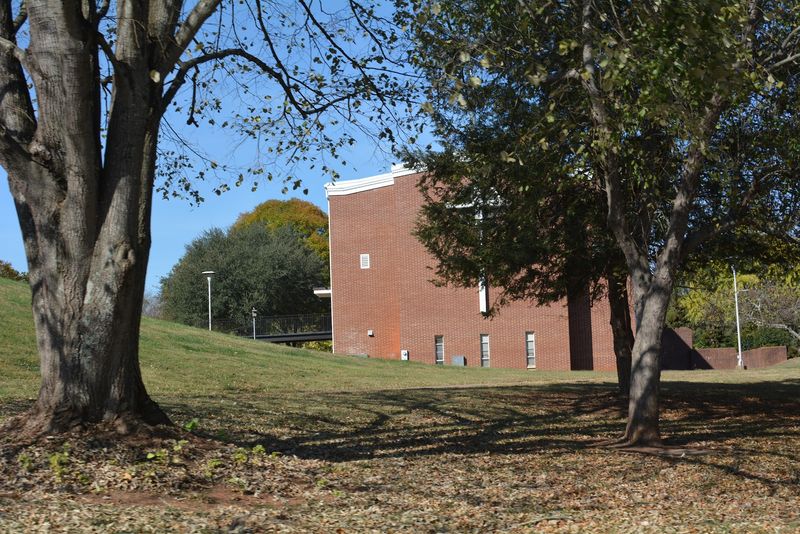
A long row of dark windows can make even a familiar building feel full of secrets.
At Broughton Hospital, stories about the older wards grew while those spaces were still part of daily life. Workers knew the corridors, stairways, and changing sounds of the campus.
Now that patients have moved to a newer facility, quiet sections of the historic complex may seem even more mysterious from the outside.
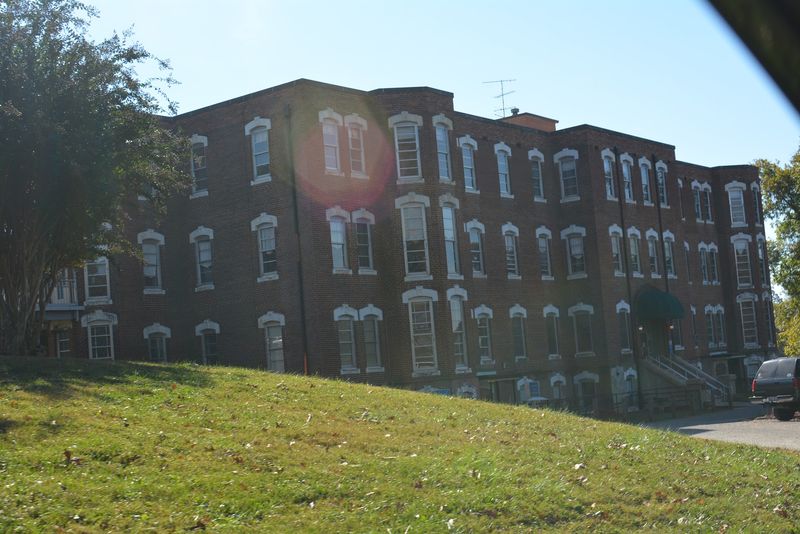
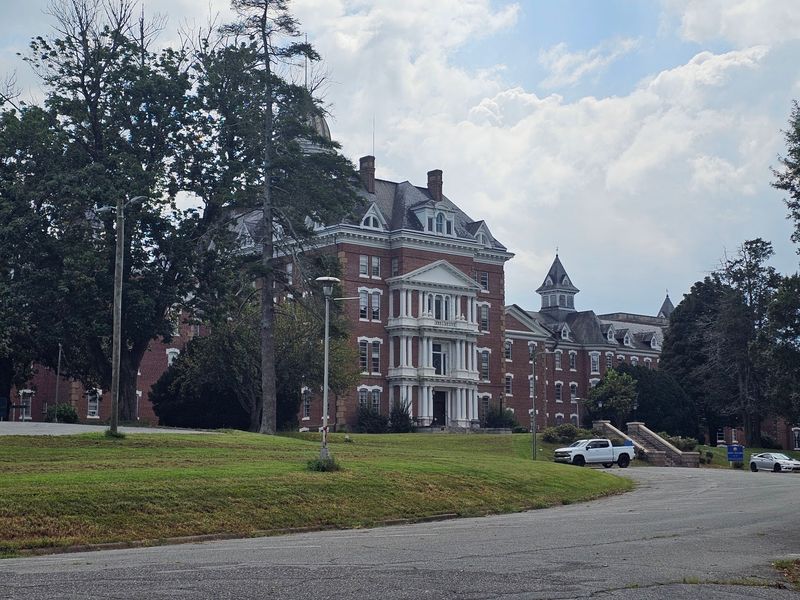
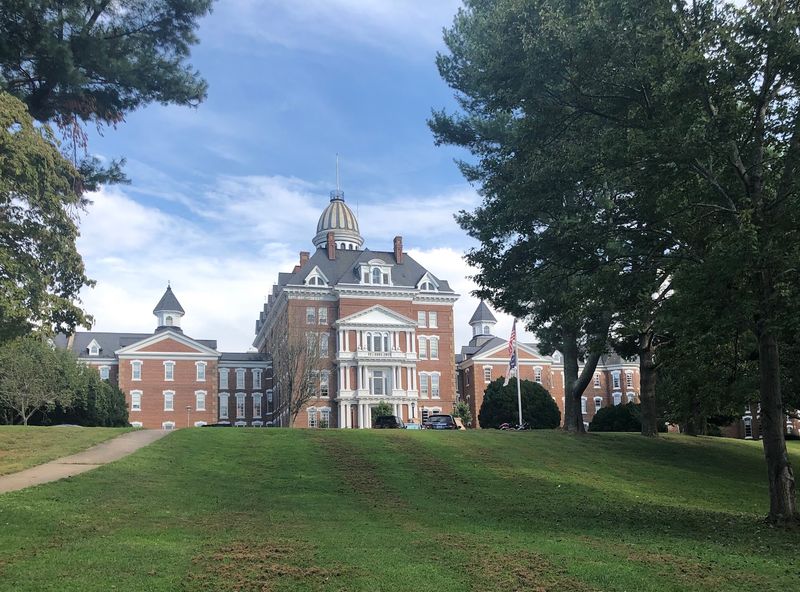
In North Carolina, the hospital’s red brick buildings are a reminder of how much mental health care has changed since the nineteenth century.
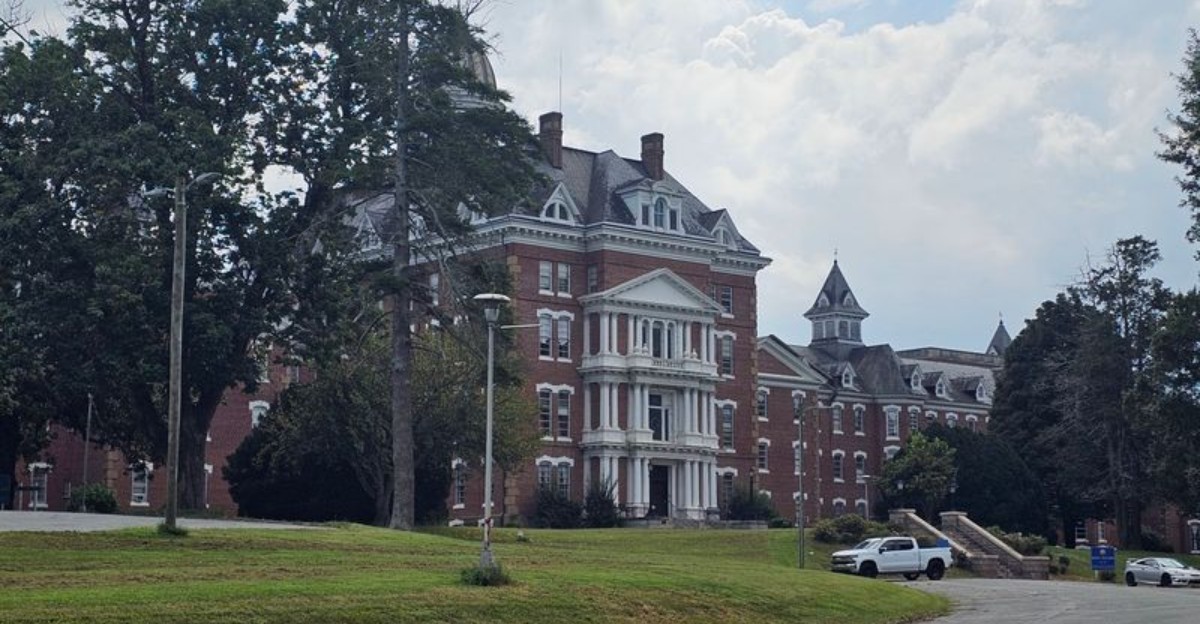
The original structure is often called the Avery Building.
Its tall windows and broad wings were planned to bring in daylight and fresh air, features thought to help patients at the time. What feels eerie in a ghost story also has a practical reason in the building’s design.
The accounts are part of local folklore, not proof that the wards are haunted.
Remember, too, that an empty patient ward is not an invitation to explore. Some older spaces have other uses, and the hospital remains active.
If you are interested in its history, start with public information rather than trying to enter a building.
That approach leaves room for curiosity while respecting the people who received care here. You can find it at 1000 S Sterling St, Morganton.
Workers Have Reported Unexplained Sounds In Older Parts Of The Campus
A sudden bang sounds different when you believe a whole hallway is empty.
In stories collected about Broughton Hospital, former staff described footsteps, voices, and moving doors, while construction workers separately reported hearing unexplained screams.
Those details give the tales their power: the people reporting them knew the buildings as workplaces, not as stops on a spooky tour.
Their accounts deserve careful telling, with the word reported doing important work. Older buildings can also make surprising noises.
Air moving through a corridor, a door that does not latch firmly, or sounds traveling from another part of a large campus may be hard to trace.
None of those possibilities proves what any worker heard. They simply remind us that a sound can be real even when its source is uncertain.
The setting adds another wrinkle.
Broughton Hospital still operates in a modern facility, while some legacy spaces are vacant or used for other purposes.
So an account about an empty ward does not mean the entire hospital has shut down.
If you repeat one of these stories, keep that difference clear and avoid turning patients into characters in a scare tale.
The workers’ experiences make the folklore memorable, but the hospital’s continuing role in care is the more important present-day fact.
One Woman In White Is Said To Appear In A Third-Floor Window
Picture a third-floor window high above the grounds, bright against the older building’s brick.
A story connected to Broughton Hospital says a woman dressed in white has appeared there.
Some versions describe people noticing the figure while passing the campus; another detail claims the window was boarded up.
These are parts of a legend, not confirmed records of an apparition or a documented reason for changes to a window.
Window stories spread easily because they give listeners a place to picture.
You do not need to know the layout of every ward to understand the image of someone looking out from above. Still, a distant shape behind glass can be difficult to identify.
Light, curtains, reflections, and the viewing angle can all change what a person thinks they see. For readers interested in the building itself, look past the mystery for a moment.
Its rows of windows reflect an older plan that valued light and air for patients.
The woman in white may be the detail people remember, but those windows also tell a real story about design.
Keep the legend separate from that history, especially when sharing it with children.
A little uncertainty makes the tale interesting without claiming that anyone has proved a ghost was there.
Mysterious Piano Music Has Been Reported Coming From Sealed-Off Rooms
A piano tune in a quiet building would be hard to forget.
Among the stories linked to Broughton Hospital are accounts of music heard near rooms that were closed off or no longer in regular patient use.
The contrast is what catches the imagination: a melody suggests someone nearby, yet the storyteller cannot find a player. Reports also place unexplained sounds around an area remembered as an employee cafeteria.
Unlike a photograph of the building, a sound story depends on what a person heard in one moment.
Music might travel farther than expected through connected rooms, or a listener might not know which spaces were occupied.
Those are possibilities, not answers to any particular account.
Without a clear source, the music remains a story people tell rather than evidence of anything supernatural.
There is a gentler way to hear the tale, too. A former gathering space would once have had the ordinary sounds of work and conversation.
Remembering that human past keeps the focus on the people who made the campus run each day.
If the reported melody sends a shiver down your spine, let it also prompt a useful question: which details are documented, and which belong to folklore?
Both can hold your interest when they are kept apart.
The Original Hospital Opened Its Doors All The Way Back In 1883
March 29, 1883, marks the beginning of a much larger story than the ghost tales.
On that date, the institution now called Broughton Hospital opened as the Western North Carolina Insane Asylum.
That original name reflects the language of its era; today, more respectful terms help us talk about mental health care. The hospital was created to serve people from the western part of the state.
Philadelphia architect Samuel Sloan designed the original main building, often called the Avery Building.
Its long wings and tall windows followed ideas about giving patients sunlight, air, and pleasant views.
In North Carolina, the red brick structure remains a striking sign of nineteenth-century public building design.
Construction and care practices changed over time, but the old facade still makes the hospital’s long history visible. Names changed as well.
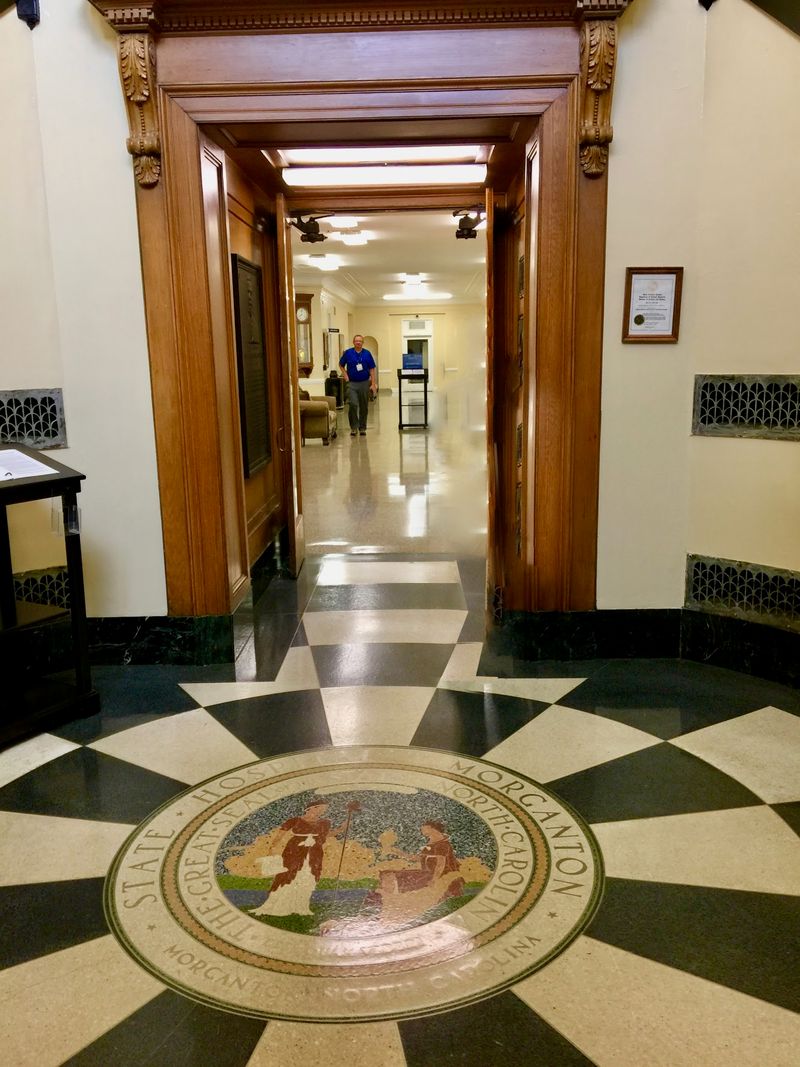
The institution became the State Hospital at Morganton in 1890 and took the name Broughton Hospital in 1959, honoring former governor J. Melville Broughton. In 2026, its 1883 opening is 143 years in the past.
That number describes the institution’s age, not the age of the building where patients receive care today.
When you see an old image of its towers and wings, remember that it shows only one chapter in a continuing story.
More Than 1,500 Graves Sit In A Historic Cemetery Behind The Campus 828 News NOW
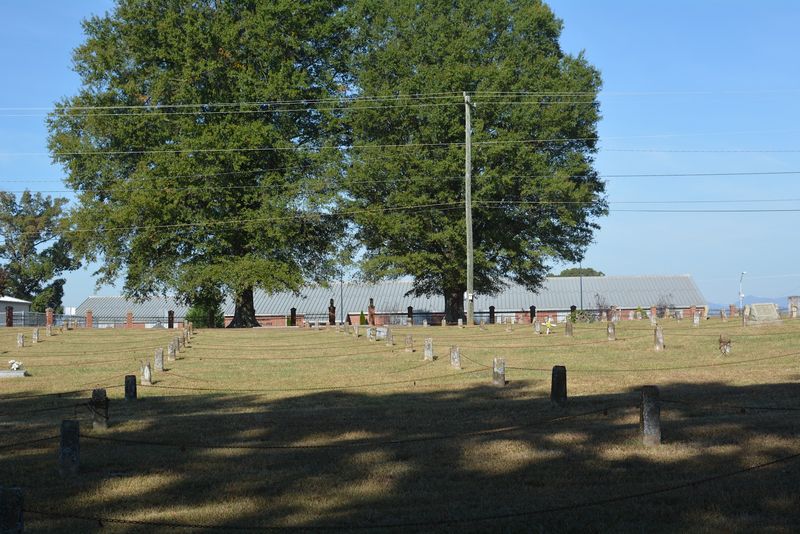
Behind the main campus, the cemetery asks for a quieter kind of attention.
More than 1,500 people are buried there, according to accounts of the hospital’s history.
Many were patients whose lives ended while they were in care. The graves make the human scale of that history easier to understand than any ghost story can.
For years, numbers rather than names marked many resting places.
Later efforts by chaplains, volunteers, and local historians helped connect graves with identities and add nameplates. A name on a marker cannot tell a person’s whole story, but it matters.
It reminds us that each grave belongs to an individual, not simply to a chapter in the hospital’s past.
A cemetery on hospital grounds is not a spooky attraction.
If you want to learn about it, look for reliable historical information and check current access rules before planning any visit.
Treat the grounds as a place of remembrance, give others space, and leave markers undisturbed.
The contrast with the nearby old wards is striking: one site invites rumors about who might still be there, while the cemetery records people who truly were. Its most lasting lesson is simple.
Curiosity should always be paired with respect for the people and families connected to this place.
Patients Left The Old Wards When A Modern Hospital Opened In 2019
The quiet in the old wards has a clear date behind it.
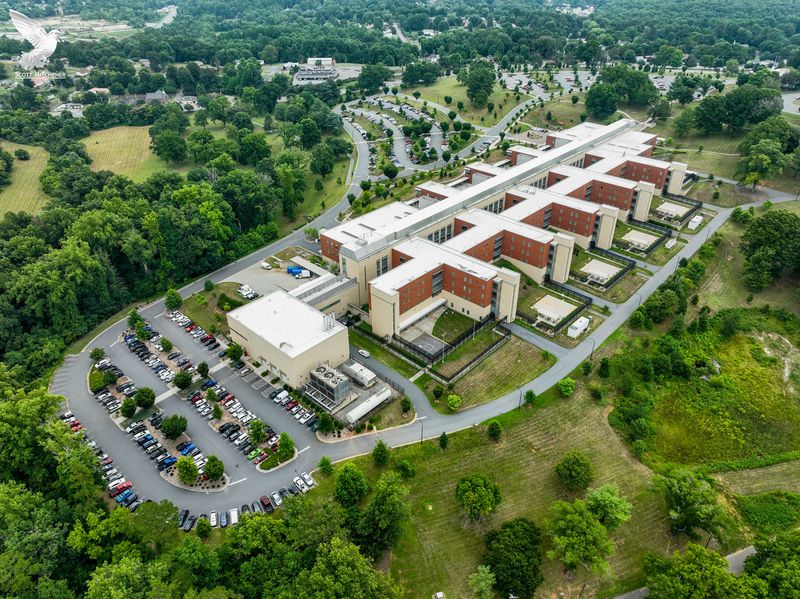
Patients moved into Broughton Hospital’s modern facility in September 2019, ending the historic buildings’ long role as patient wards.
The new building had been completed earlier, but the move is the event that explains why older patient spaces became empty. It did not mean the hospital closed.
Care continues on the same Morganton campus.
The newer facility brings services together in spaces designed for present-day needs, including natural light and areas for therapeutic activities. In North Carolina, that distinction matters whenever the hospital is described as abandoned.
Some legacy rooms may be vacant, and other historic spaces have non-patient uses, but an active care facility stands nearby.
For anyone drawn to the old architecture, the change offers a lesson in how places adapt.
A building that once served a busy ward can become quiet while the work of its institution continues elsewhere.
The Avery Building remains part of the campus story, even though it is not the setting for current patient care.
Check official information before making travel plans, and do not assume old buildings are open for tours. The most accurate picture includes both scenes: historic brick that recalls 1883 and a modern hospital carrying its mission forward.
The Creepiest Part Is That Most Haunted Tales Come From People Who Worked Here
A familiar hallway can become unsettling when it makes a sound you cannot explain.
That is why tales attributed to former Broughton Hospital workers have a different feel from stories invented by someone passing the grounds.
Staff spent long hours learning the ordinary rhythms of the place.
Accounts associated with them describe footsteps, voices, and a sense that a quiet space was not quite empty. Even so, familiarity does not settle what caused an experience.
A remembered event may be sincere without proving a supernatural explanation, and retellings can change details over time.
The careful way to share these accounts is to call them reported experiences.
Avoid presenting them as confirmed events or suggesting that the patients who lived here are the source of a haunting. Workers were also part of a real history of care, routine tasks, and change across more than a century.
Their stories offer a window into how an old workplace can stay vivid in memory.
Meanwhile, Broughton Hospital is still serving patients in its modern building.
If you leave with one thought, let it be more than a shiver: the most interesting question is how people remember a place where they spent so much of their lives. The folklore may draw your attention, but respect should guide what you do with it.