This Whimsical Connecticut Museum Is Filled With Vintage Carousel Magic
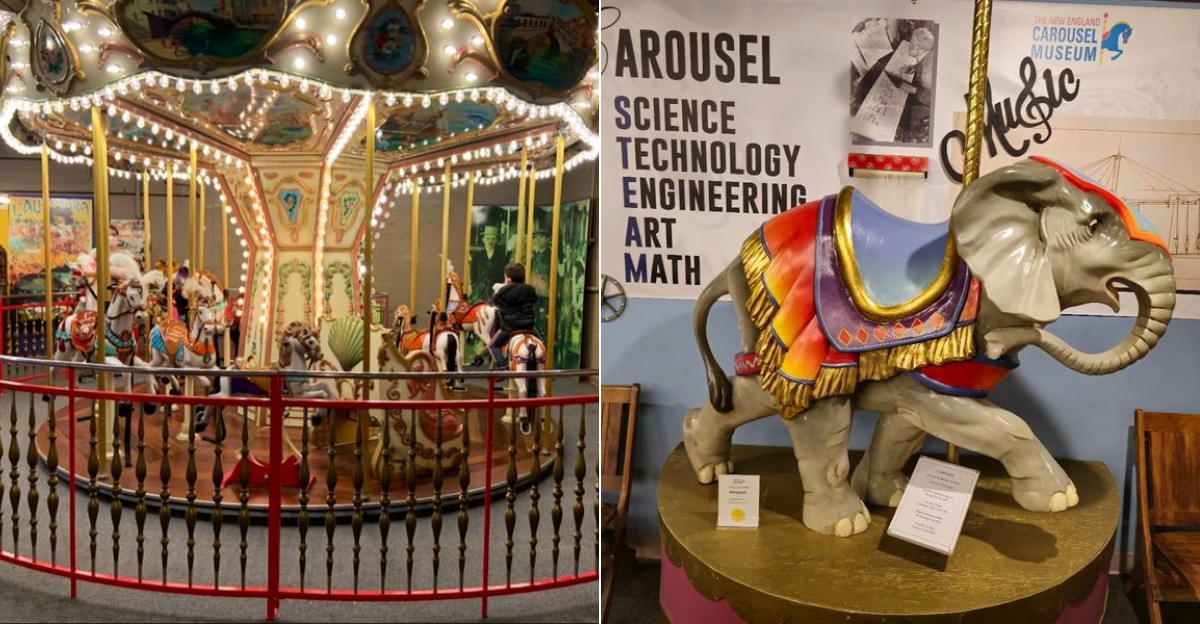
Hand carved horses, gilded chariots, and craftsmanship so detailed it stops you mid step – this is not your average museum visit. There is a whole world of artistry living inside vintage carousels that most people never even think about and this place blows that wide open in the most delightful way.
The whimsical museum dedicated to carousel magic in Connecticut is the kind of discovery that works for every age group without even trying – kids are immediately enchanted and adults cannot stop marveling at the level of skill that went into every single piece on display.
Restored figures, original paint, mechanisms that are older than anyone in the room – the whole collection carries this warm nostalgic energy that feels genuinely rare.
The kind of afternoon that sneaks up on you and turns into one of those days you keep bringing up in conversation weeks later.
1. A Playful Museum Where Carousel History Comes To Life
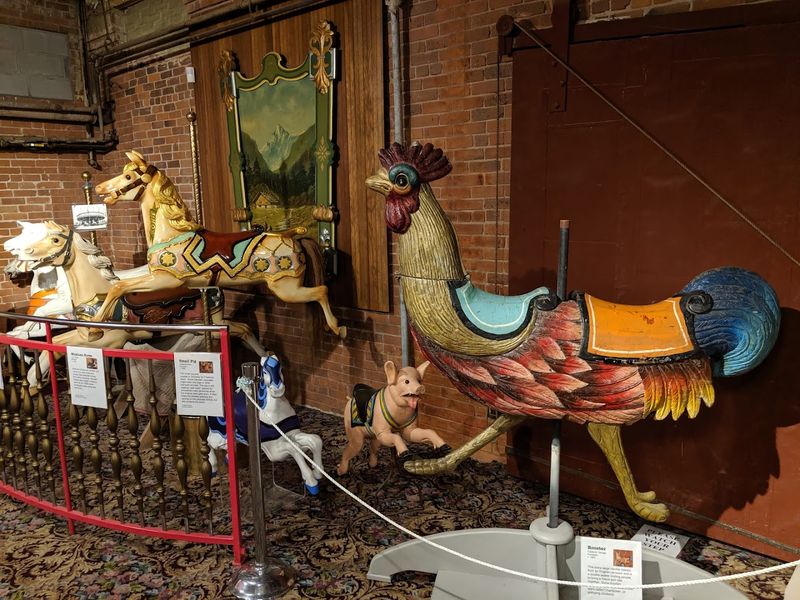
Walking into a building filled floor to ceiling with hand-carved horses and spinning carousel figures feels a little like stepping into a living storybook. The Carousel Museum in Bristol, Connecticut preserves and celebrates the rich American tradition of carousel art in a way that feels approachable for all ages.
The building itself dates back to 1904 and once served as a garment factory, which gives the space a rustic, industrial warmth that pairs surprisingly well with the colorful exhibits inside.
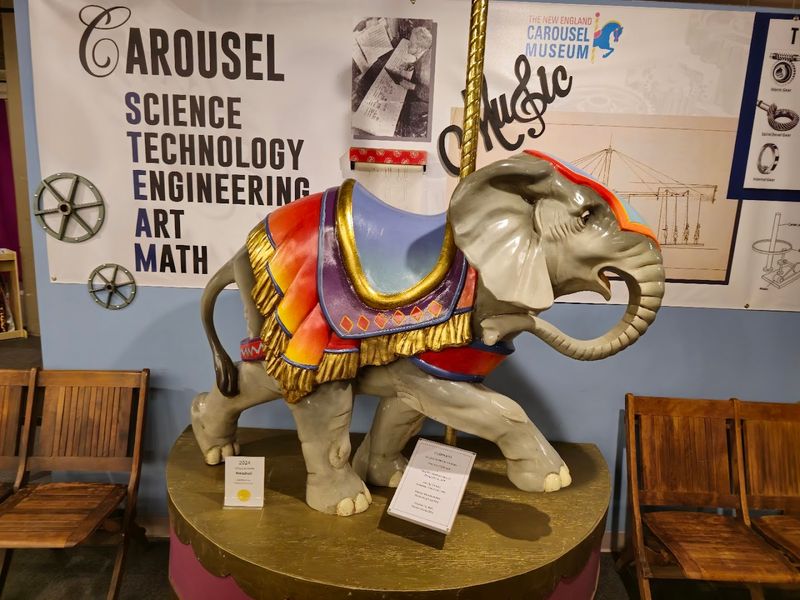
Visitors can explore two floors packed with carousel animals, historical displays, and interactive areas. The collection spans multiple eras of carousel craftsmanship and includes both original antique pieces and carefully restored examples that show off the skill involved in making these rides.
Informational books placed throughout the exhibits invite visitors to slow down and read about individual horses and their histories.
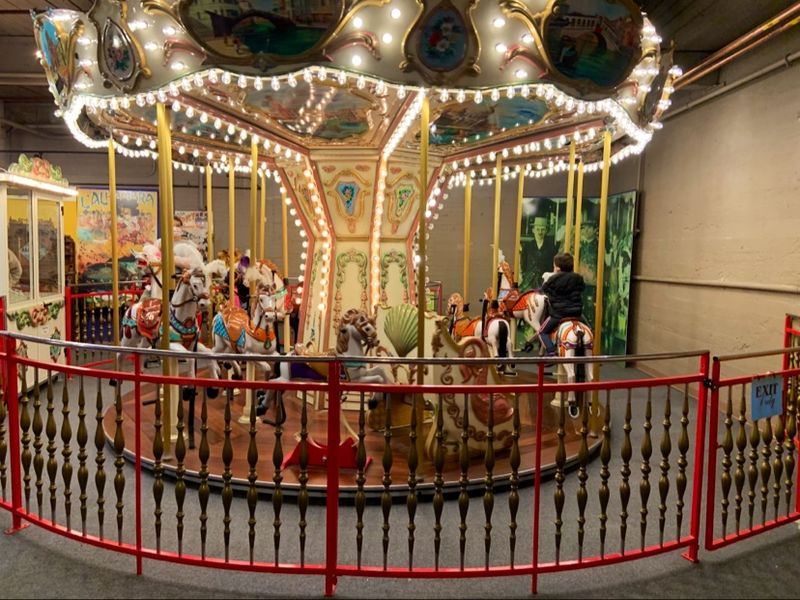
A working indoor carousel is one of the highlights, offering rides accompanied by the sound of an automated piano that adds an old-fashioned atmosphere to the experience. The museum also includes a firefighter history section and a Hellenic culture exhibit, all accessible with a single admission.
Adults and children tend to find plenty to hold their attention throughout a full afternoon visit.
2. What Makes This Connecticut Attraction Feel So Whimsical
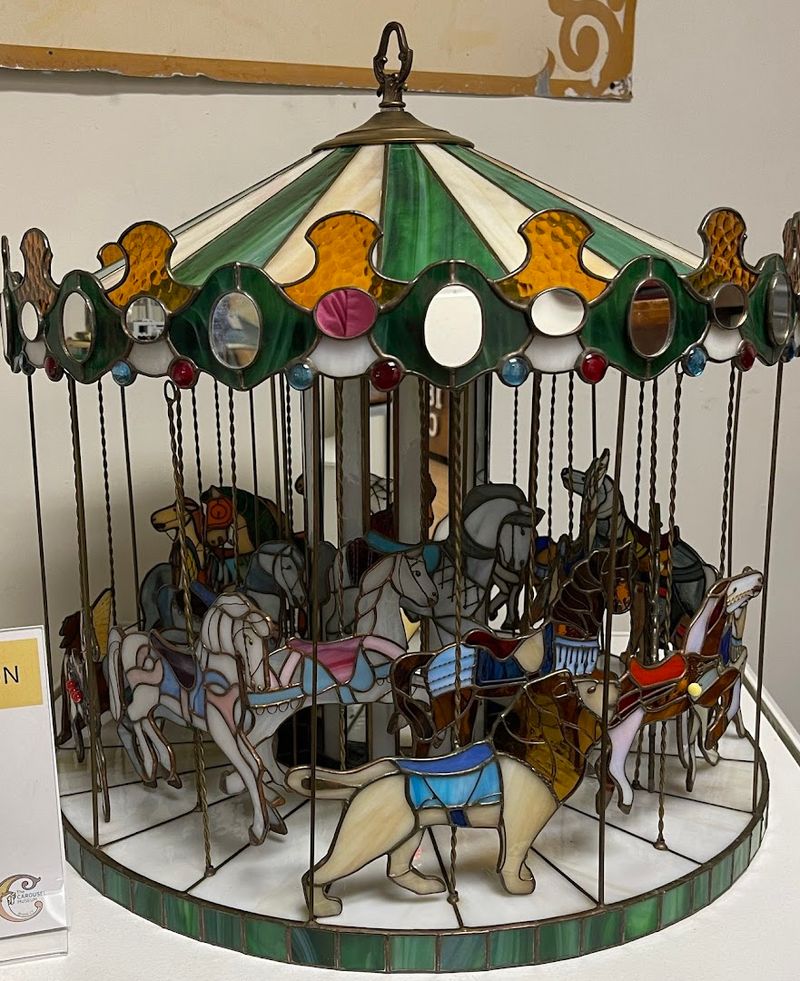
There is something genuinely transportive about the atmosphere inside this museum that goes beyond just looking at old objects. The combination of vivid paint, intricate carvings, and the soft mechanical hum of a working carousel creates a sensory experience that feels layered and unhurried.
Sunlight filtering through the older factory windows lands on gilded horses and mirrored panels in a way that makes the whole room feel like it belongs to a different era.
Part of what gives the space its charm is that nothing feels overly polished or sterile. The exhibits have a handmade quality to them, and the building itself carries visible history in its structure.
That contrast between the worn industrial bones of the space and the ornate beauty of the carousel pieces creates a tension that keeps the eye moving and the mind curious.
Staff members at the museum tend to be knowledgeable and genuinely enthusiastic about the collection, which adds to the warm tone of a visit. Tours are available and cover topics like painting techniques, sculpting methods, and the restoration process.
A dedicated studio space allows visitors to watch restoration work in progress, which gives the museum a living, working quality that static collections often lack.
3. The Vintage Horses And Hand-Carved Details Worth Noticing
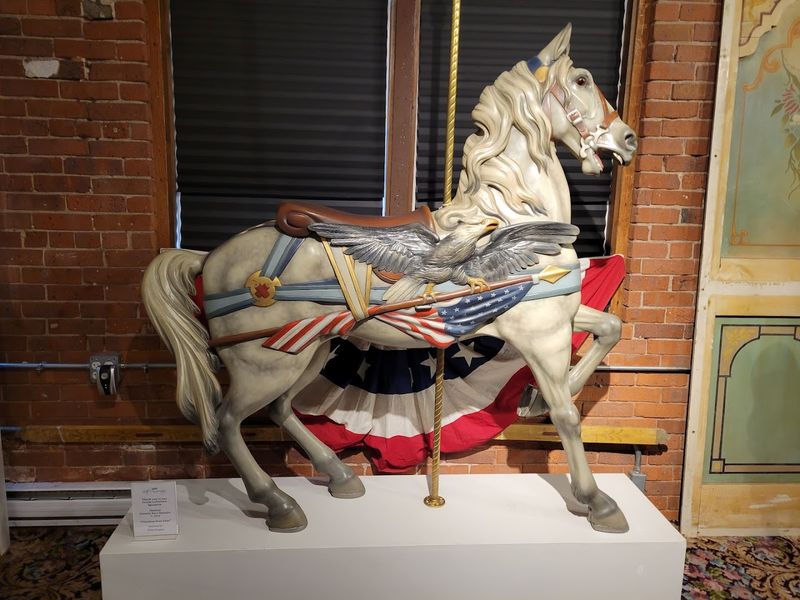
Every carousel horse in the collection tells its own story through the details carved into its mane, saddle, and stance. Skilled craftsmen from the late 1800s and early 1900s put extraordinary effort into these figures, and up close the results are striking.
Some horses feature floral saddle blankets, ribbons worked into their tails, and expressions that range from serene to almost fierce depending on which carving school produced them.
Different regional styles of carousel carving developed across the United States during the golden age of the carousel, and the museum does a good job of showing those distinctions. Figures from the Coney Island style tend to be more elaborate and dramatic, while Philadelphia-style horses often have a more naturalistic and elegant appearance.
Seeing these differences side by side helps visitors appreciate how much regional craft tradition shaped each piece.
Beyond the horses, the collection includes other carousel animals such as lions, giraffes, and rabbits that were common on menagerie-style carousels. Each figure is worth examining slowly rather than passing by quickly.
The books placed near displays offer context about where specific animals came from and who carved them, turning a casual walk through into something closer to a genuine history lesson delivered in a very enjoyable format.
4. How The Museum Preserves A Colorful Piece Of American Folk Art
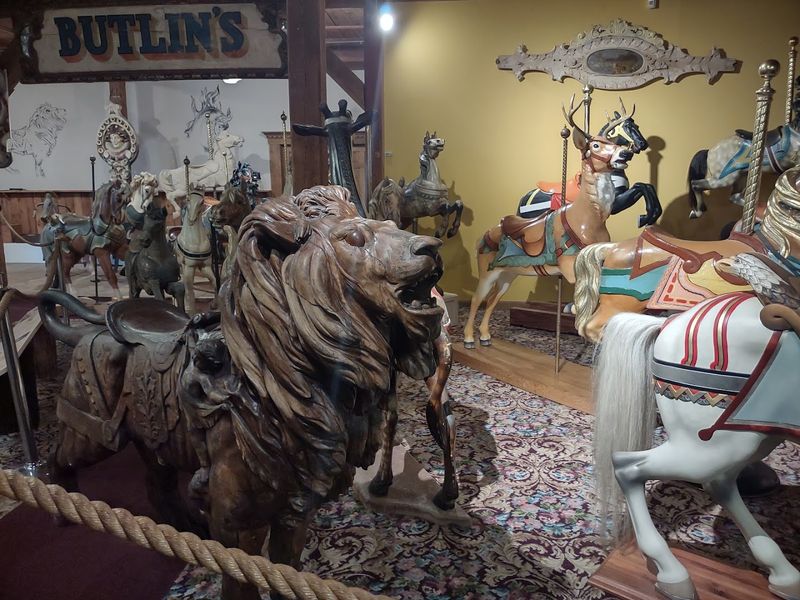
Carousel art occupies a fascinating space in American cultural history, sitting at the crossroads of folk craft, commercial entertainment, and fine decorative art. For decades these pieces were treated as disposable amusements, and many were destroyed or lost when carnivals and parks closed.
The Carousel Museum in Bristol actively works against that loss by collecting, restoring, and displaying pieces that might otherwise have disappeared entirely.
The restoration studio visible to visitors is one of the most compelling parts of the experience. Watching skilled hands bring faded paint back to life or repair a cracked wooden leg gives real weight to the idea of preservation.
The process is slow and careful, and seeing it in action makes the finished pieces in the main gallery feel even more meaningful.
Admission to the museum includes access to exhibits that explain both historical and modern restoration techniques, so visitors leave with a genuine understanding of what goes into keeping these objects alive. The museum holds a collection of carousel ephemera alongside the figures themselves, including photographs, mechanical parts, and documentation that traces the arc of the American carousel industry from its peak in the early twentieth century to its gradual decline.
Preserving that full picture is clearly a priority for the people who run and support the space.
5. Why Families And Nostalgia Lovers Enjoy The Visit
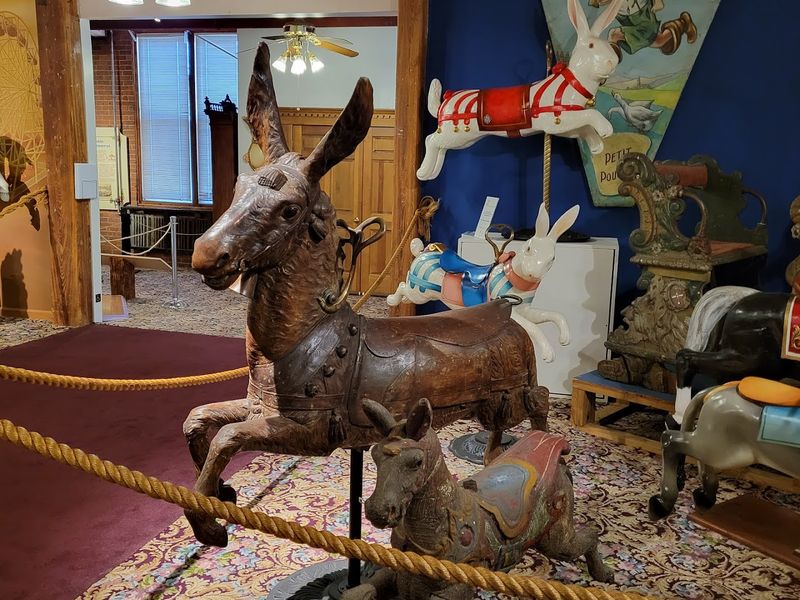
For families with younger children, the museum offers several hands-on elements that go well beyond looking at glass cases. A small working carousel inside the building lets kids take actual rides for just one dollar, which tends to be a highlight for younger visitors.
The automated piano that plays during carousel rides adds a vintage soundtrack to the moment and gives parents a genuine taste of what these rides felt like a hundred years ago.
A scavenger hunt runs throughout the exhibits and keeps kids engaged while moving through the space at a comfortable pace. A dress-up and play area allows younger children to act out their own stories, which makes the visit feel interactive rather than passive.
Birthday parties are also hosted at the museum, and the venue has been used for celebrations ranging from toddler birthdays to adult events.
For adults who grew up visiting carousels at fairs or seaside parks, the museum has a strong nostalgic pull. The combination of familiar shapes, bright colors, and the sound of mechanical music taps into a specific kind of childhood memory that many visitors find unexpectedly moving.
Even people who arrive with low expectations often find themselves spending considerably more time inside than they originally planned, which tends to be a reliable sign of a genuinely engaging place.
6. Inside The Bright Displays, Restored Figures, And Classic Carousel Charm
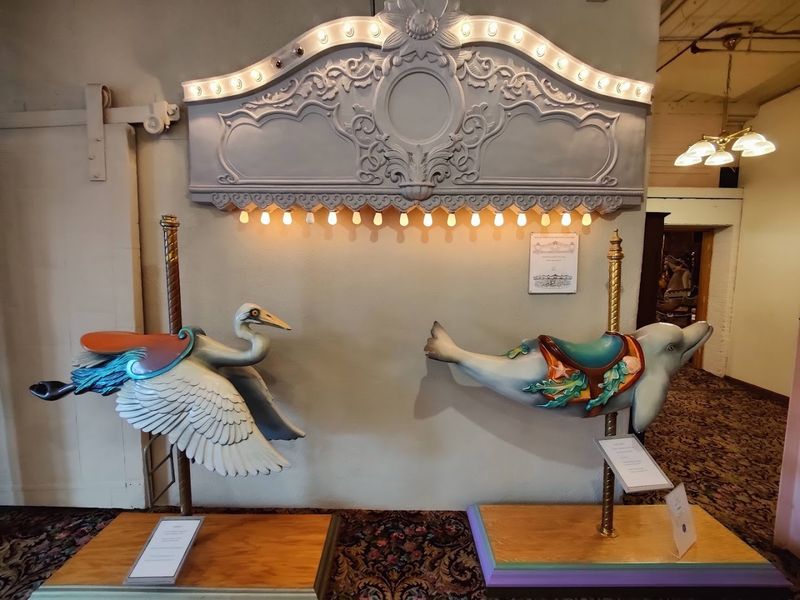
The layout of the museum encourages slow exploration rather than a rushed walkthrough. Restored carousel figures are arranged throughout the main gallery in a way that allows visitors to circle each one and examine it from multiple angles.
Mirrors, decorative rounding boards, and mechanical components are displayed alongside the animals, giving a fuller picture of how a complete carousel was assembled and experienced by riders.
Color is everywhere in the space, from the painted surfaces of the figures themselves to the decorative panels and banners that line the walls. The visual density of the collection could feel overwhelming, but the layout manages to keep things legible by grouping pieces thoughtfully and providing context through nearby signage and reading materials.
Natural light from the building’s older windows helps prevent the space from feeling dim or cave-like despite how much is packed into it.
A large event space on the upper floor features a grand piano and additional carousel animals on display, and that room can be rented for private gatherings. Seeing the space during a regular museum visit gives a sense of its scale and elegance.
The combination of restored figures, architectural character, and carefully curated displays makes the interior feel genuinely special rather than like a storage facility for old objects.
7. Where To Find The Carousel Museum In Connecticut
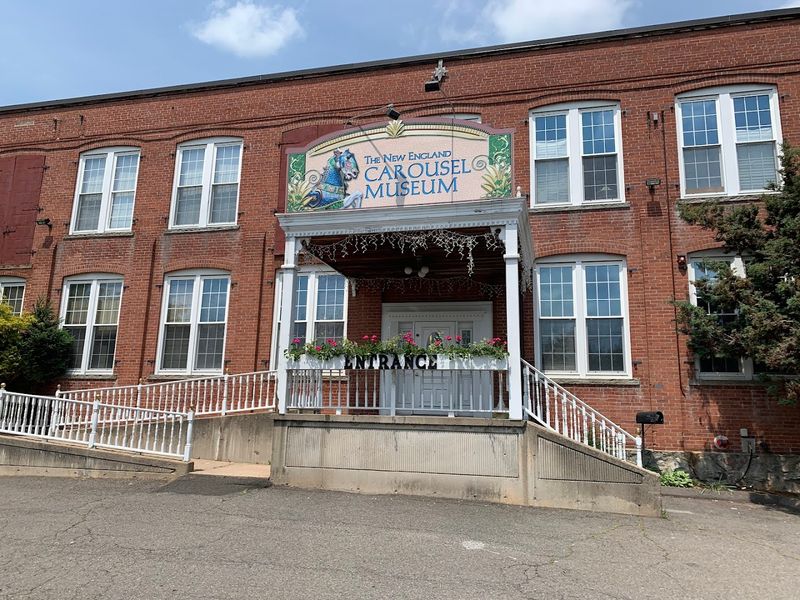
Finding the museum is straightforward for anyone driving into Bristol from surrounding Connecticut towns. The venue sits at 95 Riverside Ave, Bristol, CT 06010, housed in a historic factory building that has been converted into a welcoming cultural space.
The address is easy to navigate to using standard map apps, and parking is available on site, which removes one common logistical headache from the visit.
Bristol is located in Hartford County and is accessible from major routes through central Connecticut, making it a reasonable day trip from cities like Hartford, New Haven, or even Springfield, Massachusetts. The surrounding area has a relaxed small-city character that pairs well with an afternoon museum stop.
Arriving by car is the most practical option since public transit connections to the area are limited.
The official website carries updated information about admission pricing, special events, and seasonal programming. Checking ahead before visiting is a good habit since hours vary by day of the week, and the museum is closed on Mondays and Tuesdays.
Admission pricing is considered reasonable for the amount of content included across all three museum sections available to visitors.
8. When To Visit For A Fun And Easy Afternoon Stop
Regular operating hours run Wednesday through Friday from 10 AM to 5 PM, with Thursday hours extending to 8 PM for those who prefer an evening visit. Saturday hours also run from 10 AM to 5 PM, and Sunday hours are noon to 5 PM.
Mondays and Tuesdays are closed, so planning around those days is important to avoid a wasted trip.
Weekday visits during school hours tend to be quieter, which allows for a more relaxed pace through the exhibits. Weekend mornings shortly after opening can also be a good window before larger family groups arrive later in the day.
Thursday evenings offer a less common option that works well for visitors who cannot make it during standard daytime hours.
Special events are held periodically throughout the year, including themed evenings and seasonal programming that draw different crowds than a standard museum visit. Checking the museum calendar before arrival helps visitors catch any special programming that might align with their interests.
Groups and school parties do visit the space, so calling ahead to ask about scheduled group tours on a particular day could help solo visitors or small families time their arrival for a calmer experience. Most visits last between one and two hours depending on how much time is spent reading the exhibit materials.
9. The Little Details That Make This Museum Feel Magical
Beyond the big carousel figures and the working ride, the museum holds a quiet layer of smaller details that reward attentive visitors. Decorative rounding boards painted with pastoral scenes and gilded borders line certain displays, and these pieces are easy to walk past quickly without realizing how much skill went into producing them.
Slowing down near these panels reveals a level of craft that matches anything found in a formal fine art museum.
Mechanical components like gear assemblies and drive systems are displayed in ways that make the engineering side of carousels visible and understandable. For visitors who are curious about how things work, these sections add a dimension to the experience that goes beyond aesthetics.
Seeing the machinery alongside the decorative elements makes it easier to appreciate carousels as complete systems rather than just pretty objects.
Small touches throughout the space contribute to the overall feeling of warmth and care. Reading materials placed near individual pieces invite lingering rather than rushing.
The scavenger hunt format used for younger visitors also works as an unofficial guide for adults who want a structured way to move through the collection. Together these elements create a visit that feels thoughtfully designed to leave people with a genuine sense of having learned something and enjoyed the process of doing so.