You Have To See This Incredible Underground Cave Hidden In Northwest Georgia
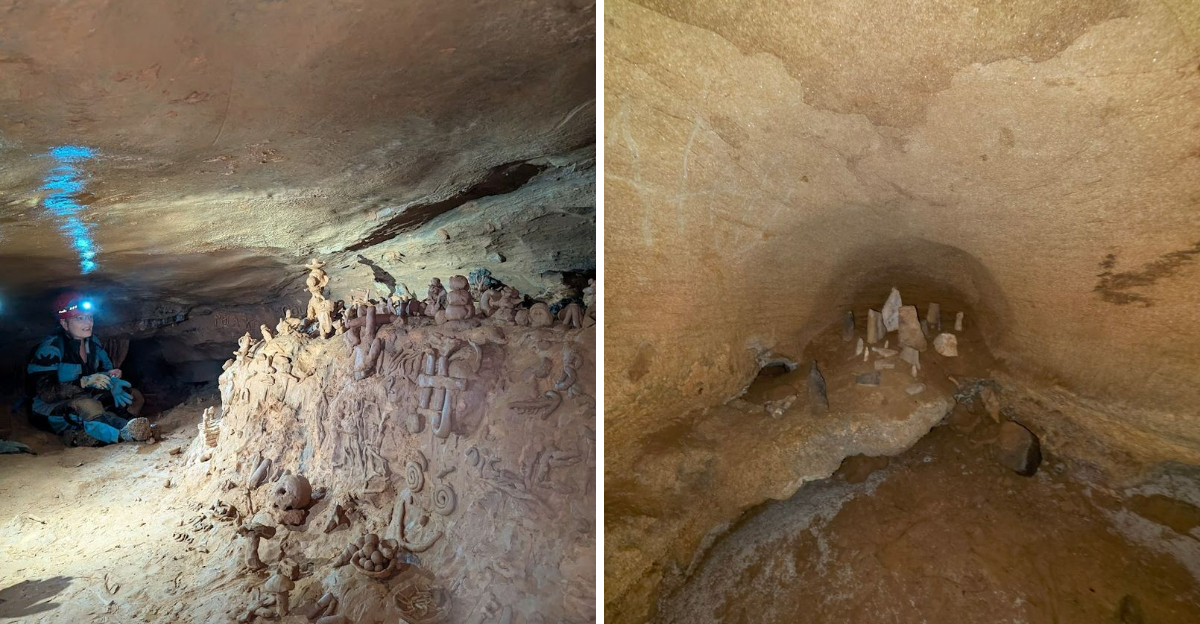
My flashlight flickered twice before I found the courage to keep walking. Cold air hit my face before my eyes adjusted to the dark.
I almost turned back at the entrance, honestly. Then the ceiling opened up into something I still can’t fully describe.
Rock formations older than any building I’ve ever stood in, dripping quietly like the cave was breathing. Georgia keeps this kind of thing well hidden, behind ordinary trails and unremarkable signs.
My brother went in laughing and came out completely silent. That alone told me something special had just happened.
Georgia holds more secrets underground than most people realize, and this one proves it in the strangest way. Bring a flashlight, bring your nerve, and maybe leave the flip flops in the car this time.
A Cave Entrance That Barely Gives Away The Surprise
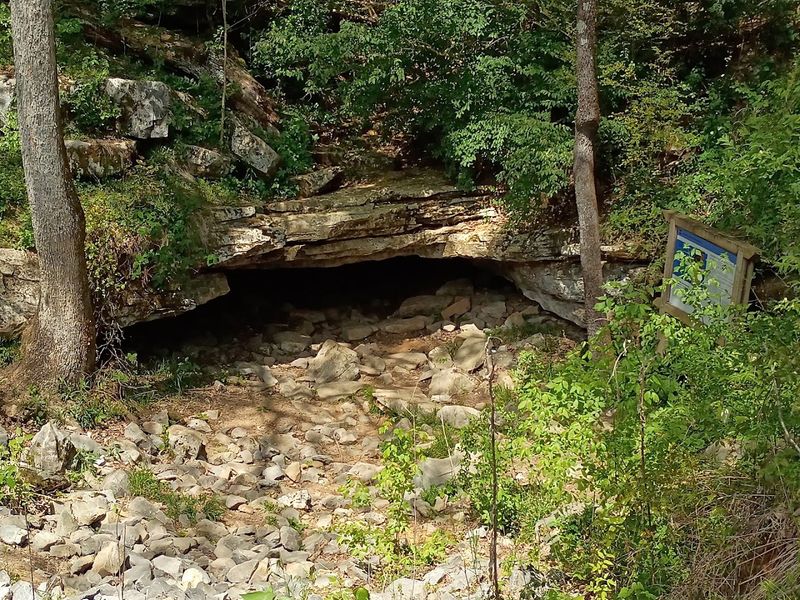
Nothing makes me grin faster than a place that keeps its best secret quiet. From the road, the entrance can seem so modest that you might pass it without a second look.
That small first impression is part of the fun. I like how the land does not brag, because the surprise feels bigger once you realize a long cave system waits below.
Even better, the setting feels natural instead of staged for photos. Trees, rock, and a simple pull-off create the kind of arrival that makes me pay closer attention to every detail.
Some days, a stream above the opening adds extra drama to the scene. After heavy rain, water can spill over the entrance, but at other times it may shrink to only a trickle.
That changing look gives each visit a slightly different mood. If you go, slow down near the roadside and stay alert for the preserve entrance so you do not miss the adventure entirely.
I also appreciate that the surprise feels earned, not manufactured. The full location is Howard’s Waterfall Cave, 1728, 264 Back Valley Rd, Trenton, GA 30752, United States.
The Waterfall Above The Opening Adds Real Drama
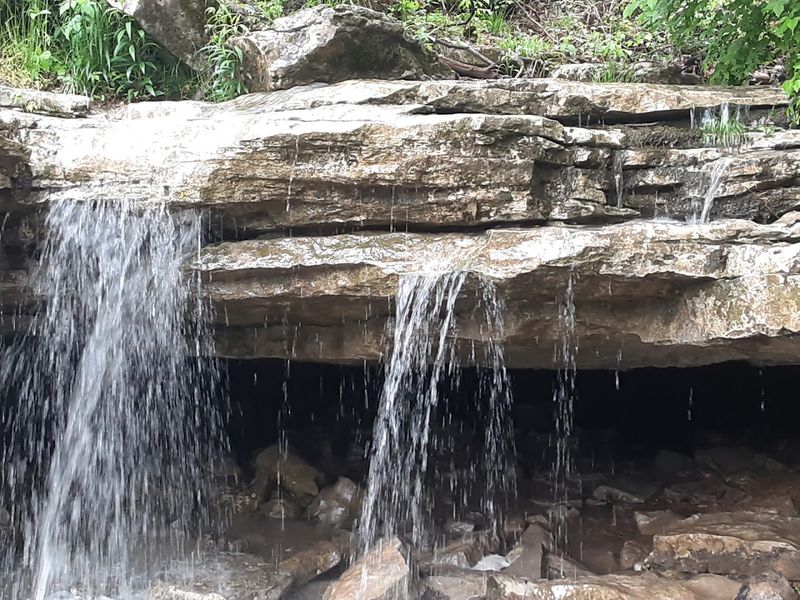
Rain can turn an already memorable stop into a full-on nature show. A stream runs above the opening, and after strong rain it can pour down as a waterfall.
That feature gives the cave its famous name, yet it does not perform on command. I actually like that honesty, because the place changes with the weather instead of pretending to be the same every day.
On drier days, the water may shrink to a thin ribbon or small trickle. The quieter version still feels special, especially when you notice how the rock, moisture, and shade shape the entrance area.
Timing matters more here than fancy planning apps. If you hope to see stronger flow, check recent rain before leaving home and keep expectations flexible once you arrive.
Good shoes become a smart idea when the ground is wet. Slippery mud and slick rock are part of the cave experience, so steady footing helps you enjoy the scene without extra stress.
I think the changing waterfall makes the whole outing more memorable. Nature feels a little more alive when the same place can look bold one week and calm the next.
Three Miles Of Passages Keep The Mystery Going
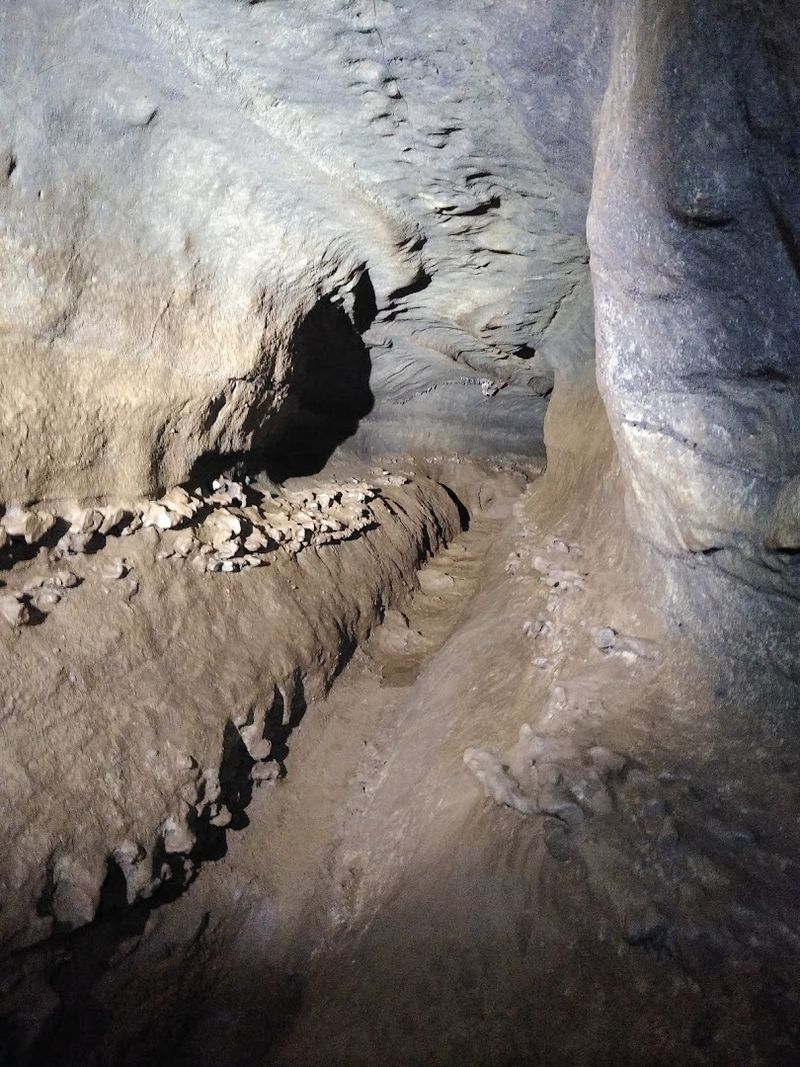
Big surprises sometimes hide behind small openings, and this cave proves it. The system stretches about three miles, which gives the underground world a much larger feel than the entrance suggests.
That size matters because the cave is not just one simple chamber. Inside, there are branching passages and a maze-like layout that makes the space feel layered, old, and wonderfully mysterious.
I find that kind of structure more exciting than a quick peek spot. You are not just stepping underground for a photo, because the cave invites careful movement and real attention.
Another interesting detail makes the system even more unusual. There are five distinct entrances, which hints at how complex the network is beneath the surface.
Even so, longer does not always mean harder in the same way a mountain trail is hard. This is known as a horizontal cave, so the experience focuses more on navigating passages than major vertical drops.
That said, I would never treat the size casually. A place with miles of tunnels deserves respect, steady pacing, and enough preparation to keep the adventure fun instead of confusing.
Beginner Friendly Does Not Mean Effort Free
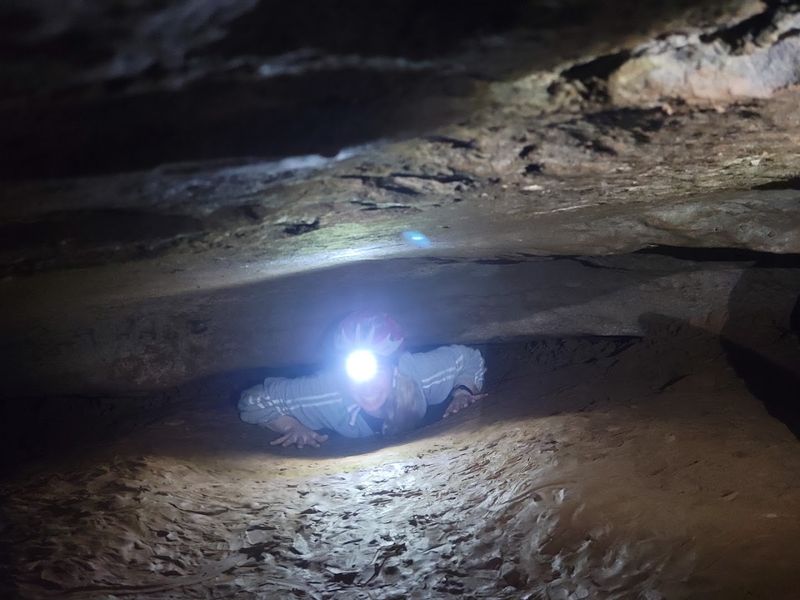
Calling a cave beginner friendly can be helpful, but it should never sound easy. This spot is often described as a good horizontal cave for newer explorers, yet it still demands care.
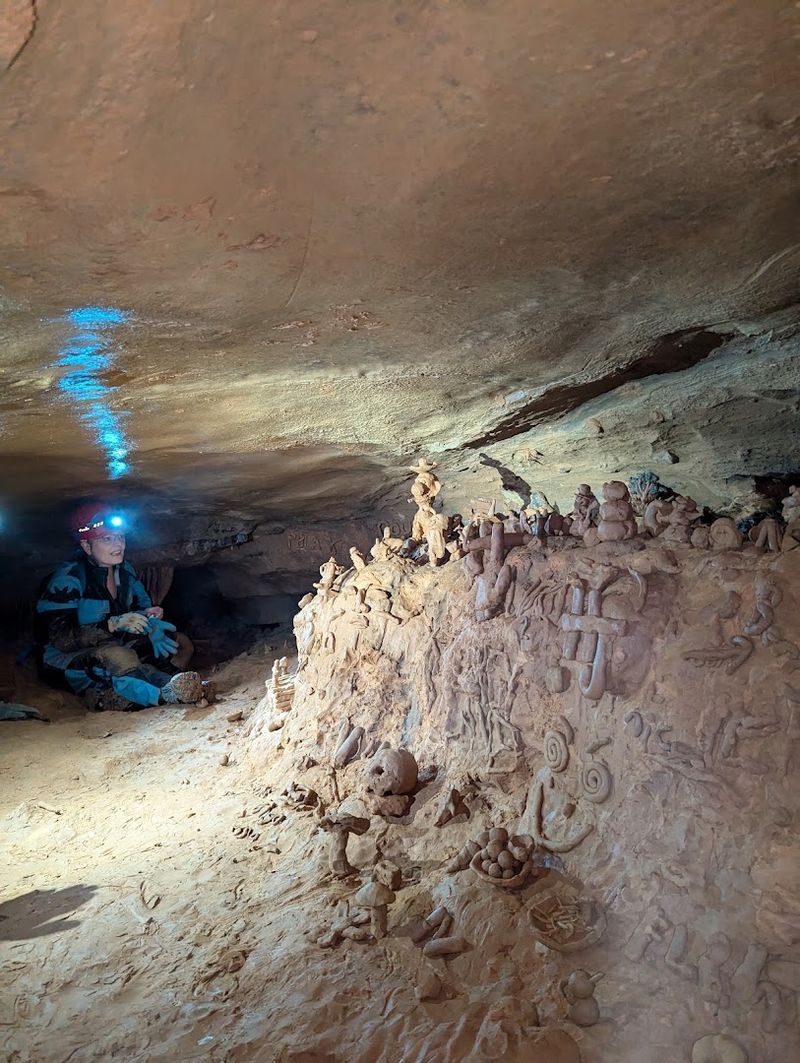
Crawling is a real part of the experience here. Muddy floors, tight spaces, and narrow sections mean you may spend plenty of time low to the ground instead of strolling upright.
I think that is useful to know before you go. The adventure feels better when your expectations match reality, especially if you are deciding whether everyone in your group will enjoy it.
Several passages can be wet, slick, or snug depending on conditions. People who dislike cramped spaces may want to think honestly before choosing this outing.
What helps most is a calm pace and simple common sense. I would treat the cave like a place for patience, not speed, because underground fun disappears fast when someone rushes.
For first-timers, going with experienced company is a smart move. You learn more, move more confidently, and spend less energy guessing which squeeze, crawl, or turn makes the most sense ahead.
A Rare Cherokee Writing Panel Gives The Cave Deeper Meaning
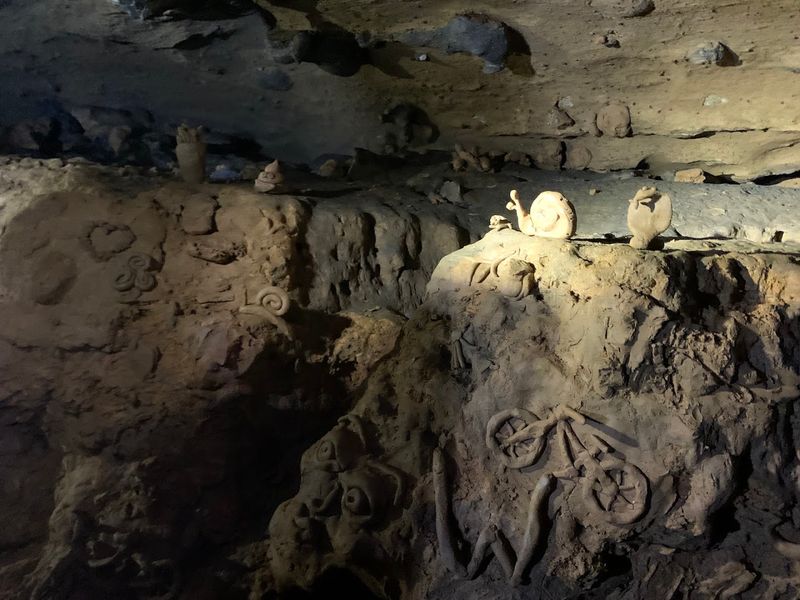
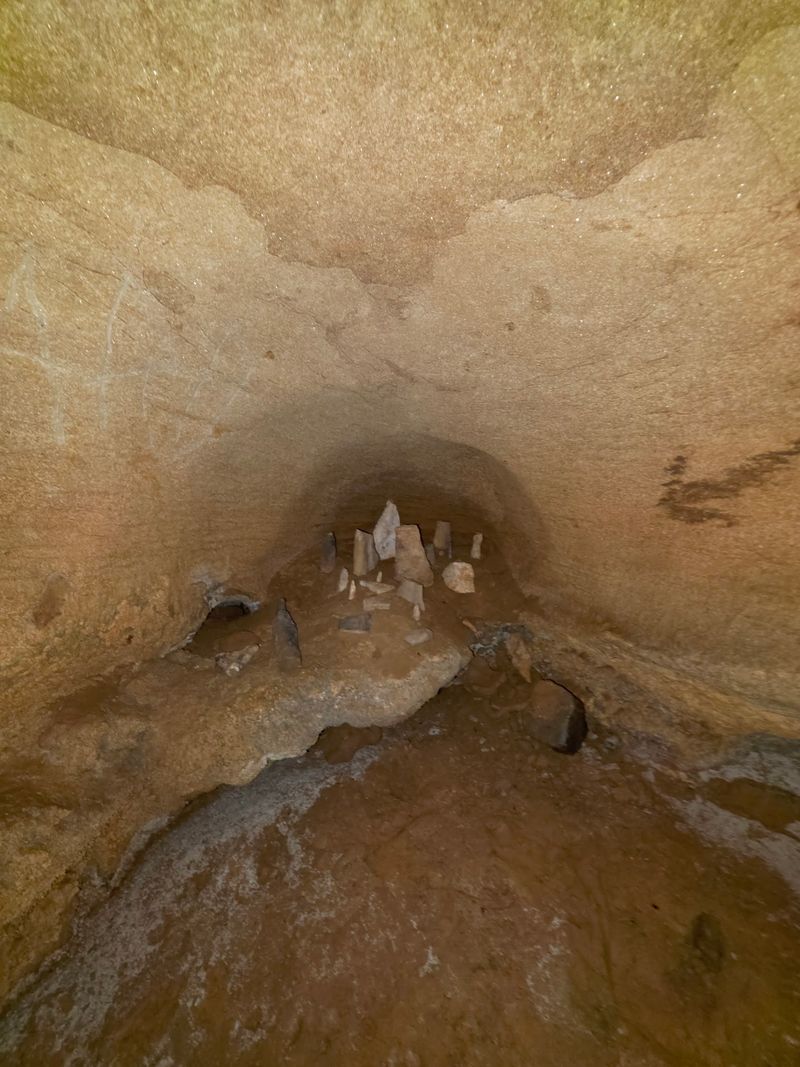
History sneaks up on you here in the best possible way. One of the cave’s most important features is a panel of Cherokee Syllabary inscriptions protected behind a steel gate.
That detail gives the place a deeper meaning than simple adventure. The writing system was invented nearby in the early 1800s by Sequoyah, which makes this preserved area especially significant.
I love when an outdoor trip teaches me something unexpected. Instead of only thinking about mud and tunnels, you also get a reminder that landscapes can hold cultural memory.
The gate matters because preservation matters. People can know the feature is there without crowding it, touching it, or causing damage that cannot be undone.
That balance feels wise to me. Access should spark curiosity, but fragile history deserves distance, patience, and rules that keep important things from being worn away over time.
If you visit, treat every marked or protected area with real respect. A cave can be exciting and educational at once, and that combination is one reason this place stands out.
A Free Permit Keeps Visits Organized And Responsible
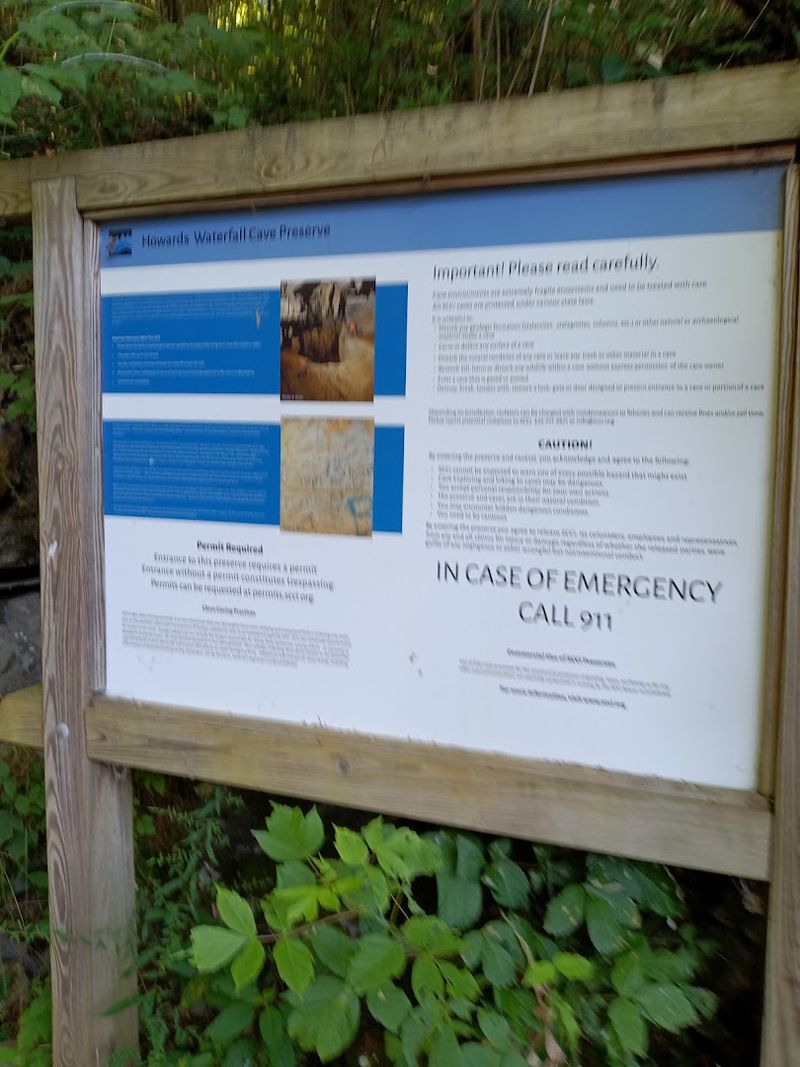
Adventure with paperwork sounds funny, but here it makes perfect sense. Access requires a free online permit through the Southeastern Cave Conservancy, which helps manage and protect the preserve.
I actually appreciate that step more than I expected. A permit system reminds visitors that the cave is not a casual drop-in stop where rules disappear underground.
Getting the permit ahead of time is the easiest move you can make. It reduces confusion at the site and encourages people to plan gear, timing, and group details before arriving.
That kind of structure supports conservation, which this place clearly needs. Sensitive formations, historic features, and underground wildlife all benefit when visits are tracked and expectations stay clear.
There is another rule worth remembering before you pack the car. Camping is not allowed within the preserve, so treat the trip as a day adventure instead of an overnight outing.
I would handle the permit early and keep your plans simple. When the logistics are settled first, you can spend more attention on the cave itself and less on avoidable last-minute scrambling.
The Preserve Feels Wild Without Being Huge
Size can be a sneaky little trick when judging outdoor places. The preserve covers about 10 wooded acres, yet the experience feels bigger because the real wonder continues underground.
Above ground, the setting sits in the foothills of Georgia’s Appalachian region. That gives the area a rugged, wooded character that fits the cave’s quiet, earthy personality.
I like that the landscape does not feel overbuilt or overly polished. The natural surroundings set the tone early, so the visit begins with trees, rock, and shade instead of distractions.
That smaller preserve footprint also changes how I think about care. In a compact protected area, every visitor choice matters more, from where you step to what you carry back out.
Even simple habits can help keep the place in good shape. Stay mindful, avoid disturbing features, and leave everything as undisturbed as possible for the next group.
The best part is how the preserve balances accessibility with real atmosphere. You can reach an unusual underground attraction without losing that satisfying feeling of being close to wild nature.
It Pairs Perfectly With A Bigger North Georgia Day Out
Some outings end at the car, but this one can open the whole day. The cave sits a short drive from Cloudland Canyon State Park, which makes the area easy to build into a fuller adventure.
That nearby option matters because cave trips can be muddy and intense. Pairing the underground experience with scenic overlooks, trails, or a picnic gives the day a nice balance.
I like travel plans that mix one bold stop with one calmer stop. After crouching, crawling, and watching every step, fresh air and wide views can feel especially rewarding.
There is also a useful truth behind the article title. While the cave itself is not inside a Georgia State Park, its location near Cloudland Canyon State Park makes the region especially appealing for nature lovers.
That distinction is worth keeping clear so expectations stay honest. You are visiting a nature preserve, then possibly adding a state park visit nearby if time and energy allow.
For me, that combination is the sweet spot. One day can hold dark passages, muddy boots, wooded hills, and big sky views without feeling rushed if you plan carefully.