This Peaceful Idaho Town Still Keeps Typical Rent Around $1,000 A Month
Affordable living sounds almost suspicious when a town still manages to feel welcoming, practical, and easy to picture as home.
Blackfoot has that kind of pull.
The appeal is not built on big-city flash or overdone promises.
It comes from a slower pace, open skies, and a downtown that still feels connected to everyday life.
Housing here can look refreshingly reasonable compared with larger markets, without making the town feel cut off from comfort or convenience.
That balance matters.
A place can be affordable and still feel worth choosing, not just settling for.
Between the quieter rhythm, friendly community feel, and easy access to eastern Idaho scenery, this small city makes people rethink what value really looks like.
A quick stop can turn into a longer look, and a longer look can start sounding surprisingly sensible.
Start With The Rent Before Blackfoot Starts Looking Surprisingly Practical
Numbers get people’s attention first, even if they do not tell the entire story.
Older community profiles have placed Blackfoot’s median rent close to $839 a month, while more current 2026 rental trackers show the market varying by source, unit size, and listing type.
Apartments.com lists Blackfoot’s average rent around $890 per month, while Zillow’s broader observed rent figure has been closer to $1,060. Either way, the town still tends to look more approachable than many larger Idaho markets where rents can climb much faster.
That affordability is the first reason people pause, but it is not the only reason Blackfoot starts looking practical.
The housing stock is straightforward, with apartments, smaller homes, and modest neighborhoods that fit the town’s unpretentious personality.
Renters comparing Blackfoot with Boise, Coeur d’Alene, or fast-growing Treasure Valley suburbs may notice the difference quickly. The tradeoff is that inventory can be limited, so availability may matter as much as price.
Still, for people who want a calmer eastern Idaho base without paying big-city prices, Blackfoot deserves a closer look. The rent conversation opens the door.
The town’s slower pace, location, and everyday usefulness keep it open.
Walk Downtown When The Town Feels Easy To Read
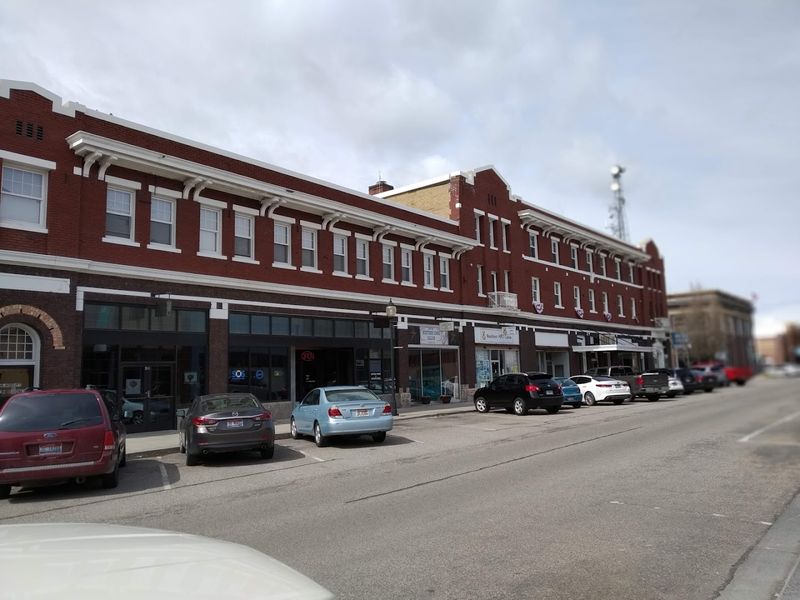
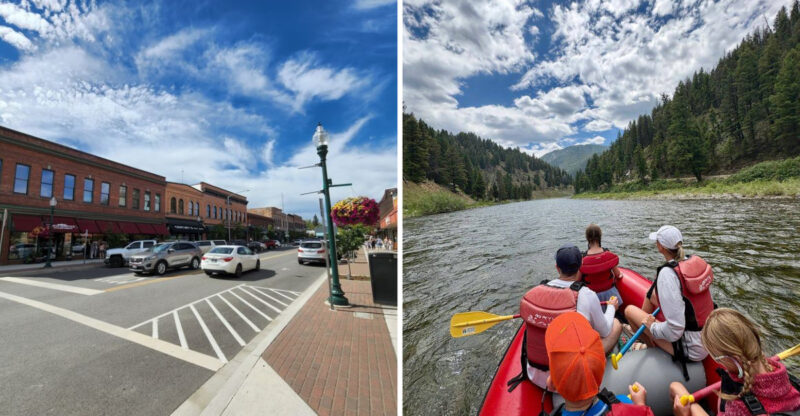
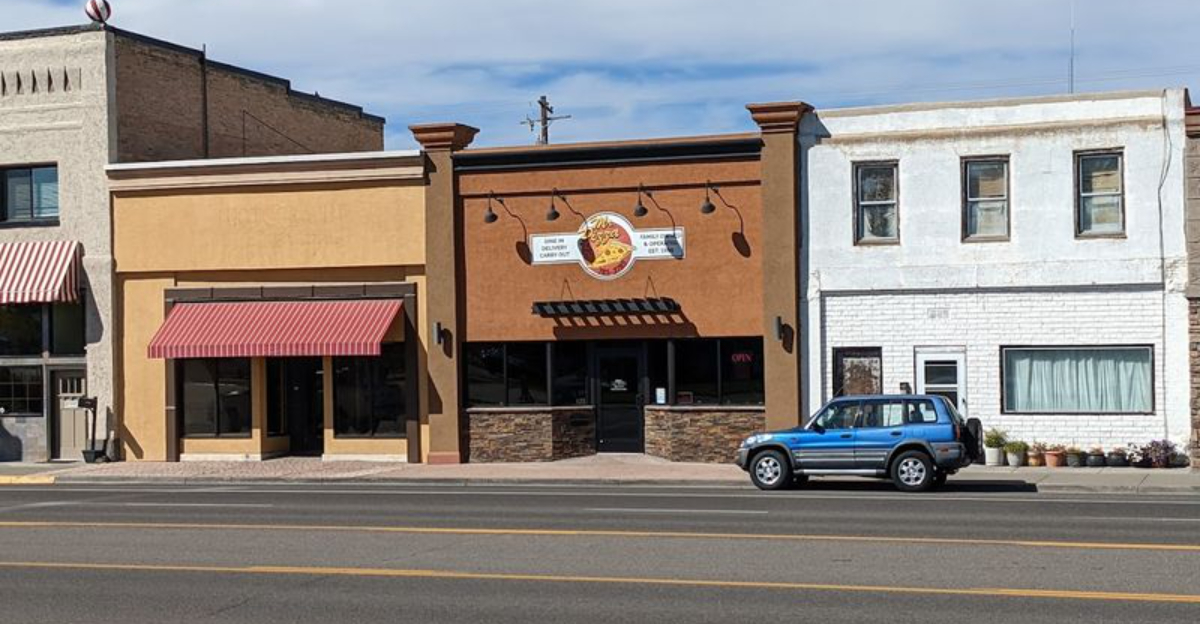
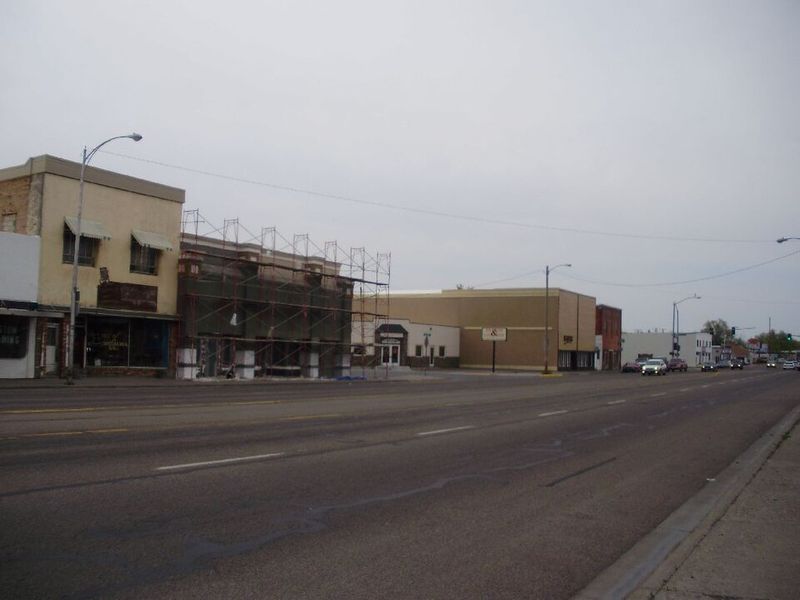
Downtown Blackfoot does not overwhelm anyone with glossy reinvention, and that can be a relief. The streets feel practical, familiar, and easy to understand, with older buildings, local shops, small restaurants, and a pace that lets visitors notice details without dodging crowds every few steps.
Bridge Street and the surrounding downtown blocks give the city a modest but real center, one shaped by agriculture, rail history, county life, and generations of everyday use.
This is not a shopping district trying to mimic a resort town.
It feels more like a working small-city downtown where errands, lunch stops, thrift browsing, and casual conversations still belong. Thriftopia at 123 W.
Bridge Street is one of those local browsing stops where people can hunt for something unexpected without turning the morning into a production. Nearby businesses add texture, especially for visitors who enjoy places that feel locally used rather than visitor-manufactured.
Parking is usually less stressful than in larger cities, and walking a few blocks gives a decent feel for Blackfoot’s personality. The charm is subtle.
It comes from the fact that downtown is not performing too hard. It simply gives the town a readable, grounded center.
Visit The Idaho Potato Museum For The Stop Everyone Mentions
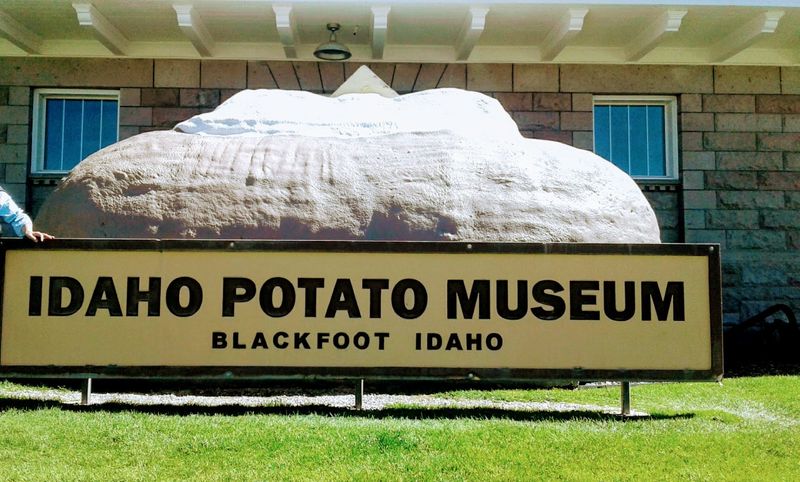
One attraction explains Blackfoot’s identity faster than any welcome sign. The Idaho Potato Museum sits at 130 NW Main Street in downtown Blackfoot, inside the old Oregon Short Line Railroad Depot, and it celebrates the crop that helped make the city famous.
The site features farming history, industry information, potato facts, antique equipment, photos, souvenirs, and plenty of potato-themed humor. It keeps the experience informative while staying lighthearted and fun.
The depot setting matters because it connects the story of agriculture with the rail lines that helped move Idaho potatoes beyond the region.
Visitors often come for the novelty, then stay longer than expected because the museum is more informative than the roadside-attraction idea suggests.
The gift shop is part of the fun, with potato-themed items that range from practical to proudly ridiculous.
A small café or snack element may be available depending on current operations, so checking hours before visiting is smart. For newcomers, this stop is almost mandatory.
It gives Blackfoot a clear sense of place. Plenty of towns have museums, but very few have one that explains the local economy, the local joke, and the local pride all at once.
Check The Snake River Area When You Need Breathing Room
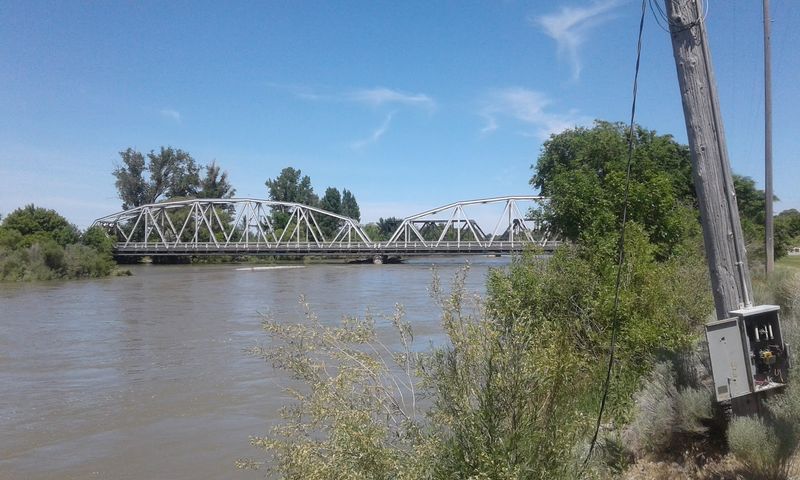
Open water gives Blackfoot an easy reset button. The Snake River and nearby recreation areas help the town feel less boxed in, especially for residents who want outdoor space without driving deep into the mountains every weekend.
Jensen Grove Park is one of the most useful local spots, with Idaho Fish and Game describing Jensen Grove Pond as a large 55-acre pond within the city park along the Blackfoot Greenbelt.
Nearby park features include swimming, boating, jet skiing, a skate park, playground, restrooms, and picnic areas, which makes the area more than a simple walk-by pond.
Families can use it for warm-weather afternoons, anglers can check fishing opportunities, and walkers can enjoy the greenbelt setting without leaving town.
The broader Snake River corridor adds birdwatching, floating, fishing, and scenic breathing room across eastern Idaho, though water conditions and access points should always be checked before launching anything.
That nearby outdoor access helps Blackfoot’s affordability feel more livable. Cheaper rent matters more when the town also gives people room to move, sit outside, watch birds, or take kids somewhere without spending much.
The landscape is not flashy in a resort-town way. It is wide, useful, and easy to appreciate.
Look At Local Rentals Before Bigger Idaho Cities Ruin Your Mood
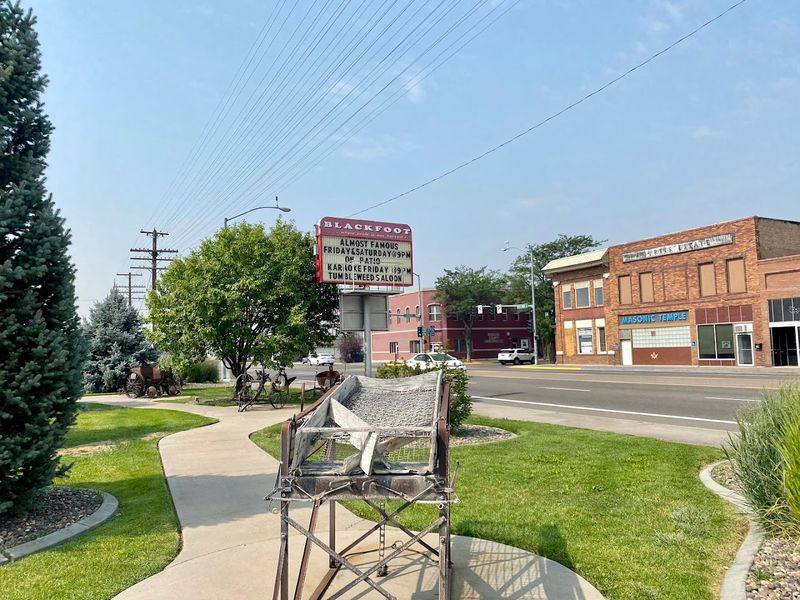
Bigger Idaho markets can make rent searches feel discouraging very quickly. Blackfoot may not be immune to rising costs, but it still tends to look gentler than many places competing for attention elsewhere in the state.
Current 2026 numbers vary by source. Apartments.com places average rent in the high $800s, while Zillow’s broader rental index reports higher figures depending on property type and availability.
That range is important because a small market can swing when only a handful of rentals are available.
Even so, Blackfoot’s appeal is not based on one perfect number. It is based on the possibility of finding more space, lower monthly pressure, and a quieter lifestyle than a renter might find in Boise, Coeur d’Alene, or other higher-demand areas.
Single-family homes, duplexes, and modest apartments can all appear in the local mix, but availability should be checked carefully and early. People comparing towns should look at commute needs, job options, utilities, internet access, pet rules, and lease terms, not rent alone.
Still, Blackfoot has a way of making the search feel less hopeless. After browsing expensive markets, a smaller eastern Idaho city can look refreshingly sane.
Grab A Simple Meal Without Turning Dinner Into An Event
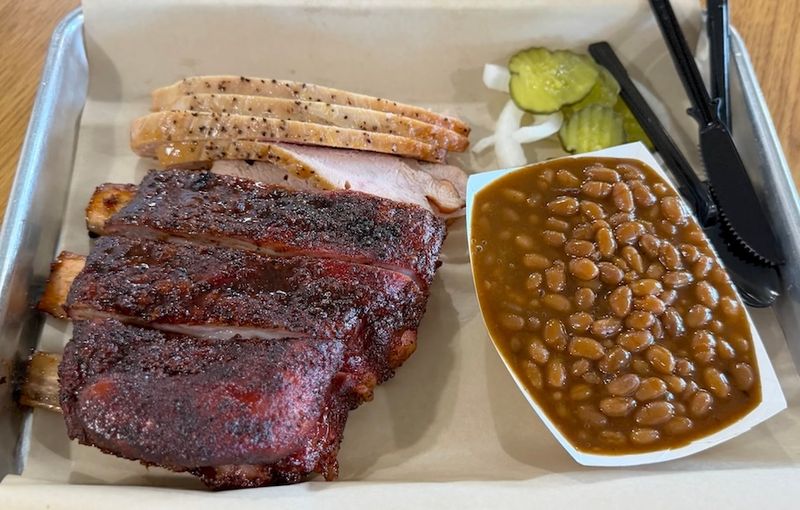
Dining in Blackfoot fits the town’s personality best when it stays straightforward. This is a place for comfort food, barbecue, family meals, casual Mexican dishes, drive-through favorites, and local spots where dinner does not need to become a performance.
Homestead Family Restaurant is one of the familiar local names for people looking for classic American plates, breakfast-style comfort, and a no-fuss dining room.
Smokin’ Gun BBQ brings a heartier option with smoked meats, sandwiches, sides, and the kind of casual atmosphere that suits a small eastern Idaho city.
Costa Vida at 1314 Parkway Drive gives Blackfoot another easy choice for fresh Mexican-inspired fast-casual food when people want burritos, salads, nachos, or enchiladas without sitting down for a long meal. The point is not that Blackfoot has a huge destination dining scene.
It does not need to. Its food options support everyday life: lunch after errands, dinner with family, a quick bite before a game, or a relaxed meal after time at Jensen Grove.
Prices and menus can change, so checking current hours is always smart. What stays consistent is the tone.
Food here tends to be practical, friendly, filling, and refreshingly low-pressure.
Use Blackfoot As A Quiet Base Near Eastern Idaho
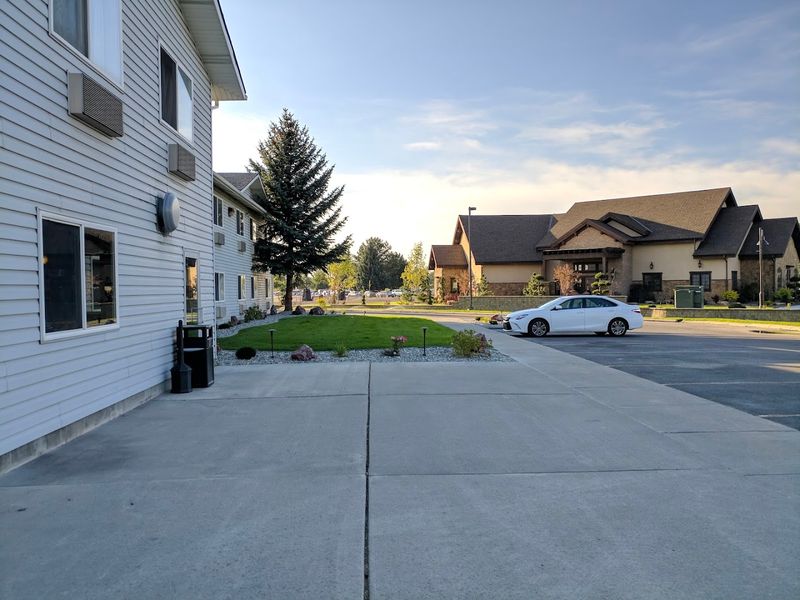
Location helps Blackfoot make more sense once the map comes into focus. The city sits along the I-15 corridor between Idaho Falls and Pocatello, putting larger shopping, medical, work, airport, and entertainment options within a manageable drive while keeping daily life smaller and quieter.
That balance can appeal to people who want access without constant bustle. Outdoor detours also add value.
Jensen Grove gives in-town recreation, while the Snake River corridor offers fishing, floating, birdwatching, and open-space moments nearby.
Hell’s Half Acre lava field sits north of Blackfoot and adds a completely different landscape, with volcanic terrain that feels far removed from farmland and neighborhood streets.
Wolverine Canyon, the Blackfoot Mountains, and broader eastern Idaho routes can expand the weekend options for hiking, fishing, snow-season outings, scenic drives, and backroad exploring depending on conditions.
Using Blackfoot as a base means accepting that it is not the flashiest place in the region.
That is partly why it works. Residents and visitors can dip into bigger-city services or outdoor adventures, then return to a town where the streets feel calmer and the pace is easier to manage.
For some people, that combination is exactly the point.
Leave Understanding Why Affordable Towns Still Get Attention
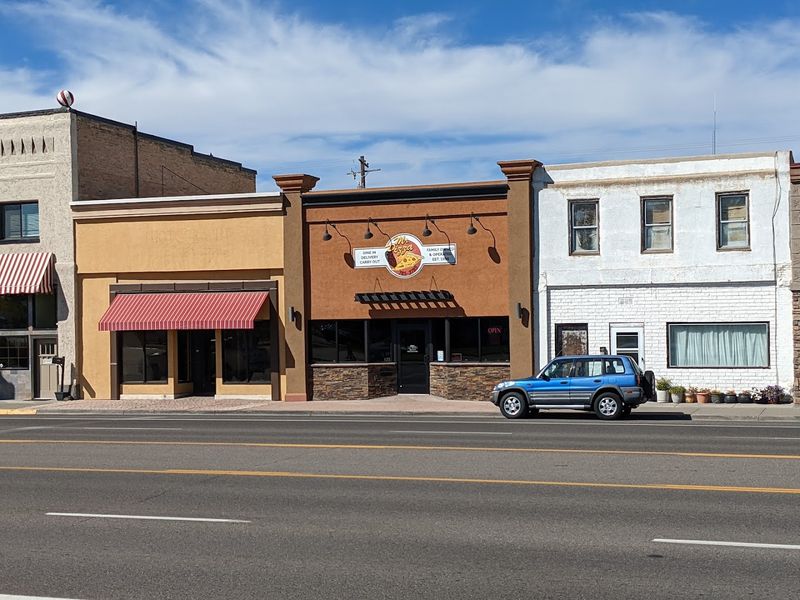
A town does not have to be trendy to be worth noticing. Blackfoot draws attention because it offers a practical mix that many people still want: lower rents than many larger markets, a small-city scale, local restaurants, parks, river access, agricultural pride, and a central location in eastern Idaho.
Its population is around the low-thirteen-thousand range, large enough to support schools, services, parks, and everyday needs while still feeling far smaller than Idaho’s fast-growing metros.
The Potato Capital of the World identity gives the city a little humor and a lot of rootedness, because agriculture is not just branding here.
It has shaped the economy, the landscape, and the way Blackfoot presents itself to visitors. Affordable towns like this get attention because they remind people that livability is not always glamorous.
Sometimes it looks like a shorter commute, a park nearby, a museum everyone mentions, a simple dinner, and rent that does not swallow the entire month. Blackfoot will not be the right fit for everyone.
People who need nightlife, major job density, or nonstop amenities may want somewhere larger. For those seeking quiet practicality, though, this Idaho town makes a persuasive case without trying very hard.