This Idaho Museum Has A Two-Headed Calf And Turns A Quick Stop Into Three Hours
A real two-headed calf named Deja-Moo is one of the strangest treasures in Idaho. Yes, the name is a pun, and yes, it’s perfect.
The calf was born in Gooding in 1950 and joined a state history collection the very next year. Decades later, it still stops people in their tracks on the way to everything else.
And there’s a lot of everything else. Three floors hold tribal origin stories, a forest fire you can practically feel, a basement play mine, and a gift shop selling plush versions of the calf itself.
I like how a goofy oddity becomes the doorway into Idaho’s whole story. A quick look sounds reasonable, maybe twenty minutes.
So how long would you last before realizing a quick look had quietly swallowed your whole afternoon?
A Calf With Two Heads Is Waiting For You In Boise
Boise has plenty of polished attractions, but only one of them stars a calf with two heads. That honor belongs to the Idaho State Museum, the state’s main showcase for history, nature, and culture.
The museum sits inside Julia Davis Park, close to downtown Boise. It’s run by the Idaho State Historical Society, the group in charge of protecting Idaho’s past.
Inside, you’ll find three floors of permanent, temporary, and interactive exhibits. They cover everything from tribal origin stories to mining towns to the people who put Idaho on the map.
The calf gets the headlines, and honestly, it earned them. Still, it’s really a friendly mascot for a much bigger collection that rewards slow wandering.
Touch screens, videos, sound effects, and hands-on displays show up almost everywhere. Even a reader who usually skims museum signs may find themselves lingering longer than planned.
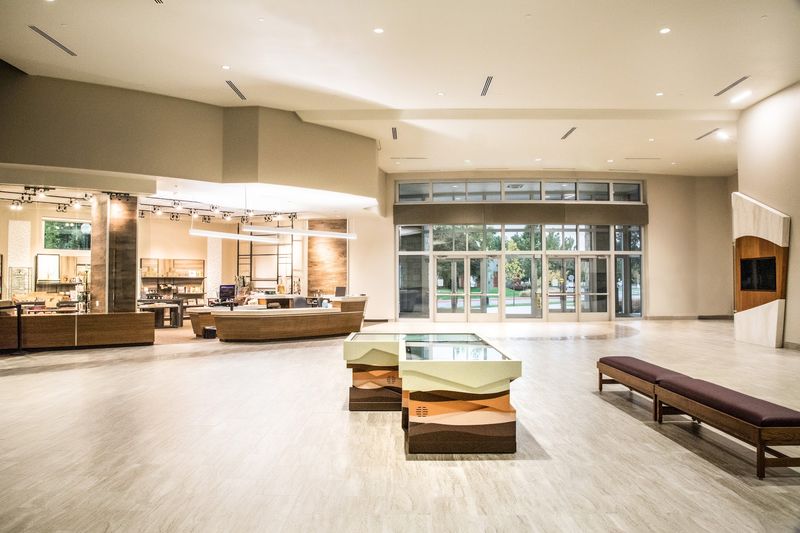
The building feels modern rather than dusty, which surprises anyone expecting glass cases and quiet hallways. Think of it as Idaho’s family photo album, upgraded with lights, motion, and a few delightful oddballs along the way.
A Name That Will Make You Groan And Grin At Once
Deja-Moo might be the best pun ever attached to a museum artifact. Say it out loud once, and you’ll understand why kids and grown-ups both love it.
The calf is real, not a sculpture or a clever replica. It was born in Gooding, Idaho, in 1950, out in the farm country of the Magic Valley.
Just one year later, in 1951, it became part of the state’s historical collection. That means this little oddity has been delighting Idaho visitors for more than seventy years.
Why keep a two-headed calf in a history museum? Farming and ranching shaped huge stretches of southern Idaho, and rare livestock stories traveled fast in small communities.
Deja-Moo works as a quirky time capsule from that agricultural world. It’s a reminder that history isn’t only treaties and dates, but also the strange, memorable moments people talked about at the feed store.
The calf even survived the museum’s big remodel and kept its place among the crowd favorites. Some celebrities fade over time, but Deja-Moo has managed to stay famous for both of its faces.
Four Years Of Hard Hats Paid Off In A Big Way
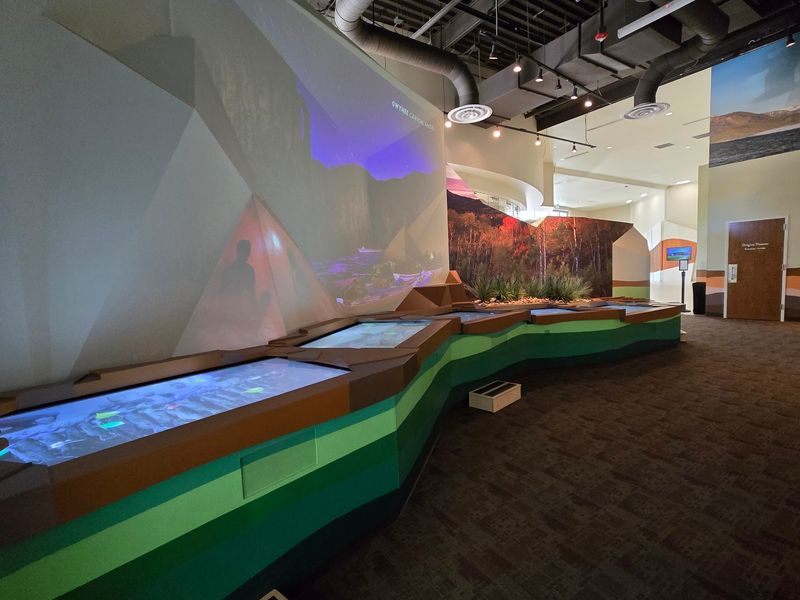
Patience paid off here. The museum closed for nearly four years before reopening in 2018 with a brand-new look.
The renovation cost about seven million dollars and added roughly 11,000 square feet of space. Today, the museum spreads exhibits across around 80,000 square feet on three floors.
That remodel blended treasured artifacts with technology that invites people to touch, listen, and explore. The result feels less like a reading assignment and more like a guided adventure through the state.
Behind it all stands the Idaho State Historical Society, founded in 1907. More than a century later, the organization still works to preserve and share Idaho’s cultural story.
Plenty of older museums feel frozen in time, with faded labels and dim corners. Here, the space feels bright, roomy, and designed for curious people of every age.
The update also changed how Idaho tells its own story. Exhibits now flow by region and theme, so you’re following a path through landscapes and communities instead of hopping between random display cases.
It’s a smart setup that makes three floors feel surprisingly easy to follow.
Idaho’s First Stories Come From Its First Peoples
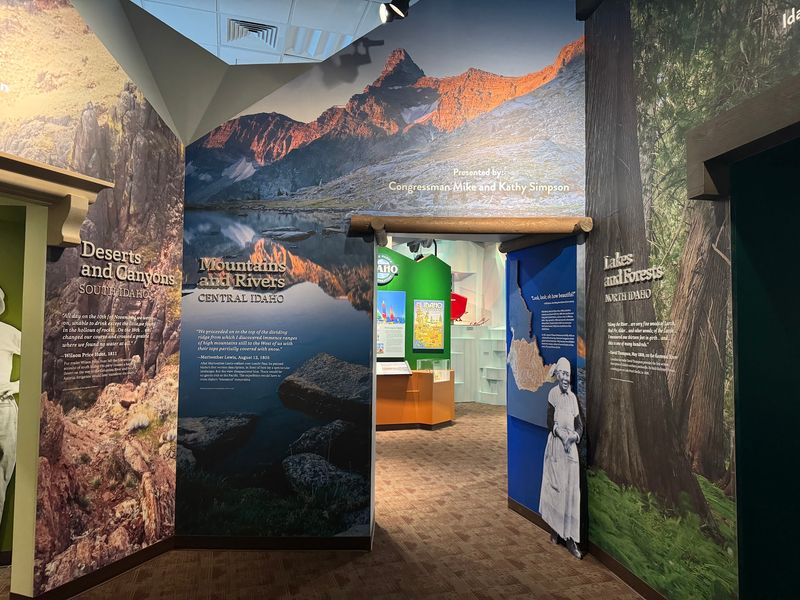
Long before Idaho had a name, its tribes were telling stories about how the land came to be. The Origins gallery gives those voices a central place on the main floor.
The exhibit introduces Idaho’s five federally recognized tribes. It’s an authentic starting point, and it sets a thoughtful tone for everything you’ll see afterward.
A small tribal theater plays origin stories narrated by tribal members. They speak in their native languages as well as English, which makes the experience feel personal and grounded.
Nearby, a large display of artifacts includes a petroglyph. Seeing carved stone in person hits differently than looking at a photo in a textbook.
The gallery also connects ancient traditions with the present day. Exhibits highlight tribal roles in modern land stewardship, showing that these communities remain active caretakers of Idaho’s landscapes.
Give the theater a few unhurried minutes, even if the kids are eager to run upstairs. Those stories frame the rest of the museum beautifully, and they explain why rivers, mountains, and valleys mattered here long before maps, mining claims, or wagon ruts arrived.
A Digital Stream And A Wall That Won’t Sit Still
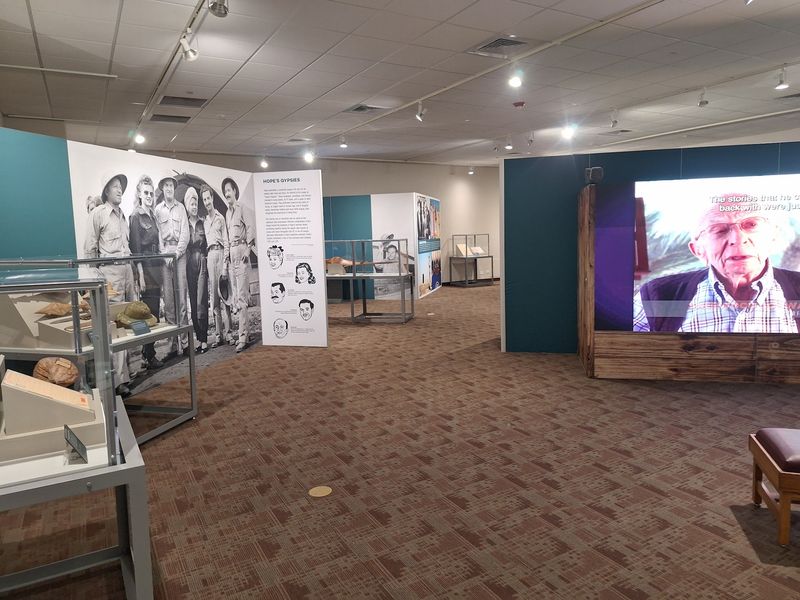
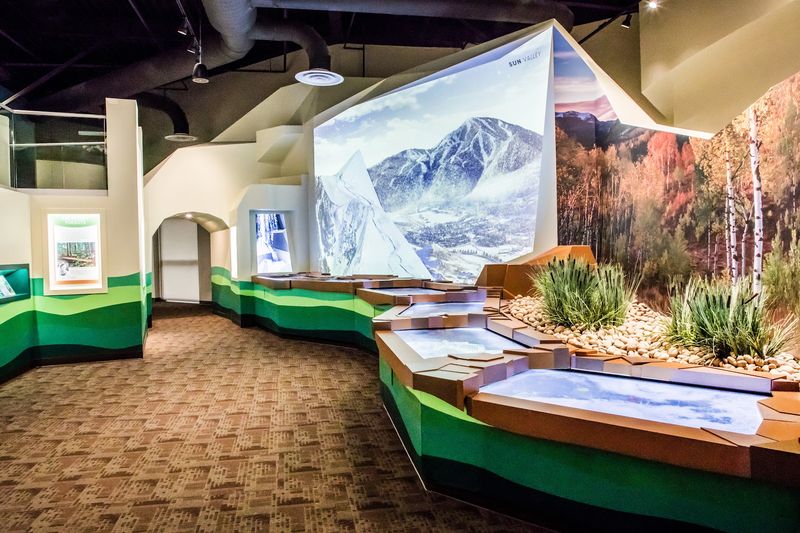
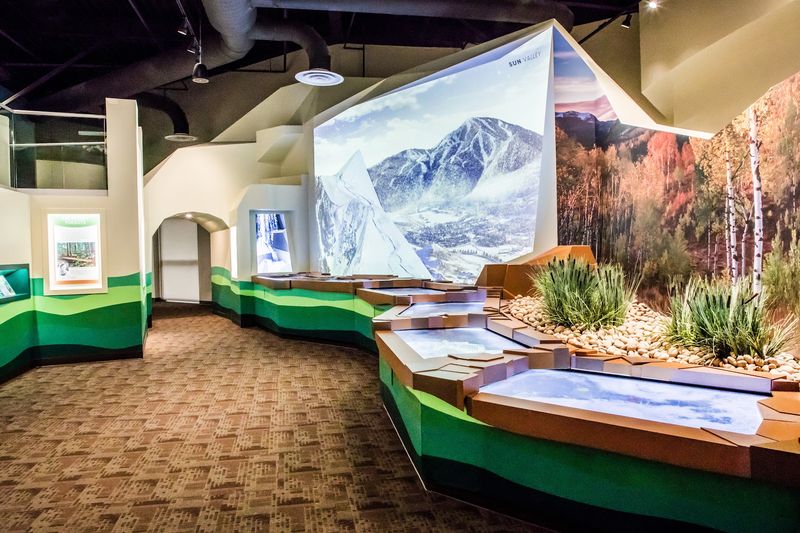
Water flows across a screen, and suddenly everyone wants to touch it. The main floor features an interactive digital stream that turns Idaho’s waterways into something you can play with.
It fits the state perfectly. Rivers shaped Idaho’s canyons, farms, towns, and travel routes, so starting with moving water makes a lot of sense.
Close by, a large wall uses shifting projection mapping to tell its story. Images change and glide across the surface, and you can watch them from two different levels.
That second viewing angle is a clever touch. Catch it from the ground floor first, then look again from upstairs for a whole new perspective.
The area also introduces how Idaho formed, along with its nature and wildlife. Volcanic activity, ancient waters, and glaciers all helped carve the dramatic terrain you know today.
Little ones tend to treat the stream like a game, which is exactly the point. Grown-ups get a clever geology lesson without feeling lectured.
Somewhere between splashing pixels and changing projections, Idaho’s rugged scenery starts making a lot more sense.
Upstairs, Idaho Splits Into Three Very Different Worlds
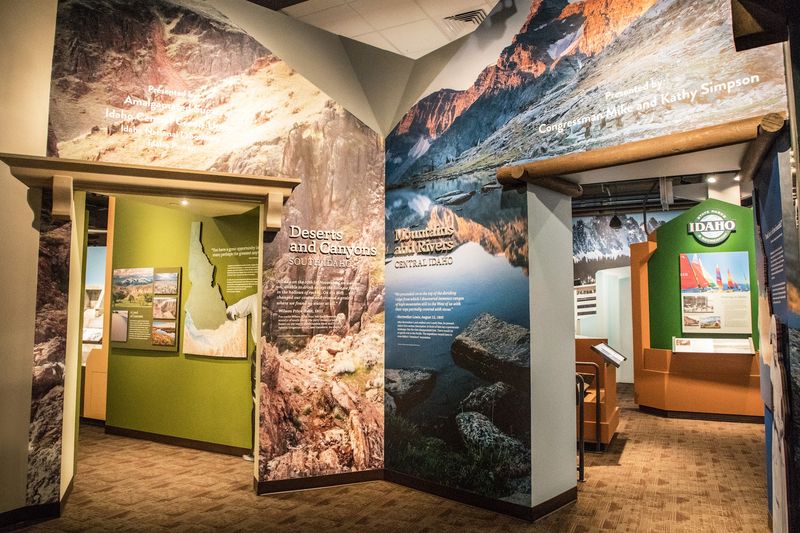
North, central, and south Idaho can feel like three separate states. The upstairs galleries lean into that idea in the exhibit called Idaho: The Land and Its People.
The northern section covers lakes and forests, the country of the Panhandle and Silver Valley. Central Idaho brings mountains and rivers, while the south moves into deserts, canyons, and the Snake River Plain.
Each region shows how geography shaped the people living there. Timber jobs, ranching, farming, and mining all grew from what the land offered.
This floor holds the bulk of the museum, so give it real time. Rooms connect through several paths, which makes it easy to circle back to something you missed.
One handy approach is touring from north to south. Still, the layout is flexible enough that wandering freely works fine too, especially with side passages linking the galleries.
You’ll also learn how Idaho’s odd boundaries came to be. Anyone who has driven from Coeur d’Alene to Twin Falls already knows the state is wildly varied.
Seeing it laid out side by side makes that variety click.
You Can Almost Feel The Wind Of The Big Burn
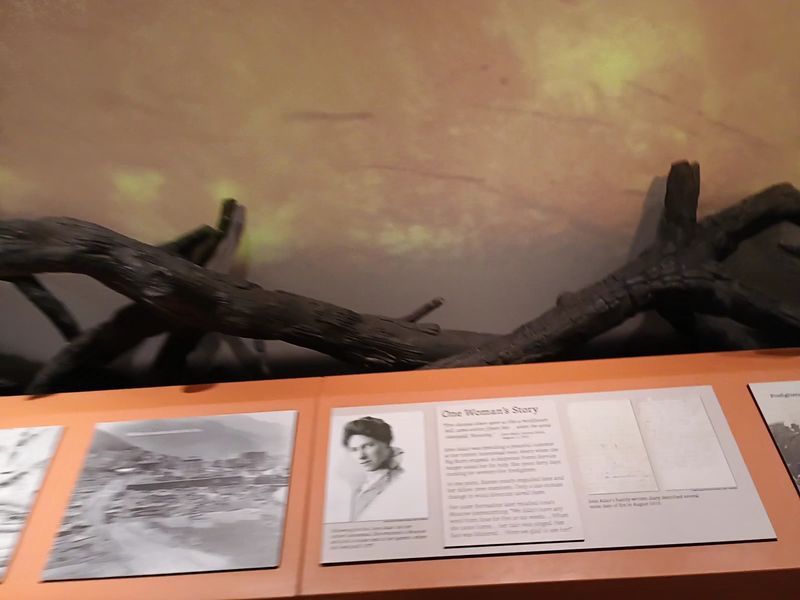
In 1910, a massive wildfire swept across the forests of northern Idaho and beyond. History calls it the Big Burn, and the museum turns it into one of its most memorable stops.
The exhibit is immersive, using visuals, sound effects, and even artificial wind. It’s a powerful way to understand how fast fire moved through the timber country.
Kids usually remember this room long after the visit. Adults get plenty to think about too, from forestry practices to how communities rebuilt afterward.
The Big Burn changed how the nation approached fire and forests. Those lessons still shape land management across Idaho today, which gives the story a surprisingly modern edge.
It sits within the northern section upstairs, alongside exhibits on logging and forest life. Plan to pause here, because it’s the kind of display that rewards a second look.
Fair warning, it’s intense in a dramatic, educational way rather than a frightening one. Most people walk out with a new respect for wildland firefighters and the summer smoke seasons Idahoans know far too well.
Mining Camps, Ski Slopes, And Wagon Ruts Share One Floor
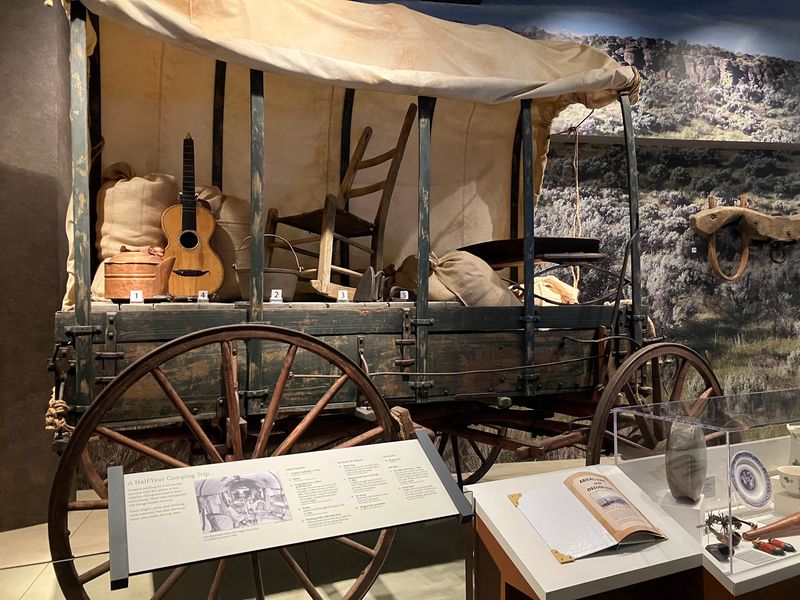
Gold, skis, and covered wagons rarely end up in the same sentence. Upstairs, they share space as chapters in Idaho’s long story.
Mining exhibits explore the boom towns that drew fortune seekers into the mountains. Nearby, skiing displays show how snow became an industry in places like the Wood River Valley.
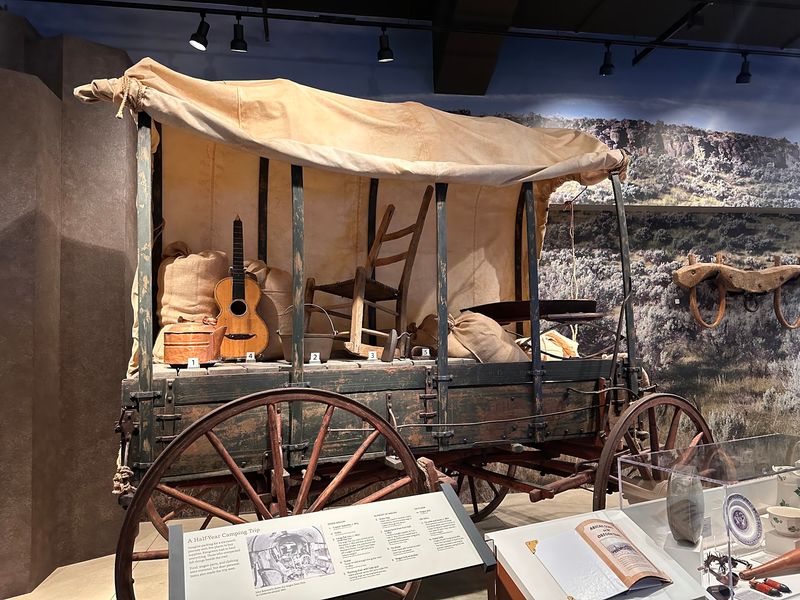
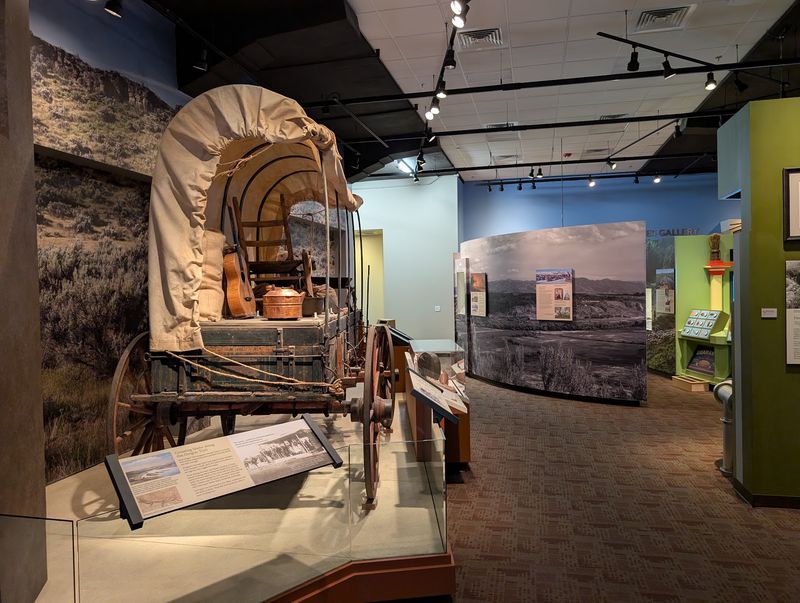
The Oregon Trail section covers the challenges pioneers faced crossing southern Idaho. Hot desert stretches, river crossings, and worn-out supplies made the journey anything but easy.
Agriculture gets its due as well, including how farmers coaxed crops from dry land. Yes, potatoes appear, but the story stretches well beyond spuds.
You’ll also find Fort Boise history, Lewis and Clark material, and a look at Sacajawea. Items connected to President Lincoln’s campaign add a surprise for history buffs.
Modern Idaho shows up too, including the Idaho National Laboratory and the state’s atomic past. Basque culture in Boise earns attention as well.
Put it all together, and the Gem State looks far more diverse than its quiet reputation suggests.
Don’t Skip The Art Deco Room Hiding Off To The Side
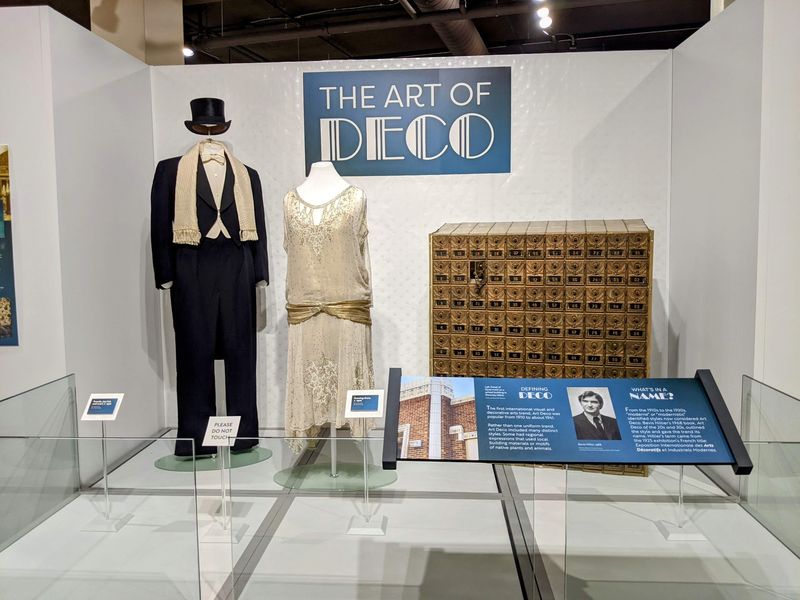
Some of the best spots in any museum sit just off the main path. At the Idaho State Museum, the Art Deco room is one of those easy-to-miss extras.
It feels like a stylish detour from mountains and mining camps. Geometric design and vintage flair offer a fun change of pace after the big regional galleries.
Fashion fans should keep an eye out, too. The museum has featured clothing exhibits that show how Idahoans dressed across different eras.
Women and Native Americans are well represented throughout the collection. That broader focus makes the museum feel more complete than a simple parade of famous names.
A dedicated Native American room also sits toward the far left of the building. It’s another space worth seeking out deliberately, since the layout can make it easy to walk past.
Little arrows would help, honestly, because the floor plan can feel a bit like a friendly maze. Grab a map, poke your head through side doors, and treat the search as part of the fun.
Hidden corners are where the real surprises live.
Little Explorers Get A Whole Floor Of Their Own
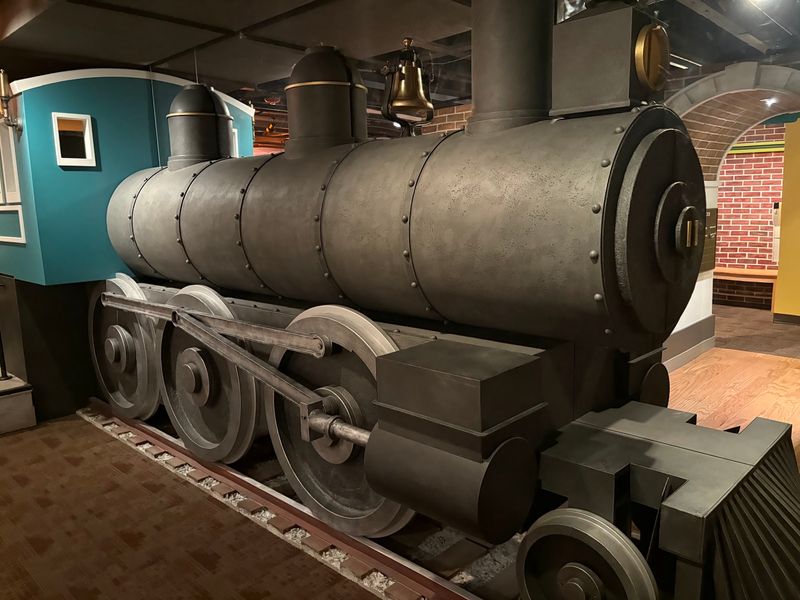
Parents of toddlers, take a deep breath. The lower level was built with busy little hands in mind.
The History Explorers Gallery includes Boomtown, a children’s area based on early Idaho jobs and trades. Kids can build a town and play their way through pioneer-era work.
A train and a mine add sound effects that keep young visitors engaged. It’s lively, hands-on, and exactly the kind of place that burns off extra energy.
Older kids and grown-ups can head into the History Lab. Activities there show how history actually gets done, like organizing family photos or learning historic architectural styles.
Upstairs, delicate artifacts sit up high or behind glass. That design lets families relax a little instead of hovering over every curious toddler.
For Boise families, this floor makes a smart winter outing when the playgrounds are icy. School groups visit regularly, too, and it’s easy to see why.
Somewhere between building a mini town and climbing past a pretend mine, kids absorb Idaho history without even noticing they’re learning.
Fresh Exhibits Keep Showing Up Between Visits
Returning visitors get a nice bonus. The museum runs two rotating galleries, called Syringa and Treasures, that bring in new material over time.
Syringa takes its name from Idaho’s state flower. Both galleries pull from the Idaho State Historical Society’s huge collection and sometimes host national traveling exhibits.
That means the second visit can look quite different from the first. Locals with memberships get an easy reason to stop in again throughout the year.
The lower level also features a large room dedicated to notable people from Idaho. Many displays include push-button music or examples tied to each person’s story.
It’s a fun place to spot familiar names and discover a few new ones. Plenty of Idahoans leave surprised by who got their start here.
Since temporary shows change, check what’s currently featured before your trip. Meanwhile, permanent favorites like Deja-Moo stay put, so nobody misses the main event.
New exhibits add variety, while the beloved regulars keep things comfortably familiar.
A Plush Two-Headed Calf Might Follow You Home
Few souvenirs spark more giggles than a stuffed animal with two heads. The museum store sells plush versions of Deja-Moo, and they’re hard to resist.
The gift shop sits on the main floor near the entrance. That placement makes it an easy first peek and an even easier final stop.
Beyond the famous calf, shelves hold Idaho-themed gifts and books. It’s a handy spot for grabbing something meaningful instead of a generic keychain.
Kids tend to gravitate toward the plush calf after meeting the real one. Honestly, plenty of adults probably want one for their desks, too.
A two-headed toy also makes a great conversation starter back home. Friends will ask about it, and suddenly you’re explaining Gooding farm history in 1950.
Out-of-state visitors can find thoughtful gifts that say Idaho without leaning on potato jokes. Locals might pick up something for a grandchild or a curious neighbor.
Either way, leaving with a little piece of the museum feels like a fitting end to such a quirky afternoon.
Julia Davis Park Turns One Stop Into A Full Day
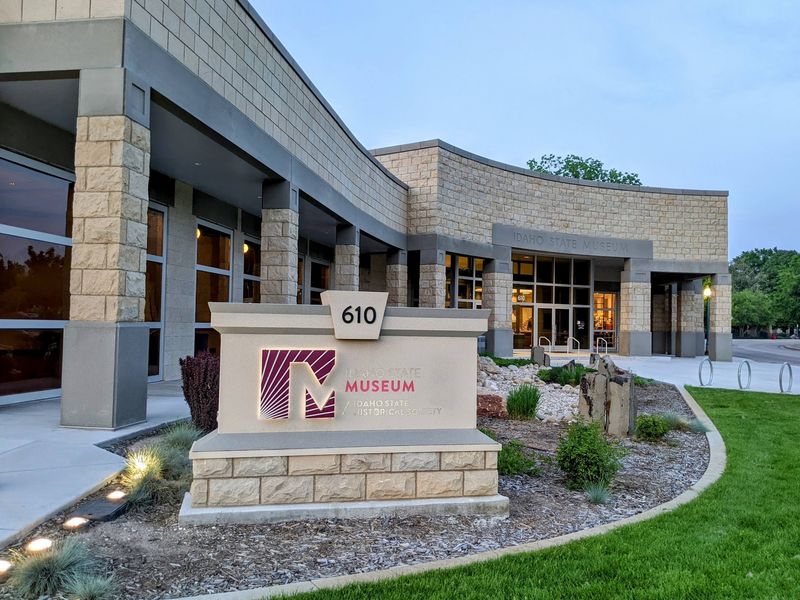
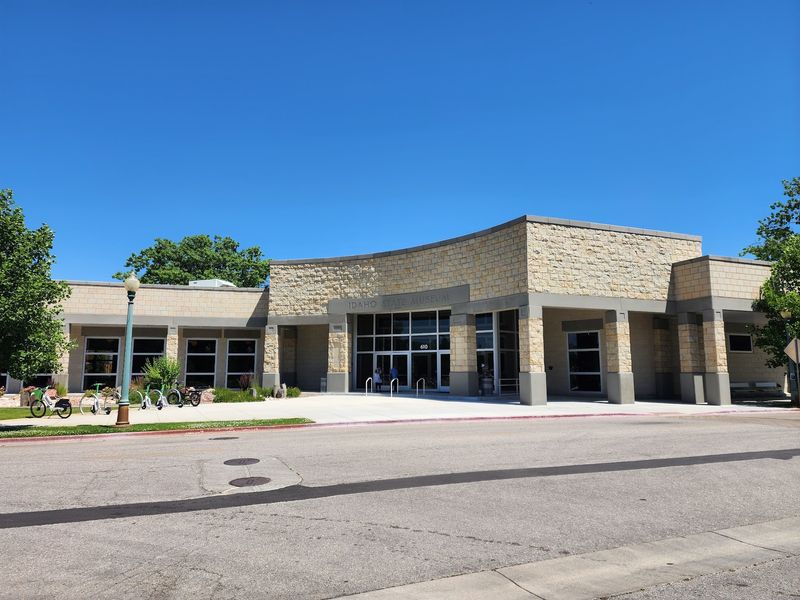
Location is a big part of the appeal. You’ll find the Idaho State Museum at 610 Julia Davis Drive, Boise, ID 83702, inside Julia Davis Park.
A rose garden sits right across the way. It makes a lovely stroll before or after your visit, especially when the blooms peak in warmer months.
The museum is also within walking distance of downtown hotels and restaurants. That makes it simple to fold into a Boise weekend without moving the car.
Hours run seven days a week, with a later start on Sundays. Last admission comes before closing, so check current times before driving in.
Admission requires a modest entry fee, and it’s generally considered a good value. Reduced pricing has been offered for some visitors, so ask at the front desk.
Volunteer-led tours have also been available, though exploring on your own works well. Pair the museum with a park picnic or a walk along the nearby Boise River Greenbelt.
Suddenly, that quick stop has turned into a full and very pleasant day.
Budget Three Hours And Thank Yourself Later
Two hours sounds generous until you reach the second floor. Plenty of trips here stretch to three hours, and some go even longer.
That’s the real secret of the Idaho State Museum. Deja-Moo lures you through the door, then the wildfire room, tribal stories, and hidden corners keep you exploring.
Families get a play floor, history fans get artifacts, and tech lovers get touch screens everywhere. Out-of-state travelers walk away with a new appreciation for Idaho’s surprising range.
Arriving early in the day helps, especially if you want to see everything without rushing. Closing time sneaks up fast once the upstairs galleries pull you in.
I believe the best museums make you curious about the place right outside their doors. This one does that, nudging you toward the Panhandle, the Sawtooths, and the farm country where the calf began.
So go for the two-headed calf, and stay for everything it introduces. Just don’t promise anyone a quick stop.
Deja-Moo has a habit of making that sound like a very optimistic plan.