8 Idaho Ghost Town Cemeteries And Mining Camps Families Explore Before Snow Closes The Roads
A gold dredge weighing 988 tons still sits in an Idaho river valley, its 71 giant buckets frozen in place since 1952. Families can climb aboard it.
I still can’t get over that.
Nearby, whole mining camps stand where people simply packed up and left. One town got its name from a post office spelling mistake.
Another hillside holds about 2,000 graves, yet only around 200 markers can still be identified.
The catch is timing. Many of these spots sit at the end of long dirt roads that snow shuts down for the season.
Several sites only open their doors and tours from late spring through summer.
So the window for a family trip is short, and it closes fast. I love the idea of kids learning history by walking it.
Which of these quiet places will your crew reach before the first big storm?
1. Bayhorse Ghost Town
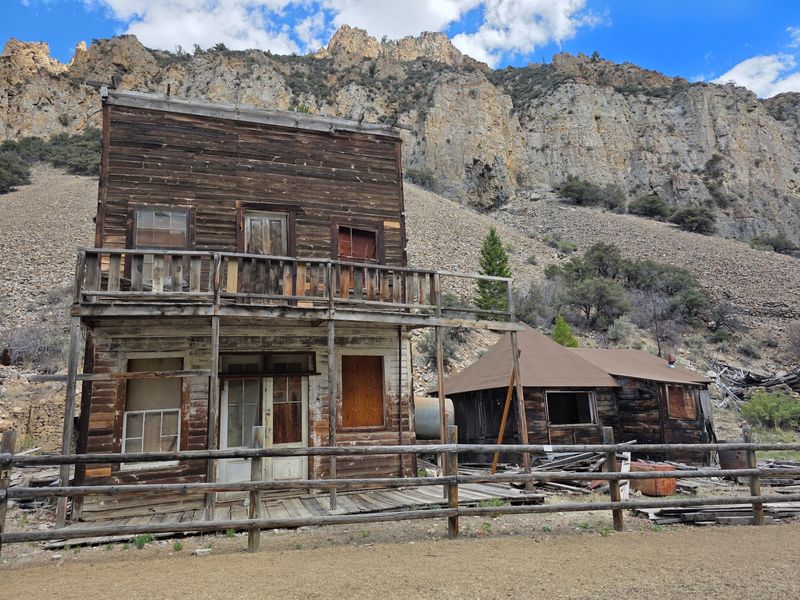
Silver kept Bayhorse busy longer than almost any camp around. It became Idaho’s longest-running silver producer before folks walked away by 1915.
Getting there means a rough dirt road south of Challis. It’s bumpy, but most family cars handle it fine with a little patience.
Once you arrive, a loop trail of nearly one mile leads past 14 aging buildings. The multi-story 1882 stamp mill steals the show, towering over the creek like a wooden giant.
Kids usually love the charcoal kilns too. They look like huge stone beehives and still stand intact after well over a century.
A stone Wells Fargo building adds a touch of Wild West flair. You can almost hear stagecoach wheels rolling up the canyon.
The camp started as a gold settlement around 1864. The whole community joined the National Register of Historic Places in 1976, and the State of Idaho bought the property in 2006.
Today it’s part of Land of the Yankee Fork State Park, and a small per-vehicle entry fee applies. Park rangers share stories and answer questions, which makes the walk far richer.
Winter shuts the site down, so plan your visit before snow arrives. Check before driving.
Address: Bayhorse Creek Road, Challis, ID 83226
2. Silver City, Idaho
Over 70 original buildings still line the streets of this Owyhee Mountains town. That makes it one of the most complete mining towns you’ll find in Idaho.
Fair warning about the drive, though. Expect 20-plus miles of dirt switchbacks climbing to about 6,100 feet, and a high-clearance vehicle helps.
Silver deposits sparked the town’s founding in 1863. It grew fast and served as the Owyhee County seat from 1866 to 1934.
Things slowed around 1912 as the mines played out. The historic district landed on the National Register of Historic Places in 1972.
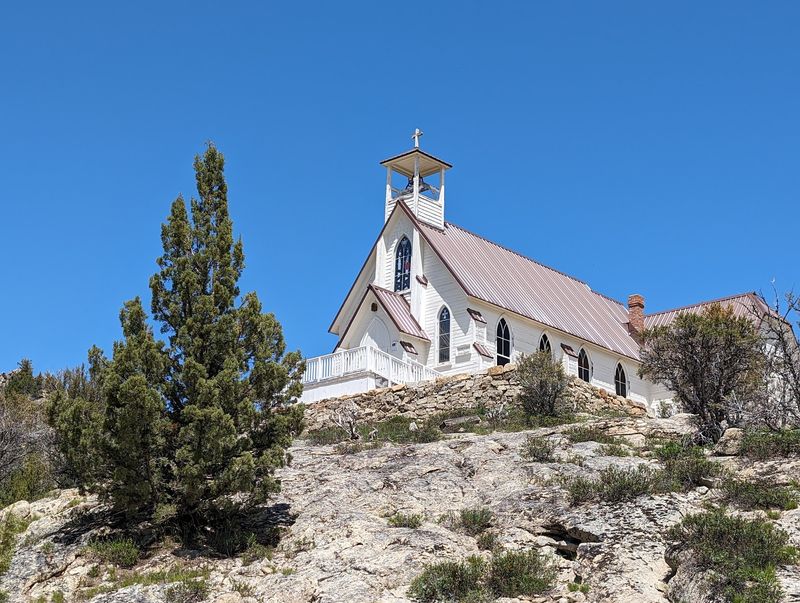
Look for the 1892 Standard School and Our Lady of Tears Catholic Church. The Masonic Hall is another striking stop on your stroll.
During the warmer months, the Idaho Hotel serves meals and snacks and offers rustic overnight rooms. A couple of small shops open seasonally too.
Hikers can push higher to War Eagle Mountain Lookout, above 8,000 feet. The panoramic views reward tired legs nicely.
Most buildings are privately owned, so admire them respectfully from outside. There’s no cell service, and roads usually open from Memorial Day through October.
Address: 23989 Jordan St, Murphy, ID 83650
3. Silver City Cemetery
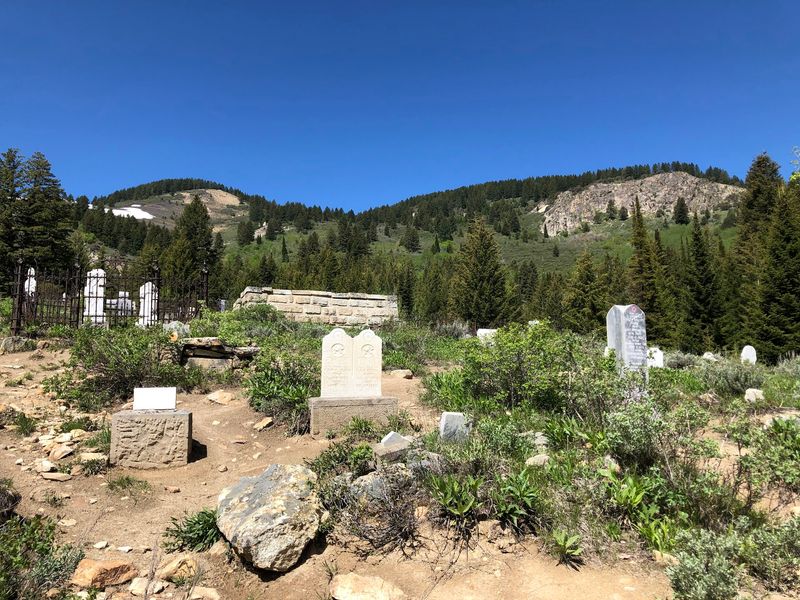
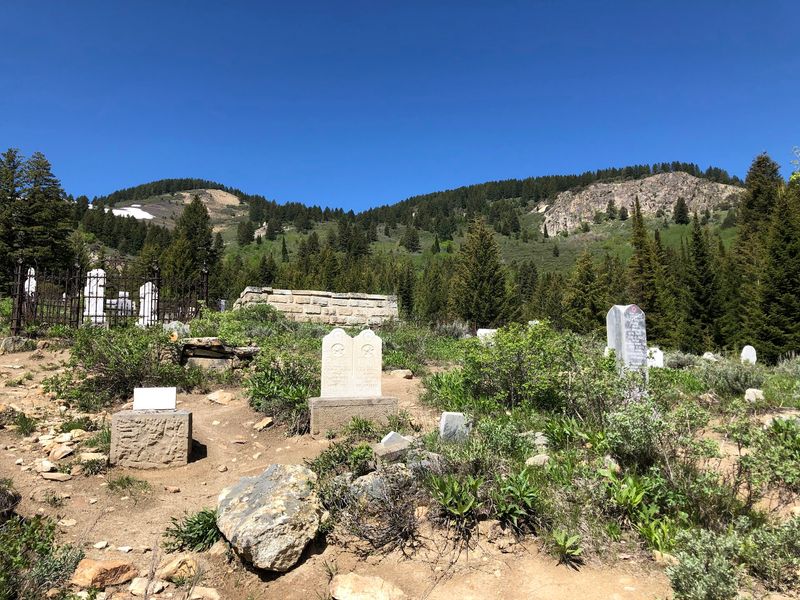
Above the rooftops of Silver City, a hillside of pioneer graves keeps watch over the old mining town. It’s one of the quieter stops in the Owyhee Mountains, and one of the most memorable.
You’ll find it close to town, so it fits easily into a Silver City visit. Plan on a short walk and plenty of time to read the old markers.
Families who settled here in the 1860s chased silver into rugged country. Many of them stayed for good, and this ground tells their stories quietly.
Kids can make a gentle game of it. Ask them to find the oldest date they can spot, or count how many different marker styles they notice.
The elevation sits above 6,100 feet. That means crisp air, big views, and weather that can turn quickly, so pack layers.
Remember that the same dirt roads leading here become impassable once snow arrives. Late summer and early fall make a smart window.
Treat the site with care and keep little hands off fragile stones and fences. A respectful visit helps protect these pieces of Idaho history for the next curious family.
There’s no cell service up here, so download maps ahead.
Address: Murphy, ID 83650
4. Custer Idaho
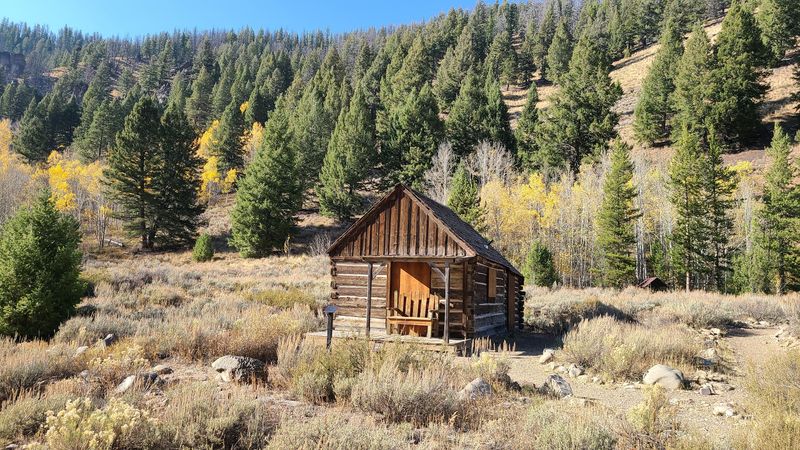
Homemade ice cream in a ghost town? At Custer, it’s offered by donation, and that alone wins over most kids.
Gold speculators founded the town in early 1879. It peaked at about 600 people in 1896 and emptied out by 1910.
Today 22 intact buildings and historic sites line the valley. The schoolhouse now works as a museum, and the McKenzie House is another favorite stop.
Many buildings are open to explore, with signs explaining what you’re seeing. Volunteers and docents add stories that bring the place to life.
Want to try your luck? Gold panning is offered, which turns history class into a treasure hunt.
Picnic tables, restrooms, and a gift shop make a full family afternoon easy. Free guided and self-guided walking tours run during open hours.
The drive follows a long but well-maintained gravel road up the Yankee Fork. It sits between Stanley and Challis, off Highway 75 near the Sunbeam Dam overlook.
A secluded cemetery rounds out the visit. Custer joined the National Register of Historic Places in 1981.
The season runs roughly Memorial Day to Labor Day. Snow ends it fast, so check before driving.
Address: Stanley, ID 83278
5. Bonanza Cemetery
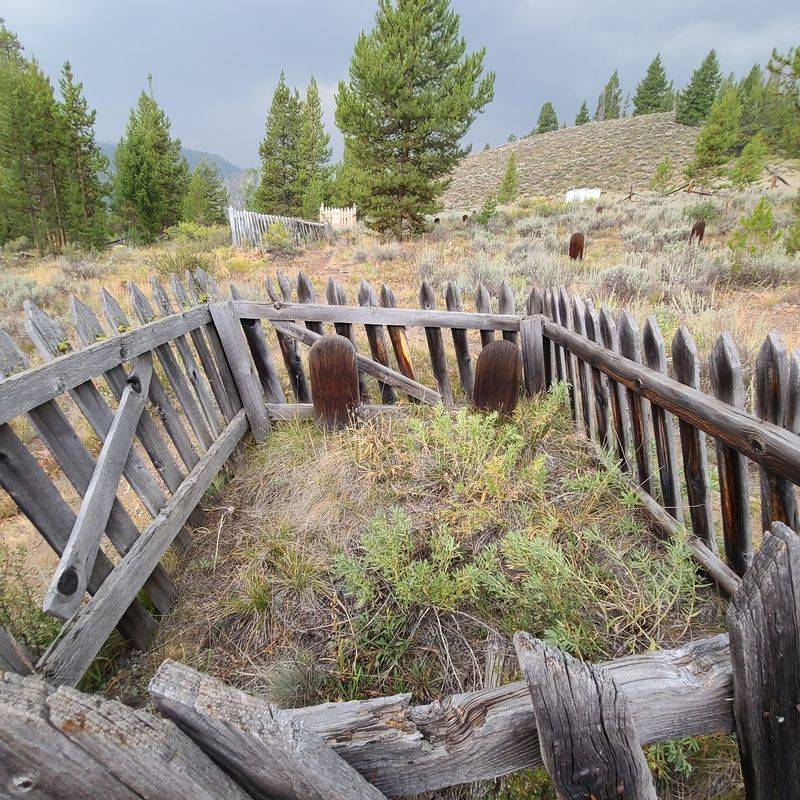
Bonanza came first. Founded in 1877, it was the very first settlement on the Yankee Fork, beating its neighbor Custer by two years.
The town grew to about 600 people by 1881. As gold production slowed, residents drifted away, and the place was largely empty by 1911.
What’s left today includes a few surviving log cabins and this historic burial ground. Together they tell a quieter story than the busier sites nearby.
You’ll reach it along the Yankee Fork corridor, about eight miles from Sunbeam. The road is well graded, which helps families with smaller vehicles.
Since it sits so close to Custer and the gold dredge, it slips easily into a full day in the valley. Think of it as a calm pause between bigger stops.
Older kids often find these small cemeteries surprisingly thoughtful. Reading names and dates can spark great questions about life in a rough mountain camp.
It’s part of Land of the Yankee Fork State Park, so you’re exploring protected history. Walk gently and leave everything as you found it.
Heavy snowpack buries the Salmon River Mountains each winter. Aim for summer or early fall instead.
Address: Stanley, ID 83278
6. Yankee Fork Gold Dredge
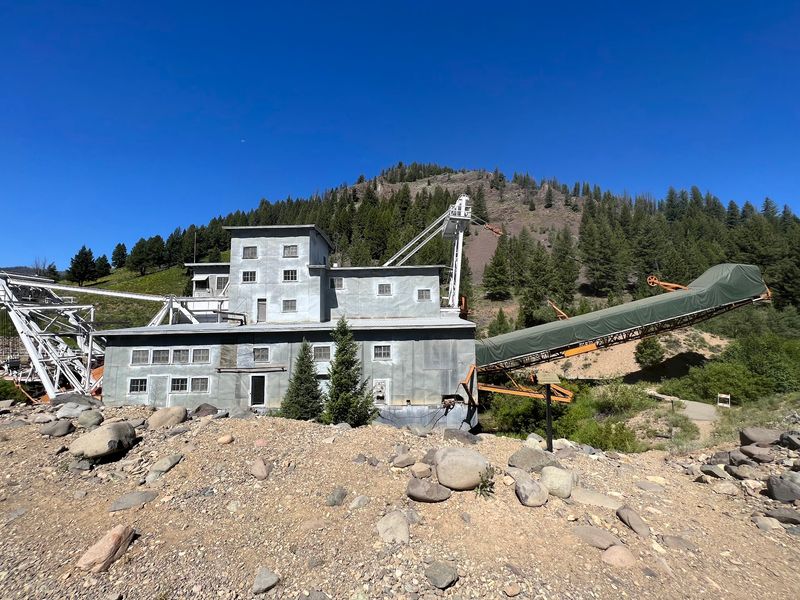
Picture-book castles have nothing on 988 tons of floating machinery. The Yankee Fork Gold Dredge stretches 112 feet long and stands 64 feet high.
Its 71 buckets each held eight cubic feet of earth. Together they chewed through the valley floor from 1940 to 1952.
The operation recovered an estimated one million dollars in gold and silver. It’s considered one of the best-preserved dredges in the lower 48 states.
You can tour the inside yourself or learn from on-site volunteers. Many of them share personal connections to the dredge, which makes the stories hit differently.
Outside, look for the long rocky tailings piles snaking along the river. They’re the leftovers from all that digging, and kids find them oddly fascinating.
A gift shop sits on site, and an admission fee applies. Tours run daily from Memorial Day through Labor Day.
From Stanley, head east on Highway 75 to Sunbeam. Then follow Yankee Fork Road north for about 10 miles.
It pairs nicely with Custer and Bonanza just up the road. Once snow hits these Idaho mountains, the season is over.
Address: 300 Yankee Fork Rd, Stanley, ID 83278
7. Boot Hill Cemetery
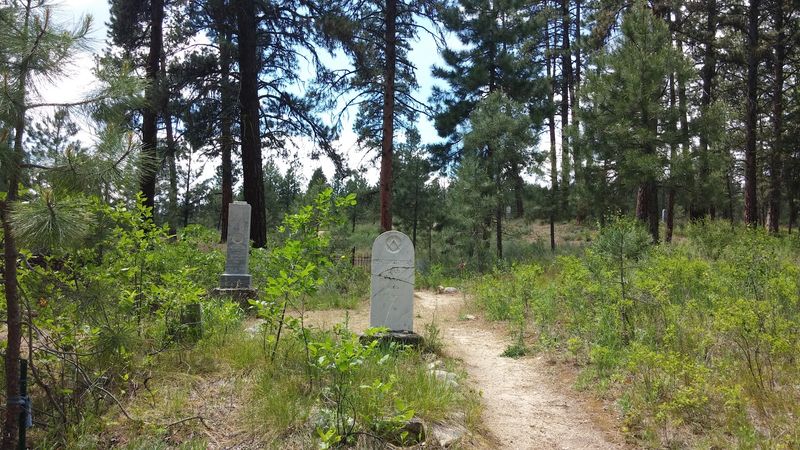
Every Old West town seemed to have a Boot Hill. Idaho City’s version grew out of one of the biggest gold booms the region ever saw.
Gold turned up in the Boise Basin around 1860. Within a few years, Idaho City was a bustling camp packed with miners, merchants, and dreamers.
Life in those years was hard. Mining hazards, illness, and harsh weather filled this hillside far sooner than anyone hoped.
Today the grounds sit among the forested slopes of the Boise Basin. Tall pines shade the graves, giving the place a calm, storybook feel.
The drive from the Treasure Valley is easy, which makes this a great pick for younger kids. You can be walking among gold rush history before lunch.
Bring a notebook for curious kids. Old markers often list hometowns, and spotting faraway places can turn into a fun geography lesson.
Wooden markers and fences are fragile. Stick to paths and let the history stand as it is.
Idaho City itself makes a nice add-on, with historic buildings close by. Snow comes early to the Boise Mountains, so fall is a smart time to go.
Address: Idaho City, ID 83631
8. Idaho City Pioneer Cemetery
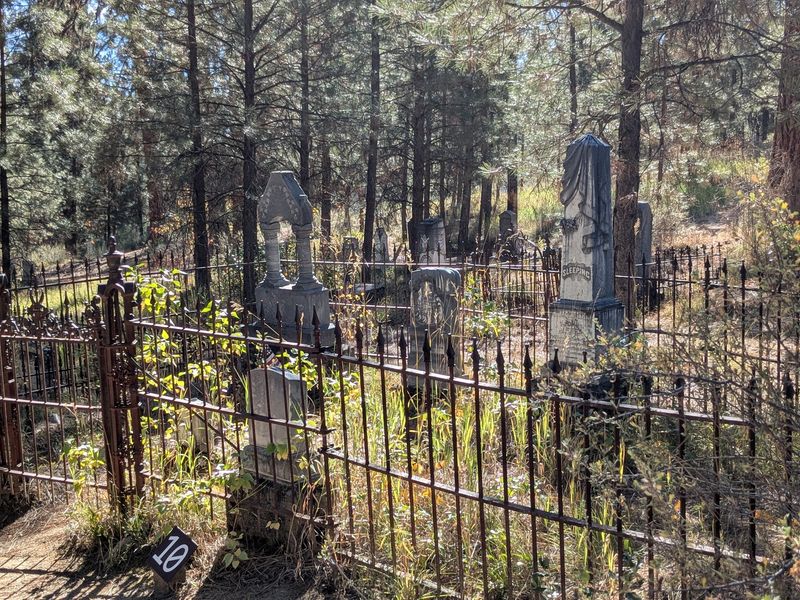
About 200 markers can still be identified here. Yet experts estimate roughly 2,000 graves lie scattered across these 40 timbered acres.
That gap says a lot about gold rush life. Many people were buried quickly, and plenty of graves simply read Unknown or carry no marker at all.
The cemetery dates to early 1863, just a year after Idaho City began. It sits about a mile outside the town center.
Don’t expect neat rows. Graves wander among the pine trees on the hillside, which makes exploring feel like a slow scavenger hunt.
Look for separate sections for Masons, Odd Fellows, and Catholics. There was also a Chinese section, though those remains were later returned home to China.
The Idaho City Historical Foundation cares for the grounds. Their work keeps this slice of Idaho history tidy and welcoming for families.
Kids can learn a ton here about who came west and why. It’s a natural follow-up to a stroll through Idaho City’s historic streets.
Boise County gets heavy snow in winter, and the hillside turns tough to explore. A crisp fall day makes the best timing.
Address: Idaho City, ID 83631