This North Carolina Town Has One Of The Largest Asian Communities In The State
Some towns change slowly.
This one seems to have collected half the world in a few shopping plazas.
In one North Carolina community, grocery runs can lead past ingredients you do not see everywhere, weekend plans may include cricket, and local celebrations bring together traditions that feel far bigger than the town itself.
That mix did not arrive overnight.
The place began as a quiet railroad stop, but its identity has shifted dramatically as new families and cultures put down roots. Today, the result feels lively without losing the compact scale that makes wandering easy.
The best part is how naturally everything overlaps.
A normal afternoon can turn into a meal you did not plan on, a festival you did not know was happening, or a store that sends you home with something completely unfamiliar.
For such a modest spot on the map, it has a remarkably international personality.
Nearly Half The Population Is Asian, Giving The Community A Distinct Cultural Mix
Census numbers rarely feel exciting, yet here they tell a genuinely interesting story. Roughly 41 percent of Morrisville residents identify as Asian, a share far above the statewide average in North Carolina.
That single statistic shapes everything from grocery shelves to weekend park schedules.
Walk through a shopping plaza on a Saturday morning and you may hear three or four languages before you reach the door. Signs advertise fresh curry leaves, hand-pulled noodles, and sweets stacked in glass cases.
The mix feels ordinary to locals and fascinating to first-time visitors.
Researchers measure this kind of variety with a diversity index, which estimates the chance that two people picked at random belong to different racial or ethnic groups. In Morrisville, that figure is about 68.6 percent, reflecting the town’s unusually varied racial and ethnic makeup.
Numbers like these explain why a town of this size supports such a wide range of restaurants, temples, markets, and community events.
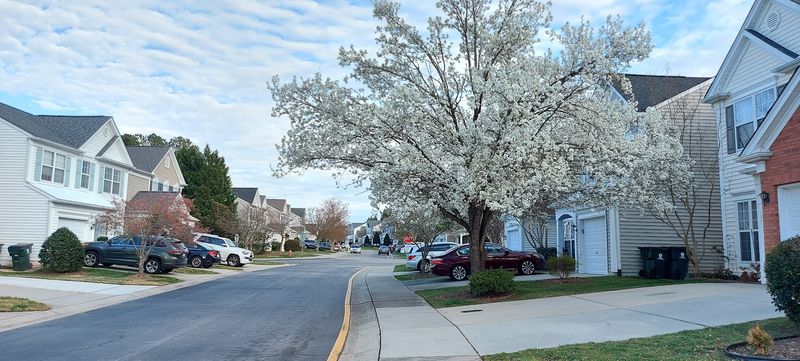
Neighborhood streets reflect it too, with block parties that blend backyard grilling and homemade samosas. Morrisville wears its blended identity comfortably, and that ease is exactly what makes the town memorable.
Indian American Families Make Up An Especially Large Share Of Local Residents
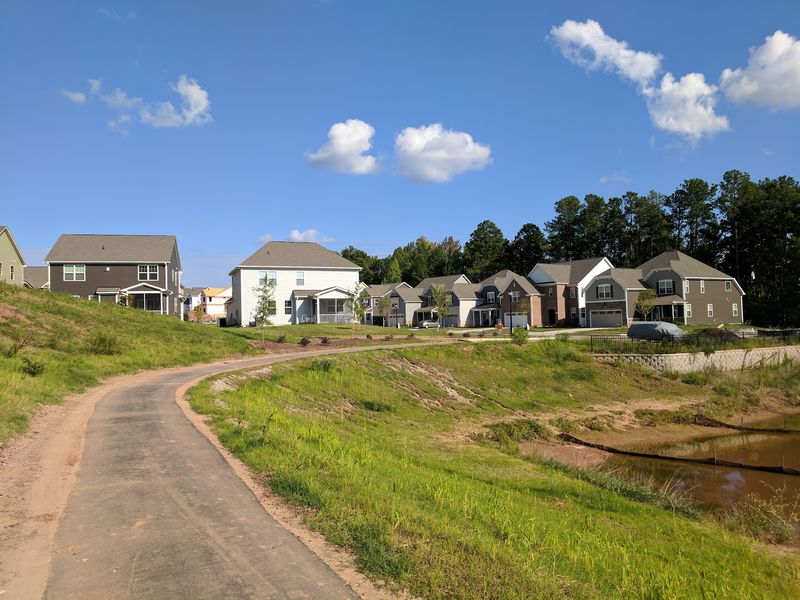
Locals sometimes use a nickname for their hometown: little India. Asian Indian residents made up roughly 36 percent of Morrisville’s population in 2020, up from about 20 percent in 2010.
Growth like that changes a town quickly. Sari shops and jewelry counters share plazas with tutoring centers and sweet shops selling jalebi still warm from the fryer.
Cricket bats lean near front doors, and classical dance recitals fill community calendars each spring.
Morrisville holds the largest concentration of Asian Indian residents anywhere in the surrounding region, and that presence shows up in small daily details. Bakeries stock eggless cakes for birthdays and grocery aisles carry a dozen kinds of lentils.
Restaurant menus label dishes by home region rather than by generic heat levels.
Visitors curious about the culture will find plenty of open doors, from festival tents to cooking demonstrations at community centers. Ask someone which biryani is best and you may get a five-minute answer with strong opinions attached.
That generosity of conversation is one of the quiet pleasures of spending a day in Morrisville.
Restaurants And Markets Reflect Flavors From Across South And East Asia
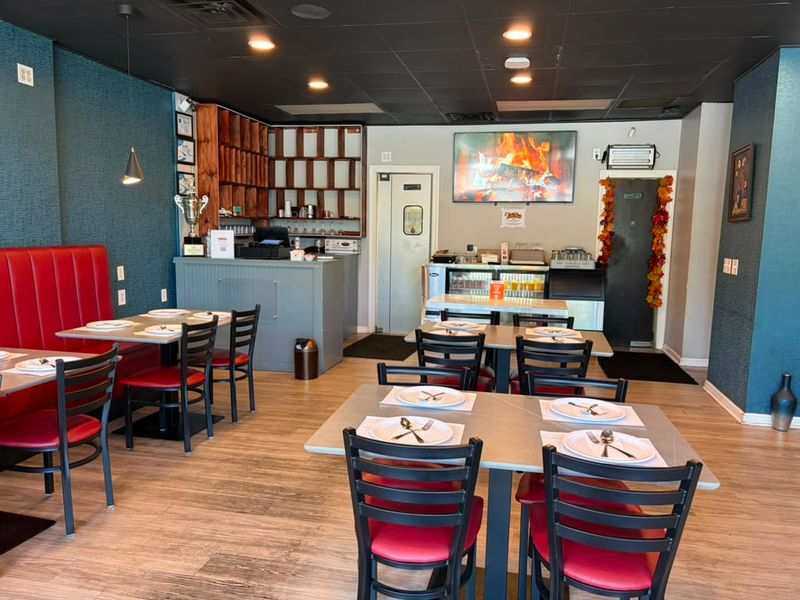
The smell of toasted cumin and simmering ghee drifts across parking lots here, and it is a fine way to plan lunch. Haveli Indian Cuisine, at 1125 Hatches Pond Lane, Suite 113, builds its menu around royal kitchen traditions, with rich curries and breads pulled hot from the tandoor oven.
Vegetarian cooking gets serious attention too. At BLR, Bangalore-inspired plates arrive as crisp dosa with coconut chutney and paneer tikka streaked with char from the grill.
Tadka Biryani and Tandoor leans into layered rice dishes and smoky skewers, spices ground fresh rather than scooped from a jar.
Shopping is half the fun. Bombay Central draws steady weekend crowds for its wide South Asian grocery aisles.
Find it at 10966 Chapel Hill Road, where a cafe serves street food favorites like chaat and hot samosas beside towering stacks of basmati rice.
Home cooks who want Chinese, Japanese, Korean, or Vietnamese ingredients can order from the online Asian market Weee!, which delivers to Morrisville doorsteps.
Between sit-down meals and pantry runs, eating well in Morrisville takes very little planning, and the hardest choice is usually dessert.
Cultural Festivals Bring Diwali, Lunar New Year, And Other Traditions Into Public Life
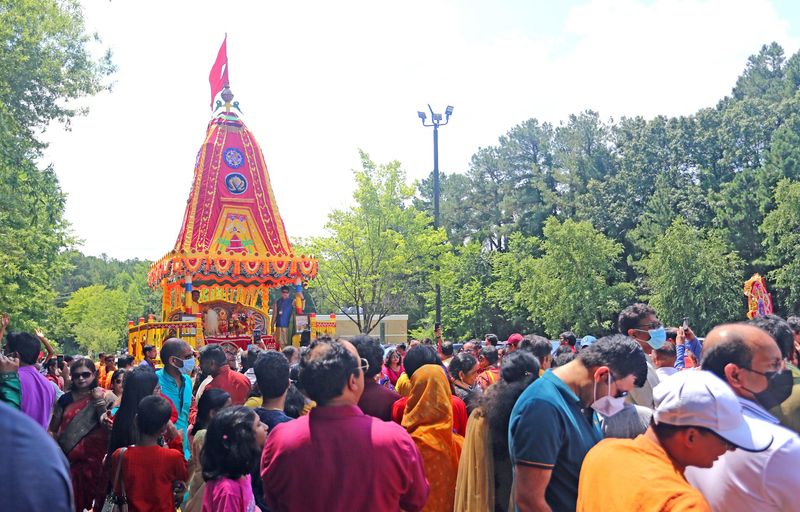
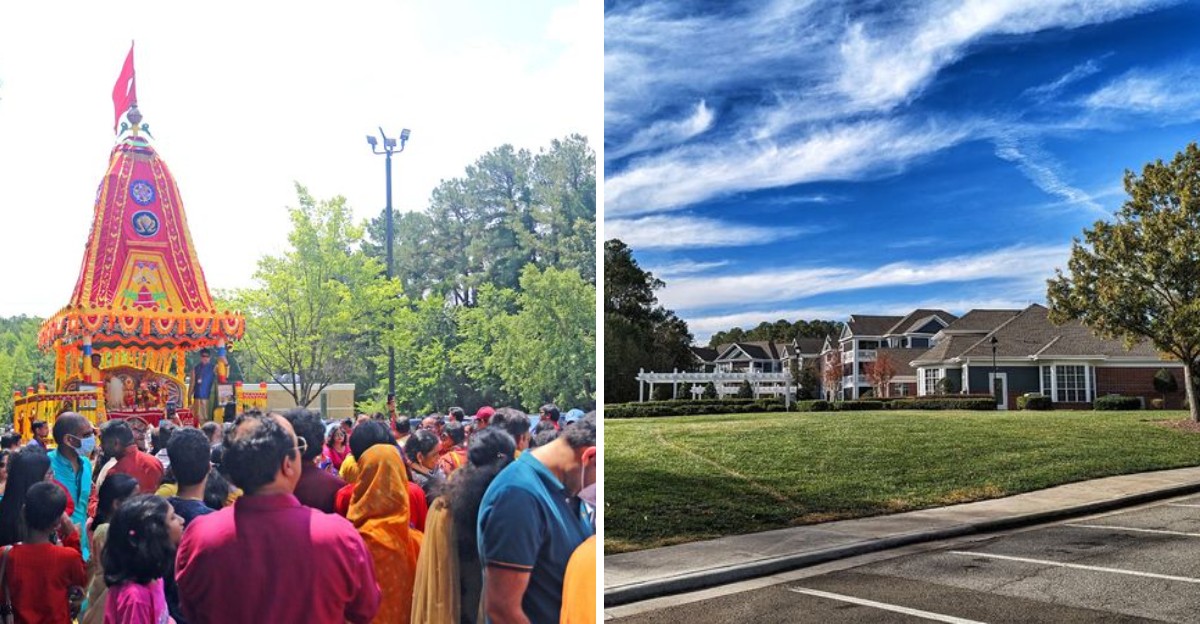
Autumn evenings glow a little brighter when the annual Diwali Festival takes over Morrisville. The festival includes cultural performances, diya and mandala activities, music, and food vendors.
Morrisville also hosts an International Festival, with music, dance, and food representing cultures from around the world. The event earned a City Cultural Diversity Award in 2017, recognition that says plenty about how seriously Morrisville treats shared celebration.
Town planners have also weighed adding a Lunar New Year event to the calendar.
Sports carry their own festival energy. Church Street Park holds the only regulation-size cricket ground in the Triangle, and league weekends fill the bleachers with folding chairs, thermoses of chai, and cheering that carries across the field on humid afternoons.
If you visit during a festival, arrive hungry and bring cash for the smaller vendors. Between the drumbeats, the sizzling snacks, and the crowd of neighbors greeting one another, Morrisville feels less like a suburb and more like a town-wide family gathering.
Research Triangle Park Has Helped Draw Highly Skilled Families From Around The World
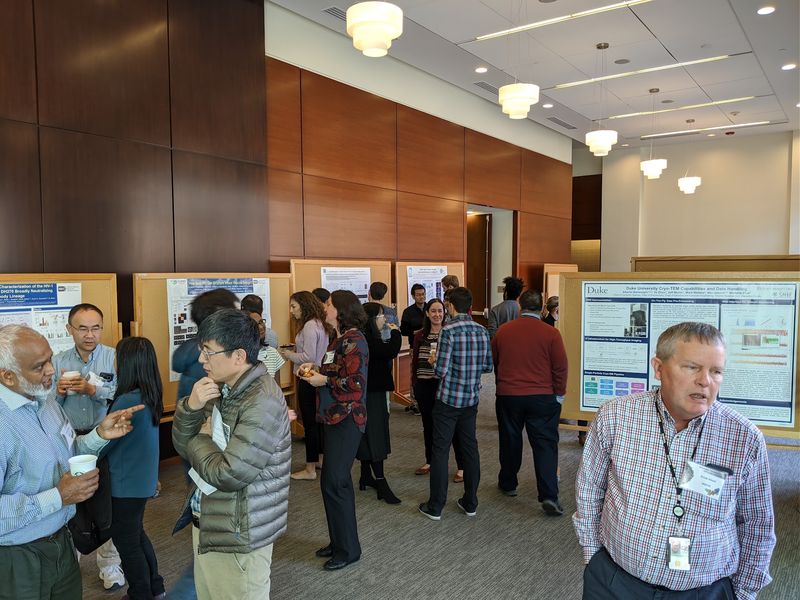
Jobs explain a great deal about how this town filled up. Research Triangle Park spreads out just beyond Morrisville, home to more than 385 companies and about 55,000 workers in technology, life sciences, and advanced manufacturing.
That concentration of research funding pulls talent from India, China, Korea, Japan, and dozens of other places, and many of those families settle a short drive away.
North Carolina benefits from the expertise, while Morrisville gains neighbors who bring recipes, holidays, and languages with them.
Commutes stay short, which matters when both parents work. Schools rank high, the greenways connect neighborhoods, and Raleigh-Durham International Airport sits close enough to make long flights to visit relatives manageable.
Lenovo keeps its operational headquarters inside town limits, another reminder of how tightly work and daily life overlap here.
For travelers, that professional backbone shows up in unexpected ways: modern shopping centers, well-kept parks, and restaurants confident enough to cook without softening flavors for outsiders. Ask a shop owner how long they have lived here and the answer is often a decade at most.
Morrisville grew up around ambition, and the payoff often lands on the dinner plate.
More Than 40 Percent Of Residents Speak A Language Other Than English At Home
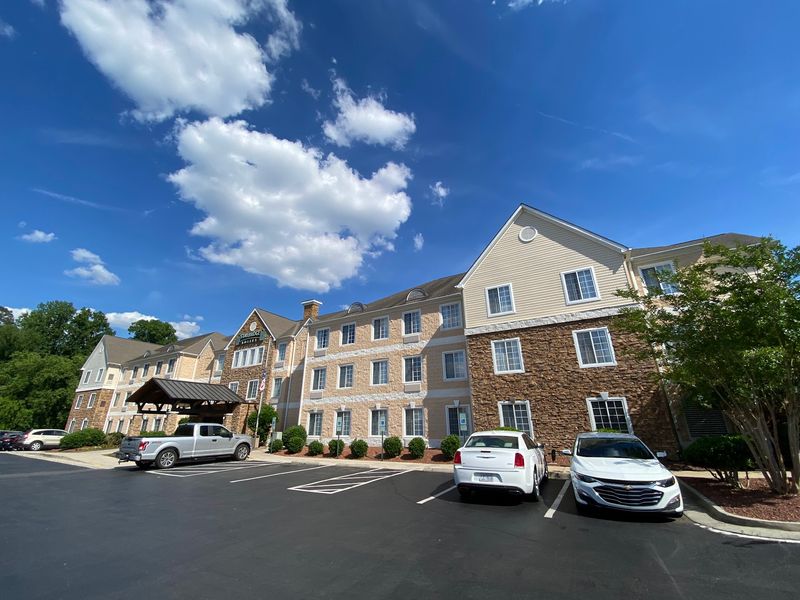
Listen at a playground and the soundtrack shifts every few steps. About 42.8 percent of Morrisville residents age five and older speak a language other than English at home, which is a striking figure for a town this size.
Hindi leads the list, a direct reflection of the large Indian American community, though Telugu, Tamil, Gujarati, Mandarin, Korean, and Vietnamese all move through daily conversation. Other Indo-European languages appear in significant numbers as well.
Practical results follow. Grocery clerks answer questions in two or three languages, restaurant staff explain regional dishes with real fluency, and bulletin boards at community buildings carry notices in more than one script.
Visitors sometimes worry about feeling out of place, but the opposite tends to happen. Shopkeepers in Morrisville are used to explaining ingredients, spice levels, and cooking methods to curious newcomers, and most seem happy to do it.
Bring a few questions, take notes on what you taste, and you will leave with a longer grocery list than planned. Language variety is not a barrier in Morrisville; it is part of the reason a simple errand can feel like travel.
Local Programs Have Expanded To Serve A Much More Multilingual Population
Good intentions become useful when they turn into policy. In February 2024 the Morrisville Town Council approved a Language Access Plan, a formal commitment to reaching residents in the languages they actually use at home.
The plan covers translated materials and interpretation help.
Hindi Vikas Mandal partnered with the town during the Language Access Collaborative that helped produce Morrisville’s Language Access Plan. Hindi receives particular focus because of the large Asian Indian population, and few towns in North Carolina have built this kind of structured outreach.
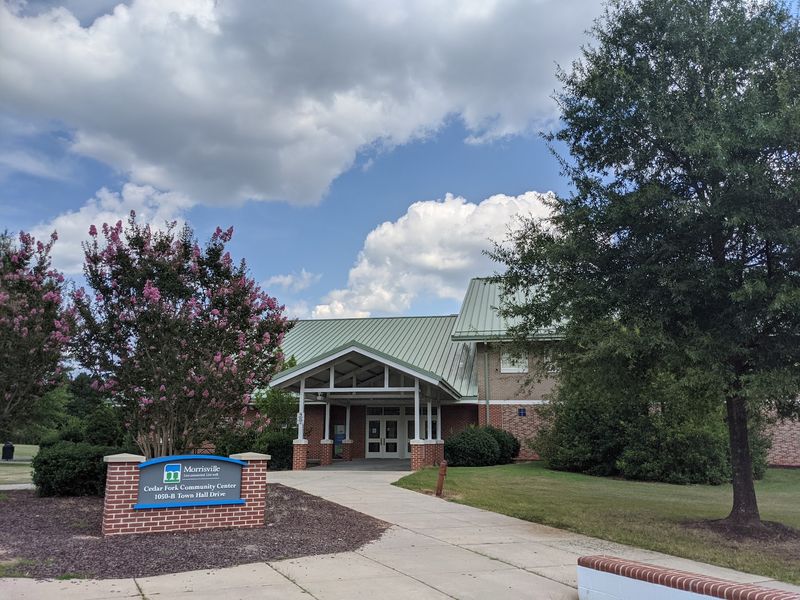
Adults learning English have a place to go as well. The Cedar Fork Community Center hosts free classes led by volunteers, and the sessions double as a social hour where neighbors trade recipes, school advice, and tips about the best weekend markets.
Travelers rarely think about municipal paperwork, yet these programs shape the friendly tone you notice while wandering Morrisville. Staff at the community center can point you toward upcoming cultural events, cricket matches, or cooking demonstrations.
Small details like translated flyers and welcoming front desks help explain why so many families put down roots in Morrisville and stay.
Rapid Growth Has Turned A Formerly Small Community Into One Of The Triangle’s Most Diverse Places
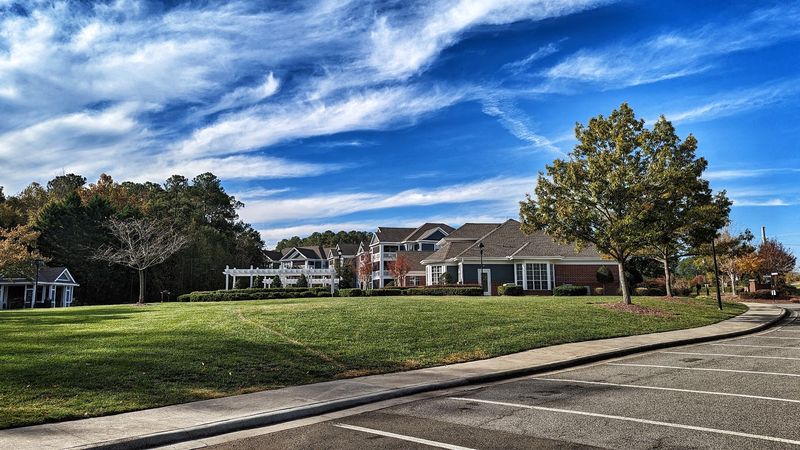
Rewind to the year 2000 and roughly 5,000 people lived here, with farmland and railroad history close at hand. Estimates now put Morrisville near 34,800 residents, a jump few towns experience in a single generation.
Growth that fast usually flattens character, but the opposite happened here. Instead, its identity sharpened.
Neighborhoods filled with families from many countries, and the racial and cultural variety climbed well past averages elsewhere in North Carolina.
Niche.com named Morrisville the number one best place to live in the state in 2020, and the recognition reflects a mix of strong schools, short commutes, and a community that keeps investing in shared spaces.
Parks, greenways, and gathering plazas arrived alongside the new population, not years later.
Spend an afternoon here and the story becomes visible: a cricket match on one side of town, a temple bell in another, and a plaza where a dosa griddle and a bubble tea counter sit twenty steps apart.
Morrisville shows what a small railroad stop can become when new arrivals are treated as neighbors rather than strangers, and the Triangle is more interesting because of it.